15 Things Most People in Their 20s Don’t Realize Will Matter at 40

Many people spend their 20s focused on the present, assuming they’ll have time to figure out everything later. But small choices made early in life have a way of showing up in your 40s, financially, physically, and emotionally.
This gallery breaks down 15 early-life decisions that can quietly shape (or derail) your future.
👉 Click or scroll through the gallery to see the long-term impact of what people often overlook in their 20s.
Table of Contents
Financial Stress in Your 20s Becomes a Bigger Problem Later

It’s easy to overlook stress in your 20s, but both financial and physical strain add up fast. In a recent Harvard report, more than half of young adults (56%) said money stress was already hurting their mental health.
Combine that with poor habits and no plan, and the pressure only grows as you hit your 30s and 40s.
👉 Click or Scroll to learn how smart choices in your 20s can spare you major stress later.
Neglecting Your Health in Your 20s Will Catch Up to You

Skipping sleep, eating junk, and ignoring exercise might seem harmless now, but your body will keep the score. Injuries take longer to heal, energy crashes hit harder, and chronic conditions don’t fix themselves.
What you do in your 20s builds, or breaks, the foundation for your health later. Invest in your health now, or pay the bill in your 40s.
Credit Card Debt Grows Fast and Follows You for Years

Carrying credit card balances might feel manageable, but interest charges pile up fast. The average APR is over 24%, and even a few thousand dollars can double in cost if left unpaid.
The Urban Institute found that 16% of young adults ages 18 to 24 already have debt in collections, showing how common this trap is. Start paying off debt now, your future self will thank you.
Start Investing Early or Spend Your 40s Playing Catch-Up

The time value of money is real: $100 invested at 25 can be worth far more than $100 invested at 35. Compound growth works best with time, and early investments have the power to multiply.
Waiting too long means you’ll need to save more and work longer just to reach the same result. Start small, but start now, it adds up.
Skipping 401(k) Contributions Costs You Big Later

Many young workers skip contributing to their 401(k), missing out on free employer match and years of tax-deferred growth. CNBC found that 4 in 10 workers don’t contribute at all, a costly mistake.
Even small contributions made early can grow into large retirement accounts over time. The earlier you start, the less you have to save later to reach the same goal.
Building Wealth in Your 20s Makes Life Easier in Your 40s

Working and investing in your 20s gives you options in your 40s: retiring early, enjoying more freedom, or simply having less financial stress. Stocks, real estate, or side hustles started now can snowball into serious assets over time.
Wealth built early becomes time bought later. Don’t waste your highest energy years, you’ll want the payoff when you’re older.
If you enjoy galleries like this, consider following DadisFIRE on Medium to see more.
A 15-Year Mortgage Can Set You Free by 40

Buying a home with a 15-year mortgage means owning it outright faster and paying far less in interest. While the payments are higher, you build equity quickly and gain real financial freedom.
By your 40s, you could be mortgage-free, just when many people are still stuck paying off 30-year loans. Early ownership gives you stability and options.
Lack of Financial Planning Now Leads to Regret Later

Flying blind with your money might work short-term, but poor planning always catches up. Without goals, budgets, or emergency savings, you’re more likely to face stress, debt, and missed opportunities.
Many people hit their 40s wishing they’d started earlier, and smarter. Take control of your money now, or it will control you later.
Debt Payments Now Could Be Investments Instead

Every dollar spent on interest is a dollar you can’t invest. Instead of growing your wealth, you’re growing your lender’s profits, and that adds up.
Paying off debt early frees up cash to build assets and take advantage of compounding. Make your money work for you, not against you.
Bad Credit in Your 20s Limits Your Future Choices

Your credit score affects more than just loan approvals, it impacts your interest rates, insurance premiums, and even job offers. Bad credit is easy to get and hard to fix, especially if you start late.
Missed payments, high balances, and defaulted accounts can haunt your finances for years. Build credit early and protect it, it’s one of the most valuable tools you have.
Reading in Your 20s Pays Off for Decades
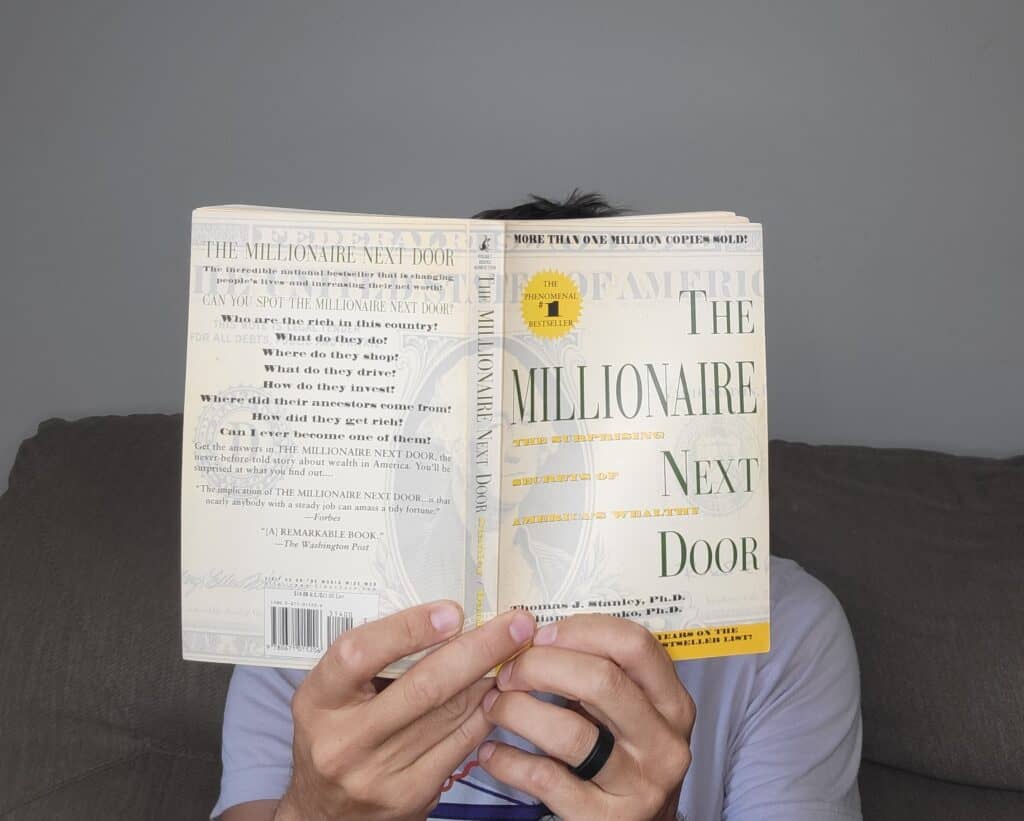
Knowledge compounds like money, the more you read now, the more valuable you become over time. Books, articles, and even audiobooks can give you skills, ideas, and insights that pay real dividends.
People who read consistently often earn more and adapt better to change. Stack knowledge early and let it work for you in the background.
Job Hunting Gets Harder When You’re Older With More Bills

In your 20s, job loss is frustrating but manageable, companies expect inexperience and offer flexibility. In your 40s, it’s a different game: higher stakes, more competition, and fewer “entry-level” chances.
Layoffs can hit harder when you’ve got a mortgage and family depending on your paycheck. Build skills, connections, and backup plans while you still have options.
The Real Reasons Companies Now Avoid Hiring People Over 50
Stay Flexible or Pay the Price Physically and Mentally

Physical flexibility fades fast after your 20s unless you work to keep it. Mobility problems, chronic pain, and rigid thinking all make life harder as you get older.
Stay active, stay curious, and stay adaptable, those daily habits make aging easier and living well possible. Flexibility is freedom, and the effort you put in now pays off for decades.
Trying to Impress People Will Drain Your Wallet

Buying things to impress others is a losing game, someone always has more, and it never ends. Flashy cars, clothes, and vacations feel good in the moment but leave you broke later.
The sooner you stop caring what people think, the sooner you can keep more of your money. Real wealth is quiet, and sustainable.
If you enjoy galleries like this, consider following DadisFIRE on Medium to see more.
Bad Eating and Drinking Habits Add Up Over Time

Late-night fast food, weekend binges, and skipped meals take a toll over years. What seems fine in your 20s often leads to fatigue, weight gain, and serious health problems in your 40s.
The CDC reports that over 40% of adults over 40 are obese, habits start early. Eat smart now so you’re not paying medical bills later.
Your Choice of Spouse Has Long-Term Financial Impact

Who you marry can help you build wealth, or destroy it. A supportive partner shares goals, handles money well, and works with you, not against you.
Divorce is expensive, emotionally and financially, and bad relationships drain your time and resources. Choose wisely, it’s one of the biggest financial decisions you’ll ever make.
What You Build in Your 20s Is What You Live With Later

Time is your greatest asset, but only if you use it. Every decision in your 20s builds toward something, and by your 40s, you’ll be living with the results.
Start making smart moves now and let time do the heavy lifting. The future is coming either way, set yourself up to enjoy it.
If you like what you just read be sure to follow DadisFIRE on Medium