How I Bought A Lot Of Houses Despite Making Less Than $50k

I often get asked how I was able to buy so many houses with such low income.
I bought my first house in my early 20s while unemployed. Since then, I’ve purchased over a dozen more with a total of $800 out of pocket. Total. For all but one of those purchases, my salary was under $50,000 a year.
I used what I had. I didn’t wait until I had everything figured out. I started anyway and kept going.
This article explains how I funded my real estate. Most of the strategies aren’t for everyone. But becoming a millionaire isn’t for everyone.
I’ll share what I actually did, what worked, and what you can apply.
Table of Contents
How I Bought My First Property (And Turned It Into a Rental)
My first house was not my primary residence right away. I bought it while I was still living in an apartment. I had just moved back from college (I graduated at 20).
I had been researching real estate for years now. I used to physically go to the library and read anything I could. I would also stalk for sale and for rent listings. I read whatever I could on real estate and I asked real estate investors an annoying amount of questions. But I hadn’t bought a house yet.
So at 21, I walked into a real estate agency a couple miles from my apartment and said, “I want to buy a house.” They laughed at me. They did not take me seriously.
I dressed like I just woke up and I looked 18. They asked if I had a pre-qualification letter. I had no idea what that meant. I told them I wasn’t pre-qualified, but I was very serious.
Elmer Was Stuck With Me
They went and got Elmer from the back. Elmer was an old man. When he came around the counter and saw me, his shoulders dropped. He sized me up immediately as a waste of his time. I assured him I was making an offer that day.
I told him what I was looking to buy. I explained to him how much research I had already done and I was ready. I told him the area that I was an expert on and what I wanted.
We narrowed it down to about half a dozen houses on his computer. He agreed to drive me around. As we looked at each property, I explained how (not what) I thought about it.
Everything has value to me. Everything. I would walk through each house and assign a value to it before looking at the list price. Then we would compare that number to the listing price and make offers. It took the emotion out of it.
I Bought A House That Day
I ended up having an accepted offer on my second choice. We bought it under list price, and the seller paid towards closing costs. The sellers were building a new house, so they rented the home from me while waiting to move. Their rent was higher than my mortgage payment.
My out of pocket was $800. I owned my first rental house.
I stayed in my apartment until my lease was up. Then I moved into the house. I lived there for about 16 years.
I was also adamant about maxing out my 401k. That meant I didn’t have a lot left over. So I had roommates.
That made the numbers work. This was just the first step.
Related: How I Used Real Estate to Retire at 42 (And Believe It Still Works)
An Unexpected Wrinkle
I was actually laid off right before closing on that first house. In my exit interview with HR, I negotiated for them to pay me a few extra months so they could honestly answer any verification of employment that I am still on the payroll. She agreed to verbally do that but not answer any other questions.
Why was I willing to do this? Because I had several thousand in the bank from all my side hustles since I was a little kid. But even more then that was because the seller of the house was renting it back from me.
Before I bought the house, I also established The McDonalds Principle. That was my idea that at the stage of life I was in I should only buy a house that I could afford if I had to get a job at McDonalds (and take on roommates).
Scaling Was Easy at First… Then It Got Hard
The first few mortgages were easy to get. I had an 800 credit score. Lenders liked that.
For the first few I qualified as a first time home buyer, and then just “changed my mind” and decided not to sell the other houses.
After 2 houses, that got harder to explain.
I was in my early 20s and trying to scale up my rental house business. I didn’t have much income. I was making about $25k a year.
But I had several houses already.
That didn’t matter as much as you would think.
Lenders care about income.
I went from lender to lender. I kept getting shut down. I did so much door knocking, but I refused to give up. I knew I just needed one person that saw me for the legit person I was.
The Banker Who Changed Everything
Eventually, I met with the head of a community bank. He sat down with me, listened to my story, and started to like me.
Then he said, “I am not in the business of losing my client’s money. We are a conservative bank”
I said, “It’s my moral responsibility to pay back what I borrow, early. I won’t lose your clients money, and I will do whatever I can to make sure that doesn’t happen.”
He then told me the terms of the blank check line of credit he was giving me.
He personally underwrote my mortgages. He personally defended me to his board every quarter.
But he had risk mitigation levers. We agreed that he could call all my mortgages (aka they become due) within 30 days if any of my mortgages were late. I also had to provide financial statements and meet with him at least annually. My rates were also higher than market.
He also required 15% down. I’ll expand on that in the next section.
Him believing in me changed everything. But I had earned it.
There is an important takeaway here. Relationships matter.
This man changed my life. He trusted me. He took a risk in front of his board. He gave me a chance. I already had several homes at that point, but he let me scale.
Every house I bought, besides our primary residence, was before I was making $50k a year.
How I Used No Money Down Strategies to Get Started
I didn’t wait until I had a big down payment. If I did, I probably would not have started.
There are a lot of ways to buy real estate without putting much money down. I used several of them.
(No money down strategies are admittedly no money out of pocket strategies, but I knew about them from going to the library and reading about Carleton Sheets No Money Down so I incorrectly refer to them as no money down to pay hommage to Carleton Sheets)
One of the main ways was simple.
Seller contributes down payment. I have often negotiated with the seller to pay my down payment and closing costs.
Another way I used was credit cards.
I have used 0% introductory credit card offers for a down payment. I have done this many times. But be careful, you need to pay the debt back.
This is not risk free. You need to know what you are doing.
There are other ways as well. I have written about them in detail here: How I Bought Homes With Little or No Money Down (And How You Can Do It Too).
In that post, I share different strategies that can help you get started without waiting years to save up.
Why the 20% Down Payment Rule Is Misleading
Did you know a 20% down payment isn’t to protect you? It’s to protect the lender.
The lender wants to recoup its costs if you foreclose. That’s it.
I know this because the head of the bank told me. A year later I was a mortgage broker and I also bought several houses out of foreclosure. 20% is the magic number where they recoup their losses.
So why wait to buy until you have 20%? Unless your goal is to protect the lender.
Most people think 20% down is “smart.” It’s just common advice. That doesn’t make it right.
While you’re saving, prices are going up. You miss appreciation. The house gets more expensive.
You also lose time. Time matters more than the down payment.
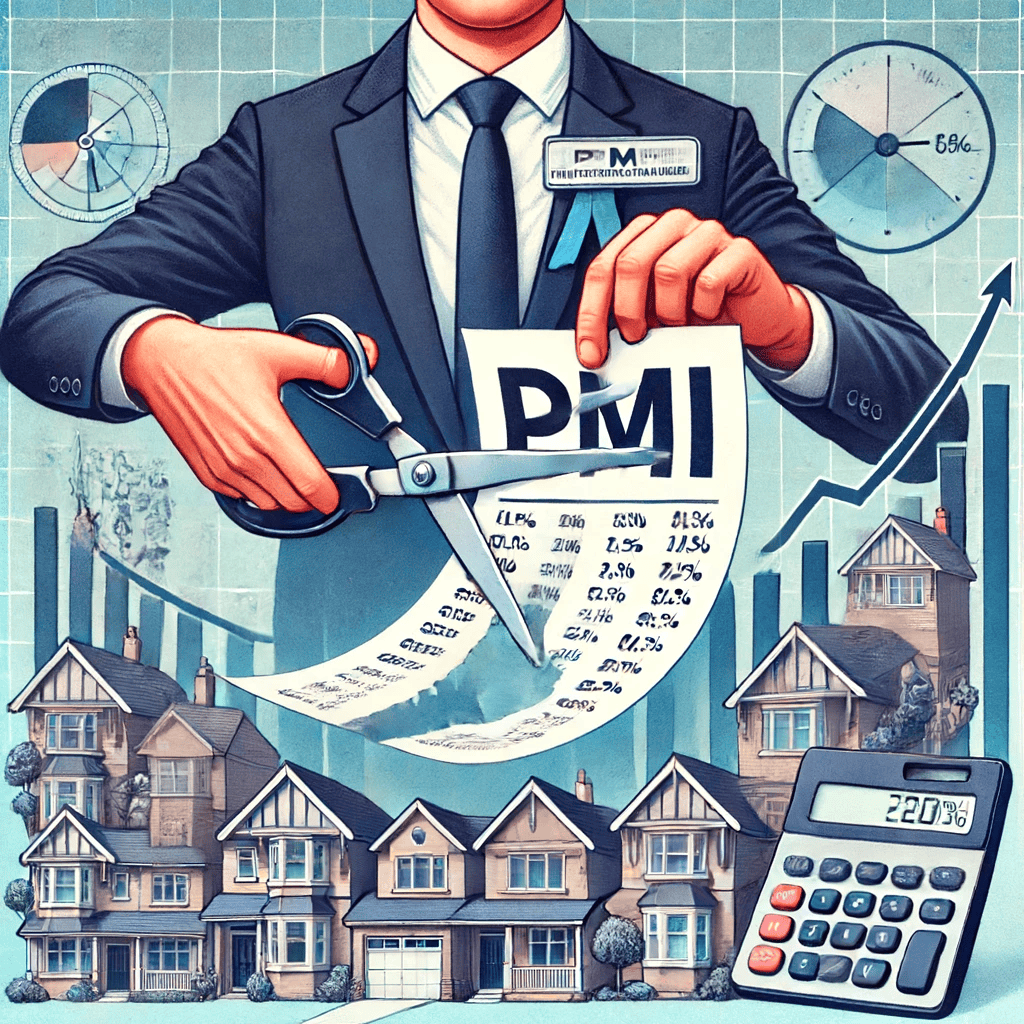
Early in your career, it is considerably smarter to have money in the bank than to pay a down payment. If you run into financial strains, like losing your job, that down payment won’t save you. Money in the bank will. So just suck it up and pay the PMI. PMI isn’t scary. Plus with the strategies I did, I didn’t even need to pay PMI most of the time.
My Strategy Was NOT BRRRR
Someone told me I did the BRRRR method of real estate.
No I didn’t. It’s a fine strategy, but it’s not what I did.
I bought houses, usually move-in ready. I let tenants pay them off. Then I sold them.
I did refinance, but it was always to shorter terms. I paid off all my mortgages early.
I never did a cash out refinance.
The goal was to pay off a lot of debt fast. Not keep taking out more debt.
There’s nothing wrong with BRRRR. That just wasn’t my approach.
Related Video: When Is The Best Time To Buy A House (I’ll Tell You)
How I Used Discount Points Instead of a Down Payment
On the house we live in, I used discount points instead of putting more money toward the down payment.
A mortgage discount point is simply paying 1% of the loan amount for a lower interest rate. You are giving the lender money upfront to reduce the rate on a much larger loan.
Most people don’t like points. They don’t understand them. They think they are a bad deal.
They are not.
In the last house we bought, we even paid more towards points instead of a down payment. The PMI went away quickly (less than 2 years). The owner of the mortgage company said it was the best mortgage he had ever seen.
PMI is not permanent. It goes away. And when you buy down your rate, you pay more toward principal each month. That builds equity faster and helps remove PMI sooner.
After PMI is gone, you still keep the benefit of the lower interest rate.
If you want a full breakdown of how discount points work and when they make sense, I wrote about it here: Paying Mortgage Discount Points: A Powerful And Misunderstood Option
Real Estate Lessons That Made the Difference
Most people overcomplicate real estate. They wait too long. They follow advice that doesn’t apply to them. Here’s what actually mattered for me:
- You don’t need a high income to start: I started making around $25k a year. Income helps, but it’s not the starting point.
- You don’t need 20% down: That number protects the lender, not you. Waiting for it can cost you time and appreciation.
- There are ways to buy with little to no money down: Seller concessions, credit strategies, and creative financing can get you in the market earlier.
- Relationships matter more than formulas: The right lender can change everything. Not every deal is based on a spreadsheet.
- Focus on paying down debt: The goal was not to keep borrowing. It was to eliminate debt and build equity over time.
- Buy a house you can afford: Lately people seem to think a 2500 SQ foot house in a desirable area is a starter house. That’s ridiculous. Buy a house you can afford even if you lose your job. Worry about the next house when it’s time to, but not for your first house. Your first house’s purpose to get you to build equity, learn how to maintain a house, and give yourself time to grow as a person and in your career.
Getting started matters more than getting it perfect.
Related: 19 Ways to Make Money in Real Estate Without Owning Property
What This Means Beyond Real Estate
The same idea applies outside of real estate. In business and in life, most people wait too long. They wait for the right time, the right amount of money, or the perfect plan. That moment rarely comes.
Progress comes from starting, adjusting, and continuing.
One of the biggest things that changed everything for me was relationships. That banker didn’t have to take a chance on me. He did because he trusted me. I followed through.
Trust compounds over time, just like money does. If people believe in you, doors open.
What I Learned Building My Real Estate Portfolio
This is how I funded my real estate. I didn’t start with a high income. I didn’t wait for a big down payment. I used what I had and made it work.
It didn’t always go smoothly. But I kept going. I figured things out along the way.
Real estate was just the vehicle. Business works the same way. Life works the same way.
The goal is the same. Build something that gives you control over your time.
🙋♂️ If you like what you just read, subscribe to the DadisFIRE newsletter and follow DadisFIRE on YouTube. 💪