How I Bought Homes With Little or No Money Down (And How You Can Do It Too)
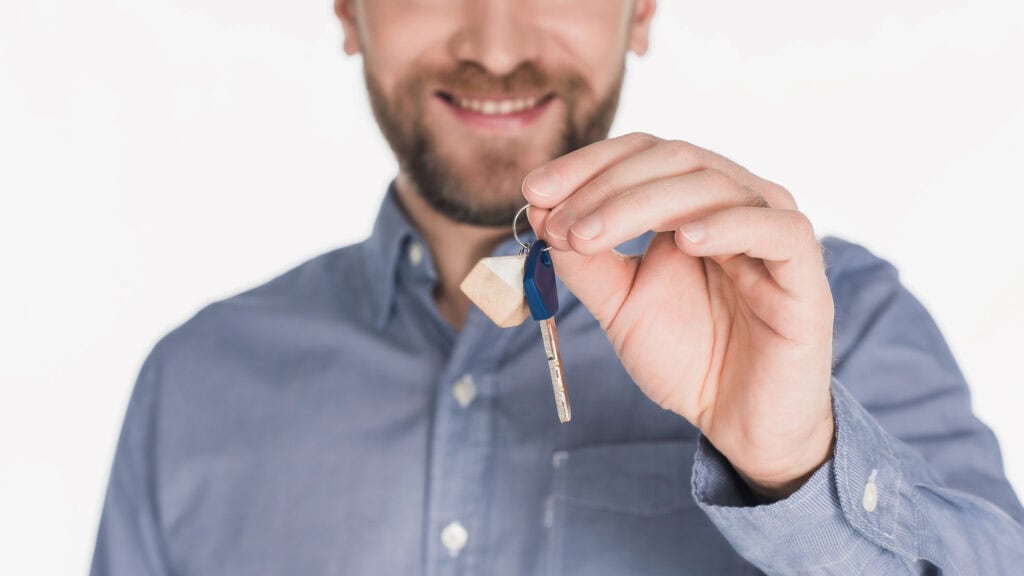
Buying a house can be intimidating, especially if you need more money to make a down payment. But it doesn’t need to be that way.
I bought my first house at 21 while unemployed, and I’ve since purchased over a dozen more with under $1,000 out of pocket. For all but one of my home purchases, my salary was under $50,000 a year.
Here are the real strategies that worked for me, and can still work today, if you know how to use them. I also explain why lenders require a down payment and why I am not worried about PMI.
I have personally done several of these. I was able to become a liquid millionaire at 38 and retire at 42 with these strategies for buying a house with no money down.
Table of Contents
A Quick Disclaimer About No Money Down Strategies

Not all strategies are right for every situation. Do your homework and check legal and financial implications before using any of these.
Several of these have worked for me, but it does not mean they will work for you. They all assume more risk than a larger down payment.
Why Do Lenders Require A Down Payment?

The down payment reduces the risk to the lender because it shows them that you can afford to buy the house. More importantly, if you were to foreclose, the lender could recoup more of their losses because there is more equity in the house.
For example. Let’s say you put $20,000 down on a $100,000 house. Then you make zero payments and foreclose on the house.
The lender can now sell the house for $100,000 and will only be out the $80,000 they lent you. (My example isn’t completely true. There will be legal fees, repairs, etc, but you get the idea).
This is important! A 20% down payment is not to protect you! It is to protect the lender!
Related: Unpopular Opinion: 10 Reasons Why An Expert Says Housing Is Actually Affordable
A Quick Note On Private Mortgage Insurance

A significant benefit of many of these no or low-money-down strategies is the minimization of private mortgage insurance.
Private Mortgage Insurance (PMI) is an insurance policy that protects lenders from financial losses if a borrower defaults on their mortgage.
It is usually required when homebuyers make a down payment of less than 20% of the property’s purchase price or have a loan-to-value (LTV) ratio higher than 80%.
PMI is calculated based on credit score, down payment amount, and the LTV ratio. Homeowners can expect to pay up to 1% of the loan amount per year for PMI coverage.
But PMI will not apply to most of the strategies I am about to coach you through.
🙋♂️If this is interesting so far, follow DadisFIRE on Medium, then hit like to see more articles on financial freedom, personal finance, and smart money moves.💪
Private Mortgage Insurance Is Not A Bad Thing

I am a firm believer that PMI is not a bad thing if you structure your mortgage smartly. The less you put down, the higher your PMI. But that PMI goes away after a few years.
Ask your lender to calculate the breakeven date for your PMI to be paid off. Also ask them to calculate the total amount you will pay in PMI at different down payment amounts.
Use those numbers to help you decide the amount to put down.
Know that different lenders charge different PMI premiums. If your lender can’t do these calculations for you, find a different lender.
Now, let’s get into how to buy a home with no money down.
Related: How To Get Rid Of PMI: I’ve Done It Many Times
Exploring Government Programs such as FHA Loans and USDA Rural Development Loans

Government Programs such as FHA Loans and USDA Rural Development Loans can help you buy a house without needing much money.
These programs will reduce the amount of money you need to put down as a down payment.
- FHA loans are backed by the Federal Housing Administration and offer low down payment options for various buyers. These loans typically require a down payment of 3.5% of the purchase price.
- USDA Rural Development Loans are designed to help people who live in rural areas buy a house without needing to put money down. These loans are backed by the United States Department of Agriculture and typically require no down payment.
Related: Read These Insider Tips Before Buying Your Next House
Buying a House With No Money Down: Getting Assistance from Family Members

Some buyers turn to family for help with a down payment or to co-sign a mortgage. It can make the difference between renting and owning. But lenders often require gift letters or strict documentation, so talk to your lender before moving forward.
The pros of getting assistance from family members include the following:
- Having the extra money to make a downpayment
- Getting help with making your monthly payments
- Being able to qualify for a loan even if you don’t have enough money to cover the entire cost of the house.
The Hidden Costs of Borrowing From Family

The cons of getting assistance from family members when buying a house include the following:
- Damaging your relationship with your family
- Having to manage the repayment of the money borrowed
- Not having as much control over where and how you use the money
- Potentially increasing your monthly payments if the loan is co-signed.
Out of all of the strategies I have used to buy a home, this is not one of them. I am strongly against this option, but some families can navigate the challenges.
Just be careful, sometimes guilt is more costly than interest.
Related: 14 Affordable Ways To Make Your Home Look More Expensive
Taking Advantage of Seller Financing Options

Seller financing can be a great way to buy a house without needing to put a lot of money down. Through seller financing, you can buy the house and make payments directly to the seller instead of going through a bank or other lender.
The pros of taking advantage of seller financing when buying a house include the following:
- A lower down payment requirement than conventional loans
- Flexible repayment terms that are tailored to your needs.
The cons of taking advantage of seller financing when buying a house include the following:
- Higher interest rates than conventional loans
- Risk of defaulting on the loan if you are unable to make payments
- Uncertainty around your ability to refinance the loan in the future.
- It isn’t easy to find sellers who are willing to offer to finance
- Seller-financed mortgages can become complex
My grandfather offered buyers financing on some of his real estate. When I was a little kid, he and I always talked about real estate. He had one tenant that was perpetually late.
Grandpa explained to me how he should foreclose on it, but he was financially able to absorb the late payments. He taught me how important it is to know when to foreclose and know when to give people a chance. I was under ten years old.
Related: How To Pay Off A Mortgage Early (I’ve Done It Many Times)
Seller contributes down payment

It’s generally understood that sellers can contribute towards closing costs. Few people know that sellers can also contribute toward the down payment. The seller paying the down payment is an excellent option for buyers who need more money to put down.
This strategy can be negotiated as part of the deal, and you should talk to your real estate agent or lawyer about it.
I have often negotiated with the seller to pay my downpayment and closing costs.
We even negotiated that the seller buys down our interest rate for our primary residence by having them pay points. Our mortgage rate was 2.3%, with very little out of our pocket when market rates were considerably higher.
The interest rate on our savings account was higher than our mortgage when we took out the mortgage. This was possible because I knew it was possible. Now you know it is possible too.
Related: Best Mortgage Term for Investment Property
Forgivable Municipality Down Payment Assistance Programs

Municipality down payment assistance programs are a great option for purchasing a house without breaking the bank. These programs provide funds from the municipality to cover the downpayment cost, so you don’t have to worry about having enough money saved up to put toward the purchase.
For example, City x offers $5,000 down payment assistance for owner-occupied homes. As long as the buyer lives in it for y number of years, the loan is forgiven.
The pros of taking advantage of municipality down payment assistance programs include the following:
- It is easy access to free money for a down payment
The cons of taking advantage of municipality down payment assistance programs include the following:
- Limited availability in certain areas
- There is usually a time period before the loan is forgiven
- Your municipality generally requires income verification to qualify. Many people do not want the government to know their income.
- The lender needs to understand how to work with the program
Related: I Retired at 42: Here’s Why I Love Investing In Real Estate (Even In Today’s Market)
Buying a Home With a Phantom Down Payment

A phantom downpayment is when some mix of the seller, appraiser, and bank agree to value the home more than it is worth.
For example, the buyer and seller agree to a sales price of $120,000 for a home worth $110,000. The lender only lends $110,000. Then on paper, there is instant $10,000 equity.
The pros of buying a home with a phantom downpayment include the following:
- No money down
The cons of buying a home with a phantom downpayment include the following:
- There is an increased risk of defaulting on the loan due to a lack of actual equity
- There could be legal problems if the buyer and seller are found to have breached regulations or committed fraud
A friend of mine did this as a seller in 2007. He held the second mortgage on a home he sold, but it was fake equity. Then the house lost half its value in 2008. The buyer foreclosed on their mortgage, and Joe was left with nothing. His risky move was realized.
🙋♂️If you like what you are reading so far, subscribe to the DadisFIRE newsletter and follow DadisFIRE on YouTube.💪
Using 0%, Introductory Offers From Credit Card For Down Payment

Some credit cards offer introductory 0% APR periods, where you can take out a loan with no interest for a specific time. You can use this to your advantage and borrow money against the card to make your down payment on a home.
The pros of using 0% introductory offers from credit card companies include the following:
- Having access to a loan with no interest for a specific time.
The cons of using 0% introductory offers from credit card companies include the following:
- Higher interest rates after the promotional period ends
- Have to pay back much more than you borrowed if you pay it back after the promotional period ends. You may damage your credit score if you cannot make payments on time.
- There is usually an introductory fee. Often 3%. The fee comes out of the amount you borrow and not out of your pocket. But it does add to the amount you owe.
I have done this many times. But be careful, you need to pay the debt back!
Related: 25 Hidden Credit Card Benefits Banks Won’t Tell You About
Buying a House With No Money Down: An 80/20 Mortgage

An 80/20 mortgage is when two loans are used to finance a home, one loan for 80% of the purchase price and another loan for the remaining 20%. This type of financing can be beneficial if you need more money saved up to put down or if you don’t qualify for other types of funding.
The pros of an 80/20 mortgage include the following:
- Lower down payment requirement than conventional loans
- No private mortgage insurance is required.
The cons of an 80/20 mortgage include the following:
- Higher interest rates than conventional loans
- Greater risk of defaulting on the loan if you can’t keep up with the payments
- The second loan can be difficult to refinance in the future.
Related Video: When Is The Best Time To Buy A House (I’ll Tell You)
How Can I Buy a House With No Money Down: Use Personal Loans For Down Payment

Personal loans can be a great way to finance your down payment. This type of loan is unsecured, meaning you won’t have to put up any collateral to get it. Personal loans typically come with competitive interest rates and terms.
The pros of using personal loans for a down payment include the following:
- Lowering the cost of your downpayment
The cons of using personal loans for a down payment include the following:
- Having to pay back more than you borrow due to interest and fees
- There may be a credit check required to qualify for the loan
- You may damage your credit score if you cannot make timely payments.
- There may be a loan origination fee that needs to be paid upfront.
Related: How To Pay Off Your Mortgage: I Have Paid Off A Mortgage Early Several Times
Rent To Own Homes

Rent-to-own homes allow potential buyers to rent a house with the option of buying it at the end of their lease. This strategy can be beneficial if you are looking to buy a home without having enough money saved up for a down payment.
The pros of rent-to-own homes include the following:
- Lowering the cost of your downpayment
- Having a longer period to save up for the purchase price
- Being able to move into the home right away.
The cons of rent-to-own homes include the following:
- Higher rental payments than traditional rentals due to extra fees that go toward the eventual purchase
- The option fee can be high and is usually non-refundable
- You may be responsible for any repairs to the home that are needed during your lease
- It can be challenging to qualify for a mortgage if you have a poor credit history.
In general, I am against rent to owns and lease-to-own arrangements.
Early in my real estate investing career, a landlord explained how rent-to-own leases are great for taking advantage of tenants.
He explained that as the landlord/lender you make the contract in a way that increases the likelihood of getting your home back while realizing higher rents. That didn’t sit well with me.
Video: Buy a House with No Money Down? Here’s How I Did It!
A Word Of Caution

Only buy a home you can afford! Sure it’s great to buy a home with no money down or little out of pocket, but make sure it is something you can afford when things break, or you lose your job.
Down payments exist for a reason. They exist to lower the risk to the lender. Only buy what you can afford, or these strategies will work against you.
So can you buy a house with no money down? Yes.
Buying a house with no money is easy, now that you know how.
🙋♂️If you like what you just read, subscribe to the DadisFIRE newsletter and follow DadisFIRE on YouTube. 💪 Also be sure to follow DadisFIRE on Medium💰