13 Retirement Expenses Most Early Retirees Forget to Budget For

Retiring early isn’t just about saving more, it’s about planning for the retirement expenses most people forget. Many think they’ve nailed the numbers, but it’s the overlooked costs that break the plan.
And once you’re out of the workforce, fixing those mistakes gets a lot harder.
In this gallery, we break down the early retirement costs that don’t show up in budget calculators, but hit your wallet anyway.
Table of Contents
Health Insurance Costs Before Medicare

Health insurance hits hard once you’re on your own. Without employer coverage, you’ll be buying your own plan. ACA plans can be inconsistent depending on your income and where you live, and the coverage isn’t always comprehensive.
How Early Retirees Can Get Affordable Health Insurance Without a Job
Inflation Slowly Destroys Fixed Budgets

Early retirement means stretching savings over 30 or 40 years, and inflation quietly eats away at that money every single year. Even if prices only go up a few percent, the compounding effect over decades is brutal.
Retirees who planned for a flat annual spend often find themselves slowly downgrading their lifestyle, same grocery trips, higher bills, smaller bags. If your withdrawal strategy doesn’t grow with costs, you’ll be scaling back faster than you planned.
The silver lining is that portfolios and real estate value also tend to grow with inflation.
How to Retire Early During High Inflation (Like I Did)
Long-Term Care Expenses Few People Budget For

Long-term care is one of the biggest blind spots in early retirement. More than 11 million Americans already need ongoing care due to chronic conditions, and those costs aren’t covered by standard health insurance.
If you ever need in-home care, assisted living, or nursing home support, the bills will show up fast, and they won’t stop. Many retirees assume they’ll just stay healthy and independent, but aging has its own plans.
We also made this related Video: The Negative Side of Early Retirement: 18 Hard Truths No One Talks About
Rising College Tuition and Family Support

Think you’re done helping the kids once they graduate? Think again. College costs keep climbing, rising at a 7% annual rate, according to the Education Data Initiative, and that’s just tuition.
Even after graduation, many adult children lean on their parents for help with rent, transportation, or job gaps. Retirees who didn’t build “kid support” into their plan often find themselves tapping into savings just to keep things afloat.
Retirement Travel Can Burn Through Savings

Freedom means free time, and for many early retirees, that means travel. But those dream trips come with serious price tags. It’s easy to blow through a five-year travel budget in two, especially if you didn’t plan for inflation or exchange rate shifts.
The biggest trap? Thinking the spending slows down after the first year. Many people keep the momentum going, trips, gear, upgrades, and realize too late their runway is shrinking fast.
Retirement Shock: 22 Expenses Some Boomers Might Struggle to Afford Soon
401(k) Hardship Withdrawals Add Hidden Penalties
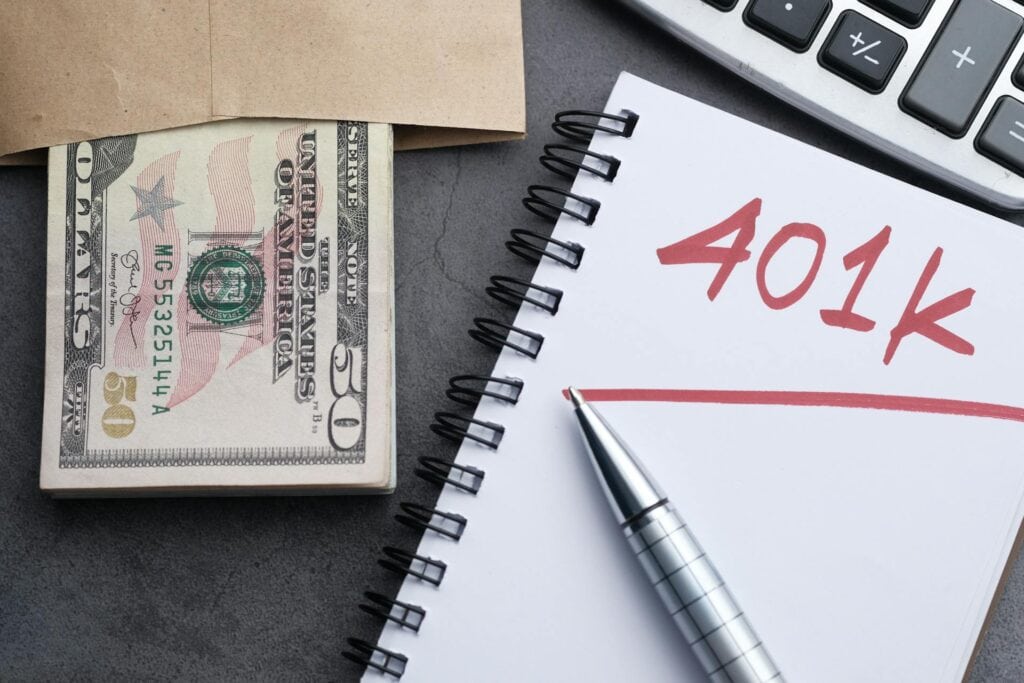
Last year, 4.8% of 401(k) account holders took hardship withdrawals, mostly for things like medical bills or mortgage payments, according to Vanguard. The problem? Pulling from retirement accounts early often means penalties, taxes, and years of lost compounding.
Once you start dipping into long-term funds for short-term needs, it’s hard to stop. Many retirees find out too late that their early access strategy actually cost them tens of thousands more over time.
Social Security May Pay Less Than You Expect

Early retirees often forget how their work history affects Social Security. Fewer years of earnings means lower average income, and a smaller benefit. Delaying your claim might increase your payout, but that also means more years living without the check.
Many early retirees plan to bridge the gap, but when the numbers hit, the payouts are often smaller than expected. Social Security helps, but it’s not a full backstop, especially if you left the workforce early.
🙋♂️If you like what you are reading so far, subscribe to the DadisFIRE newsletter and follow DadisFIRE on YouTube.💪
Rising Utility Costs in Retirement

Most retirees expect housing to get cheaper but utility bills keep climbing. Electricity, water, gas, internet, none of it’s locked in, and none of it gets cheaper with time.
If you’re home more during retirement, you’ll use more and pay more. The spike feels small at first, but over decades, it eats away at your budget.
Property Taxes and Insurance Keep Going Up

Your mortgage might be gone, but housing costs aren’t. Property taxes rise as home values increase, especially in high-demand markets. On top of that, homeowners insurance rates have been climbing steadily, especially in areas hit by storms or wildfires.
Retirees who thought they’d locked in low-cost living get surprised when tax bills jump and insurance premiums double. These aren’t one-time costs, they reset every year and rarely go down.
The Real Costs of Home Ownership: 25 Homeowner Expenses That Add Up
Family Emergencies and Legal Costs Hit Hard

Retirement doesn’t protect you from real-life messes. Divorce, lawsuits, or a relative in crisis can hit when you least expect, and those bills come fast and big. Even “just helping out” can turn into years of financial support.
Retirees often step in because they have time and flexibility. But without a buffer built in for these curveballs, one crisis can derail everything you built.
Home Maintenance Costs Are Climbing Fast
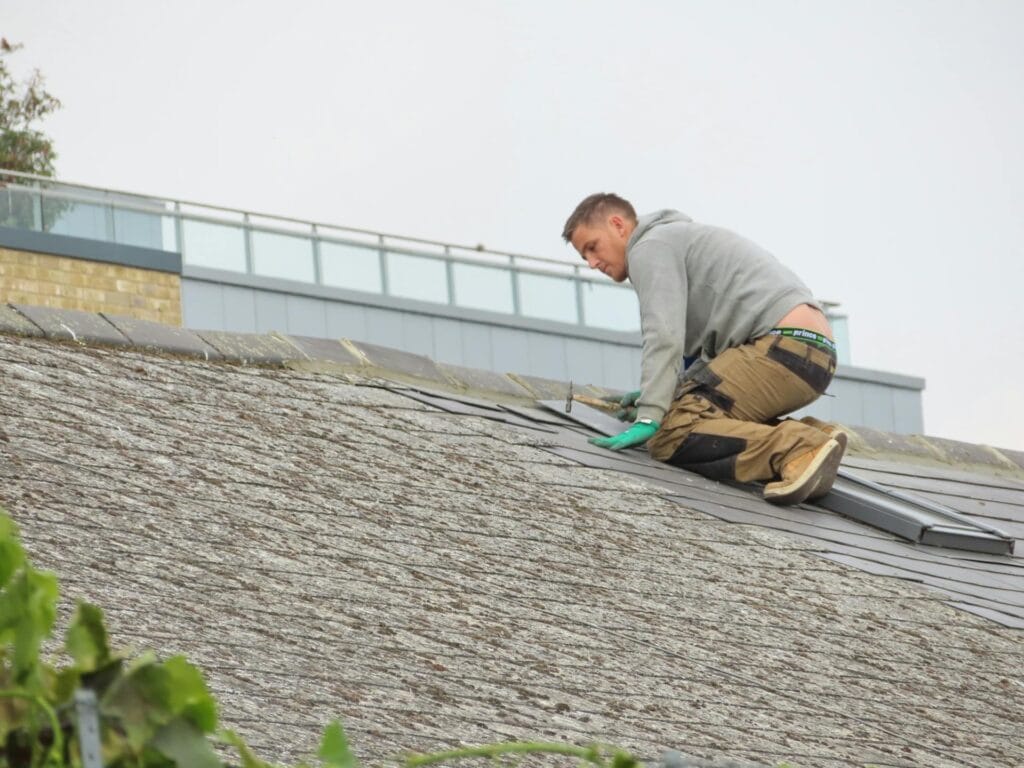
Just because the mortgage is gone doesn’t mean housing is cheap. A recent report from Forbes shows the average annual cost to maintain a single-family home has hit $10,433, a 5.9% increase from the year before.
Roofs, HVAC units, water heaters, appliances, they all wear out on their own schedule. Skip the maintenance now, and the repair bill later won’t be friendly. Home ownership in retirement is still work, and still expensive.
15 EASY Home Maintenance Tasks to Do Monthly (Before Something Breaks)
“One-Time” Purchases That Keep Happening

There’s always a good reason, buying the dream car, remodeling the kitchen, helping your kid. But those “one-time” expenses don’t stay one-time. Another year, another opportunity, another withdrawal.
Most people don’t regret a specific big purchase. They regret not expecting more of them. In retirement, there’s always something worth spending on, so plan for more than just one splurge.
Boredom Spending Adds Up Fast

It starts small, extra streaming services, a new kitchen gadget, maybe an upgraded bike. But without a structured schedule, those purchases become a habit. What feels like small indulgences add up quickly when every day is a weekend.
Early retirees often underestimate how much time and freedom lead to spending. It’s not about luxuries, it’s the slow drip of comfort upgrades that wear down the budget.
How to Avoid Boredom During Early Retirement
Overlooked Expenses That Can Break an Early Retirement Plan

Early retirement works best when your plan isn’t built on wishful thinking. The biggest budget breakers aren’t luxuries, they’re the stuff you didn’t even consider.
These overlooked costs don’t hit all at once, but they stack up when you’re not looking. Build a plan that can bend without breaking.
The math only works if you plan for the messy parts of life too.
🙋♂️If you like what you just read, subscribe to the DadisFIRE newsletter and follow DadisFIRE on YouTube. 💪