13 Parenting Moves That Help Kids Become Financially Secure Adults

As parents, it’s our job to teach kids how money works because most schools won’t. It’s not just about saving, it’s about earning, spending, and thinking clearly in a world that pushes people to overspend.
Nearly half of teens (48%) say they’re learning about investing through social media. According to a recent survey, platforms like YouTube (38%), TikTok (33%), and Instagram (25%) are where most teens go for financial advice.
That makes it even more important for parents to step in with real guidance and examples.
Here are practical parenting moves that help kids build real money skills and grow into financially secure adults.
Table of Contents
Turn Everyday Money Tasks Into Teaching Moments

You don’t need a formal sit-down to teach money skills, just start narrating your daily decisions. When you’re at the bank, using a debit card, or paying a bill online, explain what’s happening in simple terms.
The more they hear your thought process, the more they understand how everyday money management works.
Related: 25 Effective Ways to Teach Kids How Money Really Works
Be the Financial Role Model Your Kids Actually Notice

Kids learn more from what you do than what you say, especially when it comes to money. If you constantly stress over bills or swipe cards without a second thought, they’ll assume that’s normal.
Only 22% of parents say they feel completely confident teaching their kids how to invest, that means most are winging it. Show them good habits early, and they’ll carry those behaviors well into adulthood.
Related: 12 Money Lessons You Should Teach Your Kids Before Adulthood
Teach Kids How Advertising Messes With Their Money

Ads aren’t there to help, they’re there to sell, and your kids are the target. Teach them that marketers use emotion, urgency, and peer pressure to push products they probably don’t need.
When they learn to spot the tricks, they stop falling for them. Understanding advertising is one of the easiest ways to protect their wallet early.
We also made this related Video: How I Teach Kids About Money By Getting Rid Of Their Stuff
Teach Kids What Credit Cards Really Are

Credit cards aren’t free money, they’re loans that come with strings and interest. Nearly 1 in 5 American teens aged 13 to 17 already has a credit card, and most use it at least once a week, according to TransUnion.
If your kid is going to swipe, they need to understand what happens when balances roll over and payments fall short. Teach them how credit works now, before a late fee or high-interest debt teaches them later.
Related: 10 Credit Card Myths Debunked by a Finance Expert (With 830+ Credit Score)
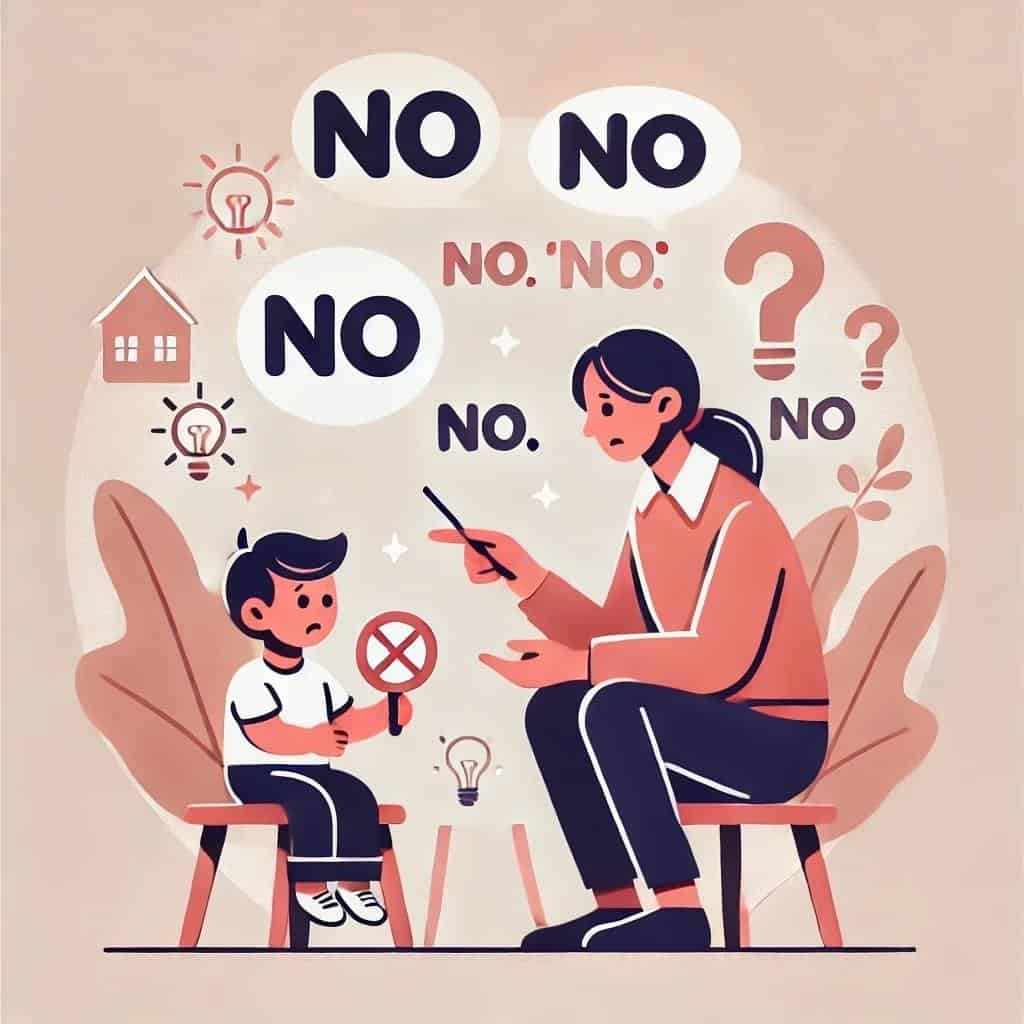
Talk to Your Kids About Needs, Wants, and Regrets

Instead of always saying “no,” ask your child to explain why they want something, and if they think it’s worth it. Help them weigh short-term excitement against long-term value.
These conversations train their brain to think ahead and reduce impulse spending. It’s not about denying fun, it’s about building decision-making muscles early.
🙋♂️If you like what you are reading so far, subscribe to the DadisFIRE newsletter and follow DadisFIRE on YouTube.💪
Teach Kids to Save Money Without Making It a Punishment

Saving shouldn’t feel like missing out, it should feel like taking control. Help your child split their money into spend, save, and give so they learn balance and intention.
According to Junior Achievement and Citizens, more than half of teens (54%) say they feel unprepared to finance their futures. Making saving feel normal, and even rewarding, is one way to change that early.
Related: 14 Reasons to Start Saving for Retirement in Your 20s
Talk About Smart Spending Decisions With Your Kids

Explain your financial choices in real time, say why you’re skipping something or paying more for quality. These little comments show them how to think critically about spending without preaching.
Real-life examples beat generic advice every time. Your kids will start asking better questions when they hear your reasoning out loud.
Related: What Rich Parents Teach Their Kids About Money From an Early Age
Teach Kids How Money Flows Through a Business

Kids see businesses every day, but most have no idea how they actually make money. Use something simple, like a lemonade stand or online resale, to show what it costs to produce, how to set a price, and what’s left as profit.
Break it down: supplies, time, marketing, then revenue. Understanding basic business math builds future entrepreneurs, not just future employees.
Related: How to Teach a Kid About Stocks: Easiest Way To Explain Stocks to A Kid
Open a Real Bank Account for Your Child Early

Let your child open a savings account with you present so they feel ownership from the start. Walk them through deposits, interest, and online banking basics, even if the amounts are small.
This gives them real-world experience with how banks work, not just abstract lessons. By the time they hit their teen years, they’ll already be comfortable managing accounts.
Related: Teaching My 5-Year-Old Twins About Money: Opening Their First Bank Accounts
Build Work Ethic With Real Money-Earning Opportunities

Don’t rely only on allowance to teach kids about money, it doesn’t reflect real life. Instead, encourage them to earn through small jobs like yard work, babysitting, or online gigs appropriate for their age.
When kids get paid for solving problems and creating value, they connect effort with reward. That’s how work ethic and self-worth around money are built.
Related: 17 Smart Ways Kids Can Make Money (That Actually Teach Real Skills)
Show the Value of Saving and Waiting

Saving for a goal teaches more than just patience, it builds confidence and control. When kids delay gratification and succeed, they’re more likely to repeat that behavior.
Tie saving to something specific they want, and let them feel the payoff when they reach it. These moments help saving feel like power, not sacrifice.
Related: Life Lessons: What To Teach Your Kid Or Anyone
Be Honest With Your Kids About Your Money Mistakes

Talk openly about your past financial slip-ups, credit card debt, overspending, bad investments. Explain what you learned and how you recovered, so they understand that mistakes are part of the journey.
It also makes your current advice more credible and relatable. Kids respect transparency, especially when it saves them from repeating the same mistakes.
Related: 15 Real-Life Parenting Tips for First-Time Moms and Dads
Explain That Financial Independence Buys Time, Not Stuff

Teach your child that the real goal of saving and investing isn’t just nicer things, it’s freedom. Financial independence means choosing how to spend your time, not just what to spend your money on.
That’s a mindset most adults don’t learn until it’s too late. When kids understand that money equals options, they start making smarter choices early.
Related: 19 Financial Goals That Actually Move You Toward Independence
Teaching Kids About Money Starts With You

Your kid doesn’t need a lecture, they need repetition, context, and example. The more money becomes a normal part of conversation, the less likely they are to grow up clueless.
This isn’t about raising a money genius. It’s about raising someone who understands choices, consequences, and freedom.
Teach it early, talk through it often, and make it stick while they’re still listening.
🙋♂️If you like what you just read, subscribe to the DadisFIRE newsletter and follow DadisFIRE on YouTube. 💪 Also be sure to follow DadisFIRE on Medium💰