12 Money Lessons You Should Teach Your Kids Before Adulthood

Money is everywhere, but most people still don’t know how to handle it. Look around, grown adults drowning in debt, stuck living paycheck to paycheck, wondering why they’re always broke.
The issue isn’t a lack of money. It’s a lack of financial education and the fact that they never learned the money lessons for kids that could’ve saved them from the trap.
And guess what? The school system won’t save your kid. It barely touches personal finance. Sure, they’ll learn algebra, but no one will teach them how to build wealth, avoid debt traps, or make money work for them. That’s on you.
Here are the money lessons every child should learn. Think of these as practical, real-life habits that help kids grow into adults who don’t just survive financially, but actually thrive.
Start now. Their future depends on it.
Table of Contents
Understanding Good Debt vs. Bad Debt

Debt isn’t the problem, it’s how you use it. Borrowing money can either build wealth or bury you in financial quicksand. The difference comes down to knowing the good debt vs bad debt rule.
A mortgage that builds home equity? Smart debt. A credit card balance with 25% interest for stuff that won’t matter in a year? That’s financial self-sabotage.
Good debt helps you buy appreciating assets or skills that raise your earning power. Bad debt burns through money without giving anything back.
A simple guideline to teach your kid: if it won’t make you money or improve your future, don’t borrow for it.
Teaching your kids: Debt is a tool, not a trap
Don’t just tell them, show them. Walk them through real examples like how a student loan can lead to higher income, while financing a luxury car only means years of payments.
Use a simple interest calculator to prove how quickly bad debt spirals. If they want something expensive, encourage them to think like an investor: will this purchase put money in their pocket or just drain it?
Teach them early that credit card companies aren’t friends, they’re businesses. Their job is to profit from people who never learned the simple money lessons every child should learn about debt.
Related: Teach your kid personal finance
The Pareto Principle: 80% of Results Come From 20% of Effort
Most people waste time on things that don’t move the needle. The Pareto Principle teaches that 20% of actions drive 80% of results in money, business, and life.
A handful of smart habits like investing wisely, avoiding lifestyle inflation, and growing income do most of the heavy lifting. The rest? Distractions.
You don’t have to be good at everything, just the right things. That’s why the wealthiest people focus their energy where it matters.
It’s one of those top money lessons for kids because it shows them success doesn’t come from working harder at everything, but smarter at the right things.
Teaching your kids: Focus on what moves the needle
Show them real-life examples of the 80/20 rule in action. How a few strong investments create the majority of wealth. How top-performing employees rise the fastest.
Have them track where they spend their time and money for a week, then show them what’s actually producing results.
Once they see that a small percentage of actions control most outcomes, they’ll understand one of the most powerful lessons for kids in personal finance: put effort where it counts.
Related: I Became a Liquid Millionaire at 38: Here Are Things I Don’t Waste Money On
Solving Problems Leads to Wealth

Money flows to solutions. The biggest fortunes aren’t built by working more hours, but by fixing problems.
Every successful career, investment, or business follows the same formula: identify a problem, solve it, and get paid well for the value created.
That’s why the wealthiest people aren’t always the hardest workers, they’re the ones who see gaps and create solutions. It’s a mindset shift, and one of the best money lessons for kids if you want them to see opportunities instead of obstacles.
Teaching your kids: Find a problem, become valuable
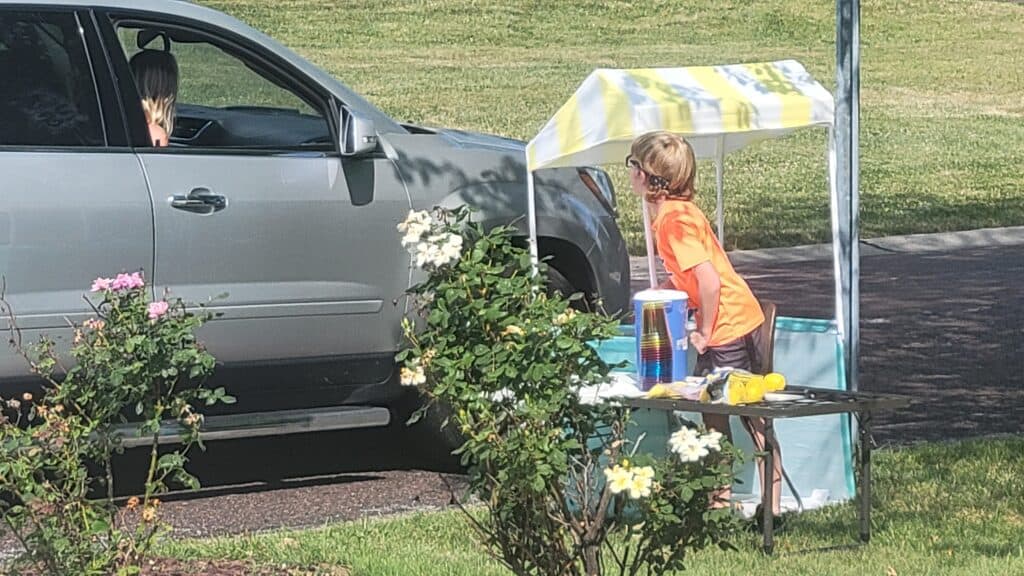
Help them shift focus from “making money” to “creating value.” Ask questions like: What frustrates people? What do people need but don’t have?
Encourage small steps, like using a lemon stand or offering a simple service.
When they learn that wealth comes from solving problems, they’ll grow up knowing that financial freedom isn’t about grinding forever, it’s about being valuable.
That’s a core part of the step-by-step money lessons for kids that actually build long-term success.
Knowledge Is More Valuable Than Money

Hand someone a pile of cash and it might disappear fast. Hand them knowledge, and they’ll know how to create more money forever.
Financial education for kids is worth more than any allowance because money can be lost, but skills and literacy stick for life.
The wealthiest people prioritize learning through books, mentors, and experiences. Knowledge compounds just like money, which is why it’s one of the best money lessons for kids you can teach early.
A kid who understands investing, negotiation, and money management will never stay broke for long.
Teaching your kids: Learn first, earn second
Make learning about money normal. Talk about investing, business, and the economy at the dinner table. Instead of just handing them cash, encourage them to earn through problem-solving.
Teach them about compound interest and how decisions shape opportunities.
When they see that knowledge is their biggest asset, they’ll naturally chase wisdom over quick wins. That’s the kind of practical money lessons for kids that separates those who struggle from those who thrive.
Money Doesn’t Define You

A big bank account doesn’t guarantee a good life. Some rich people are miserable, while some of the happiest people don’t have much at all.
Money is a tool, it buys freedom and opportunity, but it doesn’t replace values, relationships, or purpose.
The smartest financial minds know that beyond a certain point, more money doesn’t equal more happiness. That’s why this is one of the simple money lessons every child should learn, money supports life, but it isn’t life itself.
Teaching your kids: Be rich in more than just money

Make sure they see money for what it is: a means, not an end. Praise them for their kindness, problem-solving, and resilience, not just their financial wins.
Introduce them to examples of wealthy people who live simply and prioritize experiences over things.
When kids see money as a tool and not their identity, they’ll handle it with balance. It’s one of the best money lessons that sets them up not just for financial success, but also for a healthier relationship with money.
Related: How I Teach My Kids About Money: By Taking Their Candy
Long-Term Thinking Yields Success
Most people chase quick wins, lottery tickets, get-rich-quick schemes, or short-term thrills that lead nowhere. The wealthy play a different game. They plant seeds today that grow into something bigger tomorrow.
Investing compounds over decades. Careers and reputations take years to build. Patience isn’t flashy, but it’s what separates those who struggle from those who thrive.
This is one of the top money lessons for kids, because it teaches them to think ahead instead of falling into instant-gratification traps.
Teaching your kids: Play the long game
Make long-term thinking part of daily life. Instead of instant gratification, encourage waiting for something better.
When they want something expensive, have them save for it rather than handing it over.
Show them how a small investment today can turn into something big. Help them set goals they can work toward over months or years.
If kids grasp this early, they’ll avoid the mistakes that keep people broke. It’s one of the step-by-step money lessons for kids that builds discipline, foresight, and financial freedom.
Related: How I Teach Kids About Money By Getting Rid Of Their Stuff
Focus on Increasing Income, Not Just Cutting Expenses
You can only cut so much before there’s nothing left. That’s the problem with most financial advice, it’s all about budgeting, pinching pennies, and “living below your means.”
Important? Yes. But there’s a limit to how much you can save.
There’s no limit to how much you can earn. The wealthy understand this. They don’t obsess over skipping lattes. They focus on making more through skills, business, investments, or negotiation.
And it’s one of the lessons rich parents teach, that earning more creates more freedom than just cutting back.
Related: What Rich Parents Teach Their Kids About Money From an Early Age
Teaching your kids: Think bigger

Shift their mindset away from scarcity. When they ask for money, don’t just say no, challenge them to find ways to earn it. Help them brainstorm side hustles.
Encourage them to develop high-value skills that employers and customers pay for.
Show them how to create income streams that aren’t tied to hours worked. If they learn this early, they won’t grow up thinking small.
Teaching this early is one of the simple money lessons every child should learn, because it keeps them focused on opportunity instead of limitation.
🙋♂️If you like what you are reading so far, subscribe to the DadisFIRE newsletter and follow DadisFIRE on YouTube.💪
Make Money Work for You

Trading time for money is a losing game in the long run. The wealthy don’t just work for money, they make money work for them.
Every dollar invested is an employee that never sleeps, never complains, and keeps growing.
The stock market, real estate, and business ownership all create wealth without constant effort. The more money someone has working for them, the less they have to work themselves.
That’s why one of the best money lessons for kids is to see money as a tool that should grow on its own, not something they only earn by working harder.
Related Video: 25 Effective Ways to Teach Kids How Money Really Works
Teaching your kids: Your money should have a job
Get them excited about investing. Show them how $100 invested today turns into thousands over time. Let them pick a stock, track it, and see how their money grows.
Teach them about passive income, rentals, dividends, businesses, so they understand money isn’t just something earned through a paycheck.
Once they see how money multiplies on its own, they’ll never be satisfied just saving. They’ll want to invest.
Never Stop Learning
The most successful people never act like they know everything. The world changes fast, and the ones who stay ahead are the ones who keep learning.
Skills become outdated. Industries shift. People who refuse to adapt get left behind.
The wealthiest, smartest, and most influential people are constantly improving, reading, networking, taking courses.
This is one of the simple money lessons every child should learn early: curiosity pays off. Growth keeps you in control of your future, while stagnation leaves you stuck.
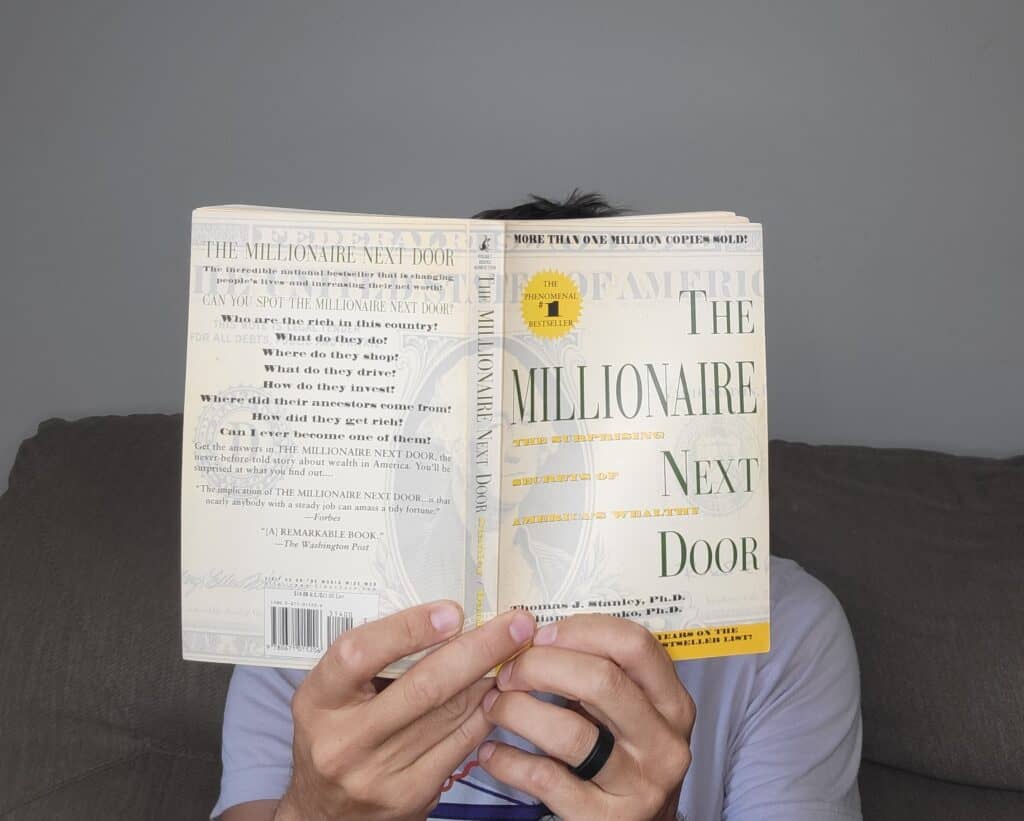
Related: The Millionaire Next Door: I Read It As a Teen And Made It Happen
Teaching your kids: Curiosity pays off

Make learning a habit, not a chore. Instead of pushing school subjects they hate, introduce them to real-world knowledge, money, business, psychology.
Give them books, documentaries, and podcasts that expand their thinking. Compliment effort, not just results. Show them how successful people stay students for life.
It’s one of those step-by-step money lessons for kids that builds confidence and resilience for life.
Understand Value
Price and value aren’t the same. A cheap item that breaks in a month is more expensive than a quality one that lasts years. The same applies to people’s time, skills, and money.
Something that looks like a bargain might be worthless. Something that seems expensive might be a life-changing investment.
Wealth isn’t built on being cheap, it’s built on knowing what’s worth spending money, time, and energy on.
Related: Warren Buffett Explains Exactly How He’d Make $30 Billion Starting Over With Only $10,000
Teaching your kids: Think before you spend
Before they buy something, have them ask: Is this worth it? Teach them to recognize when something is a smart investment versus a waste.
If they want a new gadget, show them how much they’d have if they invested the same amount. If they want to buy cheap clothes that wear out fast, explain why quality lasts longer.
Helping kids think in terms of value is one of the best money lessons for kids. Once they learn this skill, they’ll make better financial choices for life.
Understand the Time Value of Money

A dollar today is worth more than a dollar later. Not because inflation eats away at it (which it does), but because money invested today grows over time.
Every year, money left alone in the right places multiplies through compound interest.
This is why the rich get richer. They don’t just work for money, they put money to work early, and it keeps growing while they sleep.
Teaching kids this principle is one of the simple money lessons every child should learn, because it shows them that small actions now can mean huge rewards later.
Teaching your kids: Start early, win big

Make compound interest real for them. Show them an investment calculator and let them see how much even small amounts grow. Instead of spending birthday money, help them invest it.
Encourage them to think about future value, how saving and investing now turns into something huge later.
Once they see how early action makes life easier down the road, they’ll stop wasting money on short-term wants.
Your Financial Future Is in Your Hands
No one is coming to save you. Schools don’t teach personal finance. Employers don’t ensure financial security. The government won’t guarantee wealth.
People who wait for someone else to take care of them usually end up broke. The ones who take control, who learn, plan, and make intentional choices, create the life they want.
It’s one of the most important lessons for kids in personal finance, ownership of their money decisions.
Related: I Became A Millionaire In my 30s: 25 Things I Know, That Most People Never Figure Out
Teaching your kids: Own your financial destiny
Give them responsibility over their own money. If they earn an allowance, let them manage it. If they want something, have them save for it. Show them that every financial choice has a consequence, good or bad.
Talk about how different paths lead to different outcomes. Help them see that no one else will do this for them.
When they understand that wealth is built through decisions, not luck, they’ll take ownership of their future instead of leaving it to chance.
Building a Legacy of Financial Wisdom
Most people spend their lives figuring out money the hard way, through mistakes, stress, and wasted years. Your kid doesn’t have to. These lessons aren’t just about getting rich, they’re about freedom, security, and never having to panic over a paycheck.
Schools won’t cover it, and society pushes consumerism instead of wisdom. That’s why the money lessons for kids taught at home often make the difference between financial struggle and financial success.
Give them the knowledge now, so they never have to wonder how to build wealth later.
🙋♂️If you like what you just read, subscribe to the DadisFIRE newsletter and follow DadisFIRE on YouTube. 💪