17 Common Ways Americans Waste Money (Without Realizing It)

You don’t have to blow money on luxury items to fall behind financially. Most people overspend on everyday habits without even noticing. Those small leaks add up fast.
The average American now spends over $3,000 a year on impulse purchases alone. Add in unused subscriptions, brand-name markups, and bank fees, and you’ve got a slow drain on your finances that can erode long-term wealth.
Here are 17 common ways Americans waste money and the everyday spending habits that quietly hold people back financially.
Do you agree with these? Let me know.
Table of Contents
Impulse Buying

Impulse buying is one of the most common financial traps, and social media has turned it into a full-blown habit. A Bankrate study found that 48% of users bought something on impulse after seeing it online. Out of those, 68% regretted at least one of their purchases.
These aren’t just impulse snacks at the checkout line anymore, it’s full outfits, gadgets, and subscriptions showing up in the mail. The emotional high doesn’t last, but the credit card charges do.
Retail therapy feels good in the moment, but it’s one of the fastest ways to kill long-term savings. The fix? Wait 24 hours before buying anything that wasn’t on the original list. That short pause can keep hundreds in your account every month.
Related: 16 Common Purchases Many People Regret Buying
Overpaying for Housing

Spending too much on housing is one of the most expensive ways to waste money. Mortgage lenders might approve you for more than you can comfortably afford, but that doesn’t mean you should take it.
It’s not just the mortgage that hurts, property taxes, insurance, repairs, and utilities all climb with bigger homes. Americans are spending nearly 30% of their income on housing, which squeezes out opportunities to save or invest.
Downsizing or house hacking can change that fast. Living below your means in this category opens up serious breathing room in your budget. Overspending on housing leaves less room for building wealth, investing consistently, or reaching financial freedom.
Related: How To Buy a House with Little or No Money Down (I Have Done It Many Ways)
Unused Subscriptions

Most people have no clue how many subscriptions are draining their accounts each month. Between streaming platforms, gym memberships, music apps, and forgotten trials, the average American loses around $32.84 monthly to unused subscriptions.
That’s nearly $400 a year for services that don’t get touched. It’s easy to forget what you signed up for when charges hit your card automatically.
The key is to audit your accounts every few months and cancel what’s not being used. Out of sight shouldn’t mean out of pocket. Those forgotten charges slowly bleed your budget dry.
Related: 13 Monthly Expenses That Are Quietly Taking Your Money
Brand-Name Products

There’s nothing wrong with quality, but name brands often charge a premium for packaging and recognition. The reality? Generic and store brands offer the same ingredients, materials, or performance in most cases.
In blind tests, people can’t even tell the difference between brand-name and generic medicine or pantry staples. That brand tax adds up fast on groceries, cleaning supplies, and even clothes.
Saving 20–30% every grocery run can lead to thousands saved each year. Brand loyalty shouldn’t come at the cost of your financial goals.
🙋♂️If this is interesting so far, follow DadisFIRE on Medium, then hit like to see more articles on financial freedom, personal finance, and smart money moves.💪
Bank Fees

Banks quietly rake in billions in fees each year, and it’s often on customers who can least afford it. Overdraft charges, ATM withdrawal fees, and monthly maintenance fees hit hard, especially when accounts are already low.
These aren’t one-time mistakes, either. The average American paid $29 in overdraft fees alone in 2024. Switching to online or local credit unions with no-fee policies can eliminate these costs.
Many also offer free overdraft protection or reimbursement for ATM fees. Every dollar counts, and banks shouldn’t be the ones taking it.
Related Video: Credit Card Secrets According To Expert With 800+ Credit Score
Dining Out Frequently

Grabbing food on the go or eating out regularly might feel like a time-saver, but it drains your wallet fast. As of late 2024, the average American spends about $166 each month just on dining out.
That’s nearly $2,000 a year going to restaurants and takeout instead of savings or investments. Cooking at home doesn’t just cost less, it also puts you in control of your health. A few meal preps each week can cut this spending in half without sacrificing flavor or convenience.
Over time, those savings can pay for a vacation or wipe out a credit card balance.
Related: 15 Recurring Expenses That Quietly Hurt Your Budget
High-Interest Debt

Carrying credit card balances month after month is one of the fastest ways to bleed money. Interest charges pile up quickly and make it harder to pay down the principal. That means each payment is working less for you and more for the bank.
Paying just the minimum keeps you trapped in a cycle of revolving debt. Focused repayment strategies like the avalanche or snowball method can help break that cycle.
The goal isn’t just to be debt-free, it’s to stop giving your income away for nothing.
Related: 23 Mistakes To Paying Off Debt That Keeps People Poor (And How to Fix Them)
Overpriced Coffee

Coffee shops have turned daily routines into daily expenses. The average coffee drinker now spends $21.32 per week, which adds up to over $1,100 a year.
It’s easy to swipe a card for a $6 drink, but it adds up faster than most people realize. Making coffee at home costs cents, not dollars, and gives full control over ingredients and quality.
There’s no shame in treating yourself, but daily lattes can turn into a costly ritual. Keep it occasional, and your wallet won’t feel the hit.
Related: Are You Really Middle Class? 23 Clues Someone Is In The Middle Class
Buying New Cars

New cars lose value the moment they’re driven off the lot, some drop as much as 20% in the first year alone. That’s thousands of dollars gone, with nothing to show for it. On top of that, new cars come with higher insurance premiums and registration costs.
A lightly used car, just a few years old, often has the same reliability at a much lower price. Cars should be tools, not trophies. Buying smart means letting someone else take the depreciation hit.
Related: 19 Things Millionaires Refuse to Buy (And You Probably Should Too)
Unused Gym Memberships

Signing up for a gym feels like a commitment to health, but that monthly fee means nothing if the card never gets scanned. Nearly 50% of gym members stop going within six months, yet many continue to pay for months after.
That’s money burned on good intentions. Free workouts, local trails, or low-cost programs can keep you active without draining your account. Fitness doesn’t need a fancy facility, it needs consistency.
Cancel the guilt payments and pick something that actually fits your lifestyle.
Related: 16 Expenses That Quietly Keep You From Building Wealth
Lottery Tickets
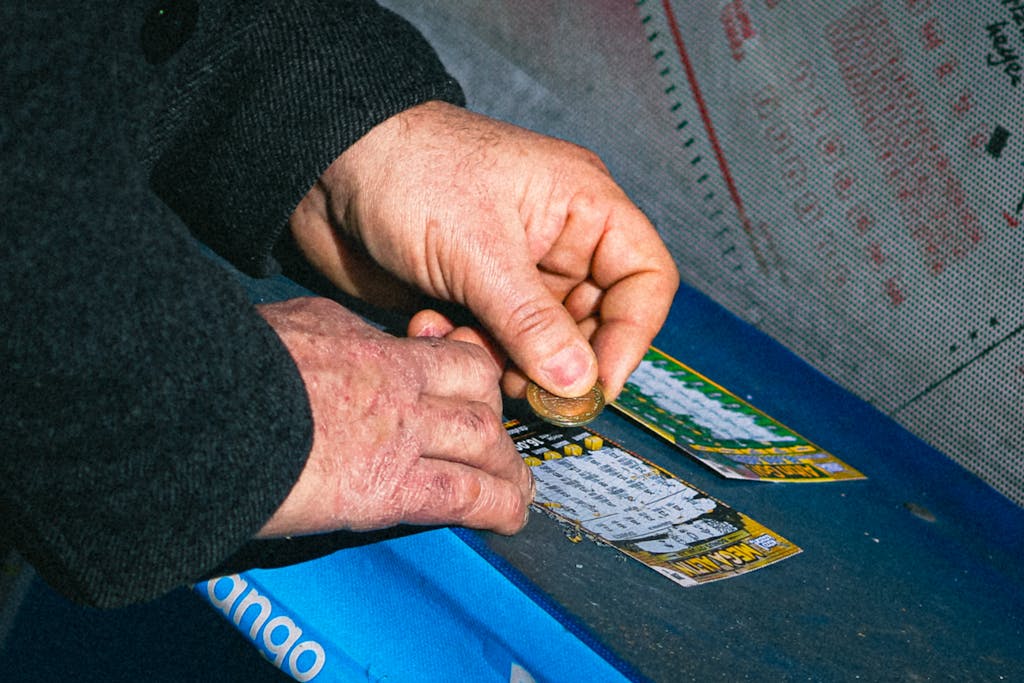
The dream of a big win keeps people coming back, but the math doesn’t lie. Americans spent a jaw-dropping $113 billion on lottery tickets in 2023. That’s an average of $437 per adult, money that statistically will never pay off.
The odds of winning anything meaningful are lower than getting struck by lightning twice. For most, it’s less about strategy and more about wishful thinking.
That money could build an emergency fund, buy stocks, or knock out a credit card balance. Betting on luck rarely works, but betting on discipline always does.
Related: 17 Habits People Use to Quietly Build Real Wealth
Extended Warranties

Stores love to push extended warranties, especially on electronics and appliances. But most of them aren’t worth it. These plans often cost more than any repair would, and in many cases, the manufacturer’s warranty already covers the basics.
Most consumers never use these warranties at all. It’s money spent upfront for protection that often never gets needed. And if a product breaks just outside that warranty window? You’re still stuck.
Instead of buying into the fear, focus on quality products and set aside a small emergency fund for replacements. That alone beats most warranty plans.
🙋♂️If you like what you are reading so far, subscribe to the DadisFIRE newsletter and follow DadisFIRE on YouTube.💪
Excessive Alcohol Consumption

A few drinks here and there can lead to hundreds spent without much to show for it. In 2021, the average American spent around $579 on alcohol, with higher totals for those who drink more frequently or socially.
Bars, restaurants, and delivery services often charge double or triple retail price. That quick round with friends can easily hit $50 or more. Cutting back doesn’t mean cutting it out, just setting limits and drinking at home when possible.
Reducing this habit pays off in both dollars and health.
Related: 19 Proven Ways to Cut Healthcare Costs Without Sacrificing Care
Smoking

Cigarettes are one of the most expensive habits out there. At an average of $8 per pack, a pack-a-day smoker burns over $2,900 per year. That’s money literally going up in smoke.
And it doesn’t even factor in future healthcare costs tied to tobacco use. Quitting saves thousands and improves life expectancy almost immediately.
It’s hard, but the cost of not quitting is even harder in the long run.
Related: Broke People Always Seem to Waste Their Money on These 15 Everyday Expenses
Gambling

Gambling promises excitement, but it delivers losses more often than not. Americans lost over $60 billion on gambling in 2023, with casinos, sports betting, and online games growing rapidly.
Most of that money comes from people who can’t really afford to lose it. The odds are always in the house’s favor, and big wins are rare. Gambling doesn’t build wealth, it drains it.
Entertainment shouldn’t come at the cost of financial security.
Related: I Never Do These 14 Things, And Thats Why I Was Able To Retire Really Young
Unused Gift Cards

Gift cards seem like free money, until they expire or disappear in a drawer. Every year, an estimated $15 billion in gift card value goes unused. That’s billions sitting in wallets and junk drawers instead of circulating back into actual purchases.
Redeeming gift cards quickly ensures they don’t go to waste or lose value. Keeping them visible or loaded into a digital wallet helps make them part of everyday spending.
Don’t let free money go to zero because of forgetfulness.
Related: 23 Expenses Smart Retirees Avoid (And Why You Should Too)
Buying Cheap, Low-Quality Items

Going cheap might feel smart upfront, but it usually backfires. Low-quality products break, wear out, or underperform, forcing you to replace them sooner.
Over time, that cycle ends up costing more than just buying something decent to begin with. Shoes, tools, appliances, buying once and buying well often saves more in the long run.
Quality doesn’t mean overpriced. It means durable, reliable, and cost-effective over time.
Related: 20 Smart Splurges That Are Worth the Price
Stop Wasting Money Like This

Wasting money isn’t always about big mistakes, it’s the small, steady leaks that do the real damage. Cutting out even a few of these habits can add thousands back into your pocket each year.
Most people don’t have an income problem, they have a spending problem. The good news? Fixing it doesn’t take a finance degree or a six-figure salary.
It just takes awareness, a little discipline, and a decision to stop letting your money slip away.
🙋♂️If you like what you just read, subscribe to the DadisFIRE newsletter and follow DadisFIRE on YouTube. 💪 Also be sure to follow DadisFIRE on Medium💰