The Challenges and Realities of Retiring Alone That Many Seniors Face

Retiring alone comes with freedom, but also more pressure. You’re responsible for every choice, every expense, and every backup plan. No shared income, no built-in support, no safety net unless you create it.
Data from the Pew Research Center analyzing U.S. Census Bureau statistics confirms that approximately 26% of U.S. adults ages 65 and older currently live alone.
That means millions of seniors are managing retirement, household expenses, health decisions, and daily routines on their own.
Here are the biggest challenges seniors face when living alone in retirement, plus practical ways to stay safer, more connected, and more financially secure.
Table of Contents
Retiring Alone Means You Make Every Decision Yourself

No one talks about how exhausting decision fatigue becomes when you retire alone. Every call about your money, healthcare, housing, or future falls on your shoulders.
There’s no spouse to double-check your plan or catch something you missed. It’s all on you, and that makes preparation more important than ever.
Related: 16 Retirement Myths Many People Believe
What No One Tells You About Social Security When Living Alone
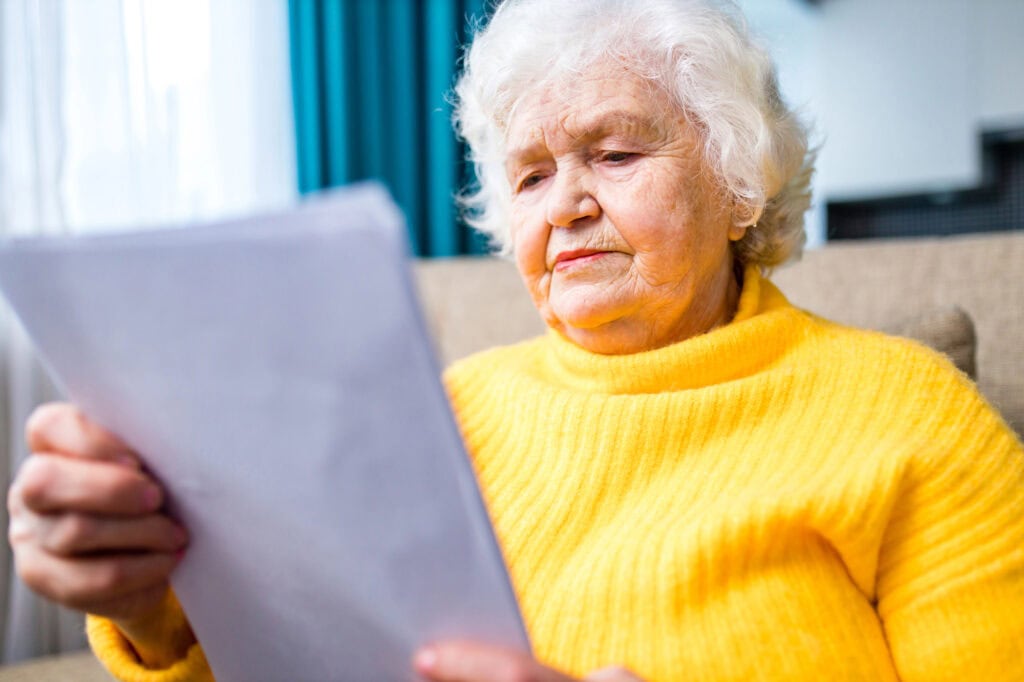
As of 2025, the average Social Security retirement benefit is $1,980.86 per month or about $23,770 a year, according to the Social Security Administration.
That is tough when you can’t split expenses like housing and utilities with someone.
Rent, utilities, food, insurance, they don’t get cheaper just because you’re solo. If you’re living alone, you’ll likely need another income stream or serious savings to stay above water.
Related: 24 Medicare Benefits That Are Free and Help Lower Healthcare Costs
No One’s There in a Crisis and That’s a Problem

Falls, strokes, or accidents don’t come with warnings and if you’re alone, response time can make all the difference. There’s no one to notice a missed medication or a sudden decline.
You’ll need to set up support systems: medical alert tech, emergency contacts, and people who check in regularly. The time to do that is before you need it.
Related: 19 Reasons Boomers Are Struggling to Sell Their Businesses And Retire
Retiring Alone Can Increase Your Risk of Depression

Retirees are more likely to experience depression compared to people still working, and that risk climbs higher when you’re living alone. No coworkers, no partner, no reason to leave the house some days.
The lack of structure and human interaction chips away at mental health faster than many expect. If you’re not building social routines, retirement can feel less like freedom and more like invisibility.
Related: Special Tax Benefits of Aging: 19 Great Tax Breaks You Can Claim After 50
What No One Tells You About Planning Retirement Solo

Living alone in retirement takes planning that goes beyond money. You’ll need routines, structure, legal documents, backup contacts, and daily purpose.
Too many solo retirees think saving enough is the finish line, when it’s actually the starting line. Retiring alone doesn’t just require cash. It requires a complete game plan.
Related: 17 Retirement Planning Mistakes That Could Leave You Broke
Financial Insecurity Hits Harder When You’re Living Alone

The National Council on Aging reports that 80% of older adults are already financially struggling or at risk. When you’re living alone, there’s no second income or fallback if something shifts, just you and the budget.
Retirement inflation, rent hikes, or unexpected bills can throw everything off. The margin for error shrinks fast when you’re the only one holding the financial line.
Related: 18 Flexible Jobs for Retirees Who Want Extra Income and Something To Do
Friendships Become Your Foundation When You Live Alone

In the absence of a spouse or partner, your social connections matter more than ever. Friends, neighbors, and community ties are what keep isolation at bay.
Retiring alone means your calendar should include more than just appointments, it should include people. Regular interaction is part of your health plan now.
🙋♂️If you like what you are reading so far, subscribe to the DadisFIRE newsletter and follow DadisFIRE on YouTube.💪
Retiring Alone Gives You Full Control of Your Time

One underrated benefit of living alone in retirement is that every hour is yours. You can wake up when you want, eat what you want, travel light, or stay put, no compromises. You don’t have to negotiate plans or tiptoe around someone else’s routine.
What no one tells you about retiring alone is how freeing that level of control can actually feel.
Related: Preparing for Retirement? This Checklist Helps You Avoid Costly Mistakes
The Health Risks of Retiring Alone Don’t Get Enough Attention

Living alone in retirement can quietly take a toll on your health. Studies show that social isolation increases the risk of high blood pressure, heart disease, cognitive decline, and even premature death.
Without regular human contact, your brain and body both start slipping. The danger isn’t just loneliness, it’s what that isolation does behind the scenes.
We also made this related Video: The Negative Side of Early Retirement: 18 Hard Truths No One Talks About
Living Alone in Retirement Doesn’t Cut Your Costs in Half

Many assume expenses get slashed when you’re on your own, but the math doesn’t work that way. Rent, insurance, internet, and car payments still hit full price. Groceries often cost more when you can’t buy in bulk or share meals.
Even with careful budgeting, living alone usually comes with a higher per-person price tag than dual-income or coupled households.
Related: 13 Retirement Expenses Most Early Retirees Forget to Budget For
What No One Tells You About Healthcare When You Live Alone

Managing healthcare solo isn’t just paperwork, it’s pressure. Who advocates for you if you’re admitted? Who helps make fast decisions if you’re out of it? You’ll need medical directives, power of attorney forms, and someone who knows where they are.
Retiring alone means preparing for every scenario in advance, because no one else will do it for you.
Related: 19 Proven Ways to Cut Healthcare Costs Without Sacrificing Care
Even Healthy Retirees Living Alone Need End-of-Life Plans

Feeling great today doesn’t mean you get to ignore tomorrow. Retiring alone means no spouse to handle your affairs, so you need to organize them now. Wills, passwords, home titles, digital access, someone has to know where everything is.
What no one tells you about retiring alone is how much easier your future can be if you just handle it early.
Related: 20 Smart Ways to Lower Your Insurance Premiums Without Cutting Coverage
Why Downsizing Is Practically Mandatory If You’re Retiring Alone

The home that once made sense may now just be a liability. Too much space, too many stairs, too expensive to maintain. Downsizing isn’t just about money, it’s about safety and simplicity.
What no one tells you about retiring alone is how important it is to live in a place that fits your energy, not your past.
Related: Before You Downsize: 21 Things You Need to Do First
The Truth About Retiring Alone Most People Miss

Retiring alone isn’t just about having enough money, it’s about having enough clarity. You need to know what you want your days to look like, and what to do when things go sideways.
No one’s coming to rescue your budget, your health, or your time. That’s the challenge, and the opportunity.
Plan it right, and living alone in retirement can still be full, sharp, and fully yours.
🙋♂️If you like what you just read, subscribe to the DadisFIRE newsletter and follow DadisFIRE on YouTube. 💪