17 Habits That Show You’re Managing Money Wisely

Managing money isn’t just about income. Instead, it’s about the decisions you make with what you have.
From daily spending to long-term planning, these habits show you’re thinking ahead and staying in control.
👉 Click or scroll to see the habits that signal strong financial decision-making.
Table of Contents
Most Americans Know More About Money Than They Think

According to Pew Research, 54% of U.S. adults say they know a fair amount or a great deal about personal finance. Another 33% say they know some, leaving only a small group feeling completely lost.
That means most people have more financial knowledge than they give themselves credit for.
👉 Keep reading to see which habits prove you’re managing money better than most.
You’re Saving Before You Spend

Paying yourself first is one of the most underrated money habits out there. If you’re moving money into savings or investments before tackling expenses, that’s a high-level play.
You’re not just reacting to your bills, you’re making your future a priority. Most people wait until the end of the month. You’ve flipped the script.
15 Spending Habits That Set Self-Made Millionaires Apart
You’re Avoiding New Debt When You Can

If you’re not constantly swiping a card or signing up for new loans just to get by, that’s a strong sign of control. Debt.org reports that 90% of Americans have some form of debt, but there’s a difference between smart leverage and reckless spending.
Choosing to keep your balances low or avoid new obligations when you don’t need them shows maturity. That’s the kind of move that keeps you financially flexible, not stuck.
You’re Investing, Not Just Saving

If you’ve got money parked in a 401(k), Roth IRA, or even a basic index fund, you’re already ahead of the curve. Saving is good, but investing is how money grows.
You’ve stepped into long-term thinking, and that’s a rare move. Even small contributions show you’re building wealth, not just hoarding cash.
20 Investing Mistakes the CFA Institute Says to Avoid
You Track Your Spending Weekly

You might not have a color-coded spreadsheet, but if you’re regularly reviewing your expenses, you’re way ahead. A recent study by Secure Data Recovery found that 56% of Americans spend at least an hour each week looking over their personal finance data.
That means they’re paying attention to where their money’s going, and so are you. Awareness is the first step toward real control.
You’re Calling to Lower Bills, Not Just Accepting Them

Most people don’t question what they’re paying for internet, insurance, or streaming, they just pay it. But if you’ve called a provider and negotiated a lower rate, you’re doing what most won’t.
One short call can save hundreds a year, and it’s a move that takes strategy, not luck. That’s how smart people keep their expenses lean.
Stop Overpaying: These 22 Common Expenses Are Negotiable
You’ve Got an Emergency Fund (Even a Small One)

Bankrate reports that nearly one in four Americans have no emergency savings at all. So if you’ve saved even a few months’ worth of expenses, you’re doing better than most.
It’s not about how much is in the account, it’s about having something. That money buys you time, options, and peace of mind.
You’re Always Learning About Personal Finance

You’ve probably read a blog post, listened to a money podcast, or watched a video that broke things down simply. That curiosity matters more than most people think.
The fact that you’re looking for ways to improve tells us everything we need to know. You’re not standing still, and your finances won’t be either.
🙋♂️If you like what you are reading so far, subscribe to the DadisFIRE newsletter and follow DadisFIRE on YouTube.💪
You Know How Much Your Life Costs Each Month

You’ve done the math, or at least have a close idea, of what your basic lifestyle actually costs. Rent, food, insurance, gas, you’ve run those numbers before.
That awareness gives you real power when it comes to planning, saving, or taking a financial leap. Most people guess. You don’t.
You’re Not Carrying a Credit Card Balance

Credit card interest is brutal, especially now with average APRs soaring over 20%. If you’re paying off your balances in full every month, you’re not just using credit, you’re mastering it.
Plenty of people chase rewards but end up paying far more in interest. You’re staying on top of the game, and your wallet’s better off for it.
You Pause Before Making Big Purchases

More than half of Americans have admitted to spending over $100 on an impulse buy. Worse, 1 in 5 said they’ve dropped at least $1,000 without planning to.
If you give yourself a day or even just a few hours to think it through, you’re doing something most people don’t. That one pause can save you thousands every year.
You Cut Subscriptions You Don’t Use

Unused apps, random streaming platforms, monthly services you forgot about, it all adds up fast. If you’ve reviewed your bank statements and canceled anything you’re not using, that’s real financial discipline.
It’s not about being cheap, it’s about cutting waste. Smart money managers don’t just earn more, they plug the leaks early.
16 Expenses That Slowly Erode Your Wealth
You Check Your Credit Report (Or Know You Should)
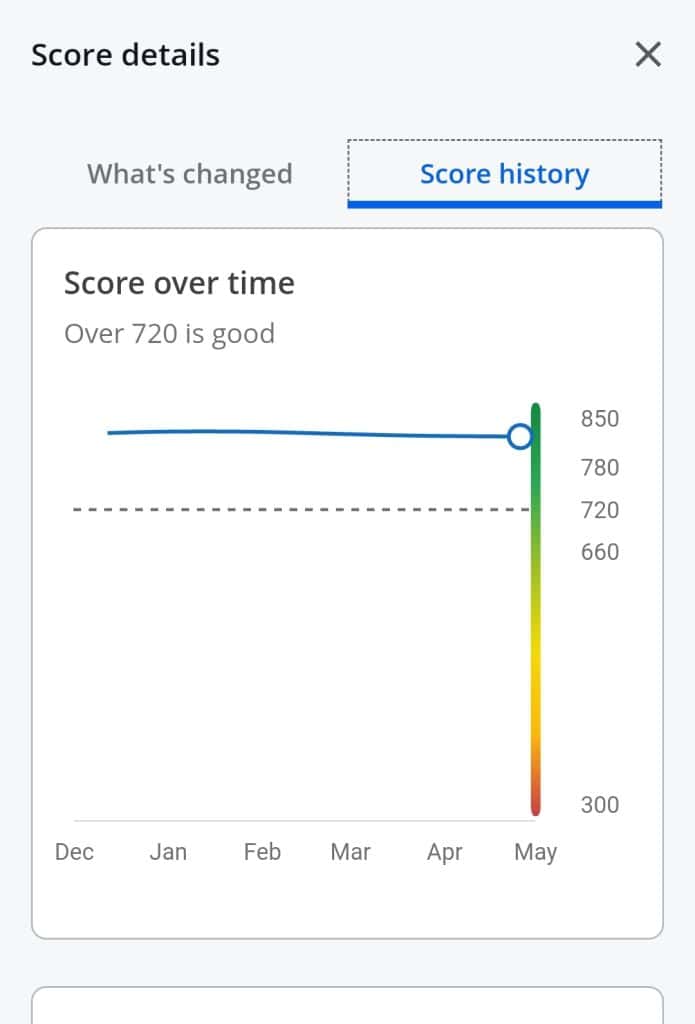
According to TransUnion, nearly 33% of Americans have never checked their credit report or score. Another 25% haven’t done it in the last year.
If you’ve checked yours, even once, you’re already managing risk and protecting your financial identity. That alone puts you ahead of millions.
You Set Financial Goals (and Actually Track Progress)

Even if it’s just “save for a trip” or “pay off one card,” setting clear goals gives your money direction. Most people just wing it and hope for the best.
If you’ve written down a goal and checked in on it later, you’re doing what serious planners do. That’s how progress turns into momentum.
19 Financial Goals You’re Probably Not Setting (But Should Be)
You Know How at Least One Financial Tool Works

You don’t need to know everything. If you understand how a Roth IRA grows tax-free or why index funds outperform most active managers, you’re already winning.
Financial literacy isn’t about degrees, it’s about knowing what works and using it. That kind of clarity beats confusion every time.
You’re Not Letting Lifestyle Inflation Take Over

A bigger paycheck doesn’t mean a bigger car or pricier apartment in your world. That restraint is rare. Most people raise their spending the second they get a raise, and then wonder why they’re still broke.
You’re keeping your lifestyle steady while your money grows, and that’s how freedom happens.
Rich vs. Broke: 25 Habits That Separate Wealthy People from Everyone Else
You Separate Needs From Wants (And You Act on It)

If you’ve ever talked yourself out of a flashy purchase because you didn’t need it, you’re making solid decisions. That’s not being restrictive, it’s being intentional.
Financial success isn’t built on what you can afford, it’s built on what you can walk away from. That self-awareness is one of the strongest money skills there is.
You Ask for Help When You Don’t Know Something

You’ve looked up a financial term, asked a smart friend, or posted a question online instead of guessing. That willingness to learn is underrated.
People who get better with money aren’t born knowing, they just stay curious. You’re doing exactly what they do.
You’re Still Reading This (Which Says Everything)

Most people don’t make it this far, and that alone proves you care more about your money than most. You’re not just scrolling for entertainment; you’re looking to level up.
These habits aren’t flashy, but they’re exactly how financial freedom starts. You don’t need a perfect credit score or six-figure income to win, you just need consistency.
Keep going, because you’re already on the right track.
🙋♂️If you like what you just read, subscribe to the DadisFIRE newsletter and follow DadisFIRE on YouTube. 💪 Also be sure to follow DadisFIRE on Medium💰