Why I Spent My Career Hoping to Get Laid Off

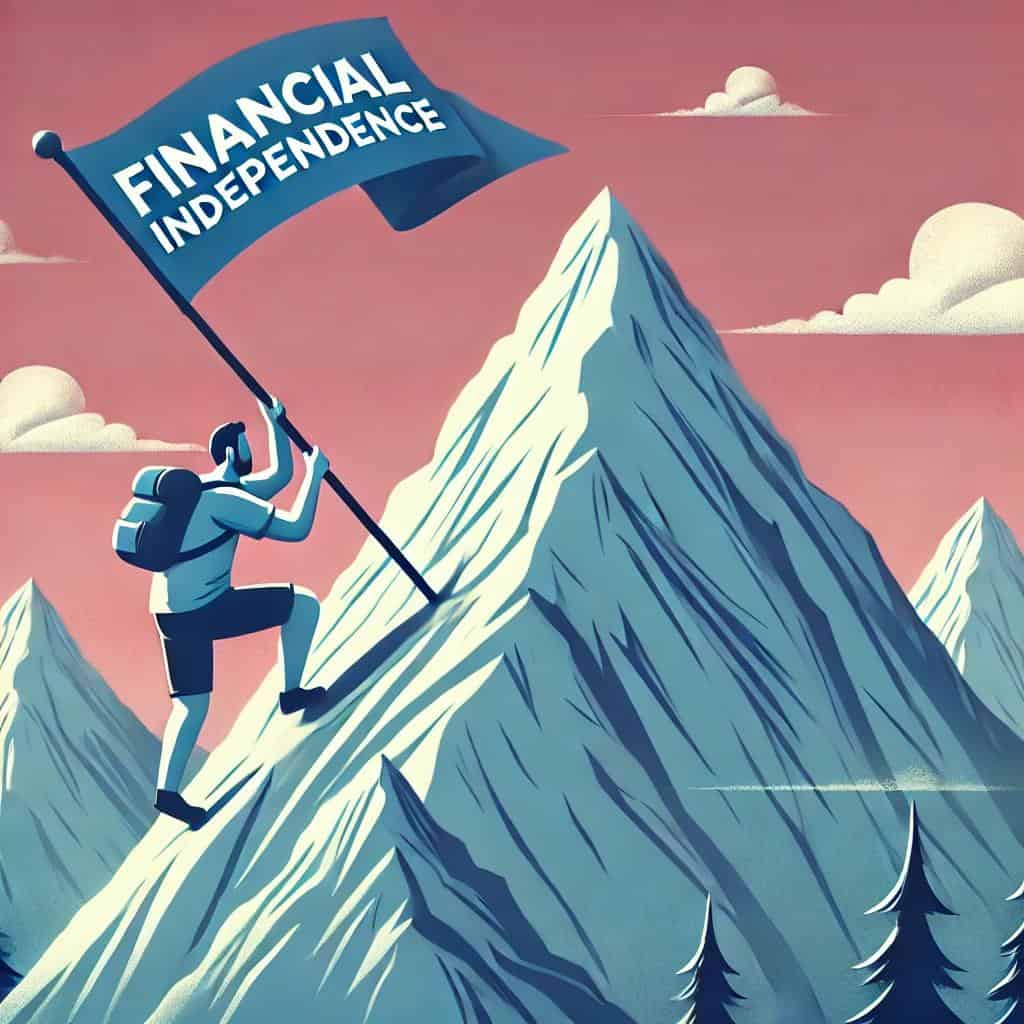
Most people spend their careers terrified of being laid off. I spent my entire career hoping for it.
Not because I hated working. Not because I was lazy.
But because I had built my financial life differently, and I knew that a layoff could be the golden ticket to the freedom I really wanted.
Table of Contents
My First Layoff Was My Best Lesson
Right out of college, I landed a job as a technical writer. Not glamorous, but steady. We wrote the testing materials for Windows 2000 certification.
I was barely a year in when it happened: HR pulled a teammate and me into a conference room.
We were being let go.
My coworker sat there in stunned silence, nodding along. When HR asked if he had any questions, he was a deer in headlights.
When they turned to me, I took a different path.
I started negotiating. Not angrily. Not desperately. Calmly. I knew I had leverage because the HR person liked me. She liked both of us.
I asked them to pay off some of my remaining student loans. They agreed. I asked if they would forgive the tuition assistance I had received. They did. I pushed for several months of severance pay. They said yes.
And then I went for the craziest one: I was in the middle of closing on my first house. I asked HR to confirm to my lender that I was still on payroll when they called for employment verification. Technically, it wasn’t even a lie, I was still on their books for a few more months.
They said yes.
So at 21 years old, I ended up buying my first house while unemployed. And I was comfortable with that, because I had already built up several years of savings from side hustles I’d been running since I was a teenager. I also turned it into a rental house while I continued to rent a townhouse with roommates.
Related: Subtle Behaviors That Could Earn You More Than a College Degree
That layoff taught me two things: companies will give you far more than you expect if you just ask, and financial preparation gives you leverage that most people never have.
FU Money in My 20s
I continued to buy rental houses in my early 20s. Nothing flashy, single-family homes, tenants covering the mortgages.
I was in my early 20s and already building alternative income streams.
It wasn’t a fortune, but it was FU money: enough that I didn’t feel chained to a paycheck. Enough that if my employer decided I wasn’t valuable anymore, I could still cover my bills.
From that point on, my relationship with work changed. I wanted freedom as much as I wanted promotions.
So every time layoffs rolled through, I secretly wanted to be on the list.
Related: How I Bought Homes With Little or No Money Down
2008: Hoping for the Axe
Fast forward a few years. By then I was working for one of the largest financial services firms in the world, the kind of place most people considered untouchable.
And then came 2008.
You remember the headlines: Lehman Brothers collapsing overnight. Bear Stearns swallowed up in a fire sale. AIG bailed out by the U.S. government. Merrill Lynch forced into Bank of America’s arms. Washington Mutual, gone. Wachovia, gone.
Entire firms that had stood for more than a century were wiped out in a matter of weeks.
Inside our buildings, people were panicked. Colleagues refreshed news sites between meetings. In one of our meetings, the heads of our department even paused, huddled together, and considered buying Wachovia!
Rumors swirled that our firm might be next. People were terrified of pink slips.
Me? I was hoping for one.
I had the rental houses. I had FU money. I didn’t need the job, I wanted the freedom. And in the middle of the biggest layoff wave my industry had ever seen, I thought I’d finally get it.
Instead, I was promoted.
While others lost jobs, I got more responsibility, more pay, and a new title. From the outside, it looked like success. Inside, it felt like a trap.
Related Video: I Retired at 42: How I Think Differently Than People Still Working
The Company of Constant Layoffs
After more than a decade at my first financial services firm, I made the jump to another financial giant.
On paper, it looked like the right move: new role, new opportunities, bigger scope. But once inside, it didn’t take long to notice the pattern, this company was always in layoff mode.
Why Layoffs Never Stopped
It wasn’t random. There were reasons baked into the culture and history of the place.
During the 2008 financial crisis, this firm had gobbled up competitors, not small ones, but some of the largest names in the industry. What followed was a Frankenstein organization, stitched together with redundancies everywhere.
A few years later we were under intense regulatory pressure. The firm was in the headlines constantly, paying out staggering fines for fraud and misconduct.
Every time a new scandal hit the news, the company had to show regulators, Congress, investors, and the public that it was “doing something.”
Too often, that “something” meant cutting staff.
Dozens of people performing the same functions in slightly different ways, multiple management layers stacked on top of one another, and org charts that didn’t make sense.
The “solution” was constant pruning. Layoffs became a way of life.
Living With Layoff Culture
You could feel it in the air. Hallways buzzed with rumors every quarter. Whispers spread before every all-hands.
People half-joked about keeping their desks clean in case they got tapped.
For most of my coworkers, it was terrifying. They refreshed job boards, quietly reached out to recruiters, and prayed their names weren’t on the next list. For them, a layoff meant disruption, uncertainty, even panic.
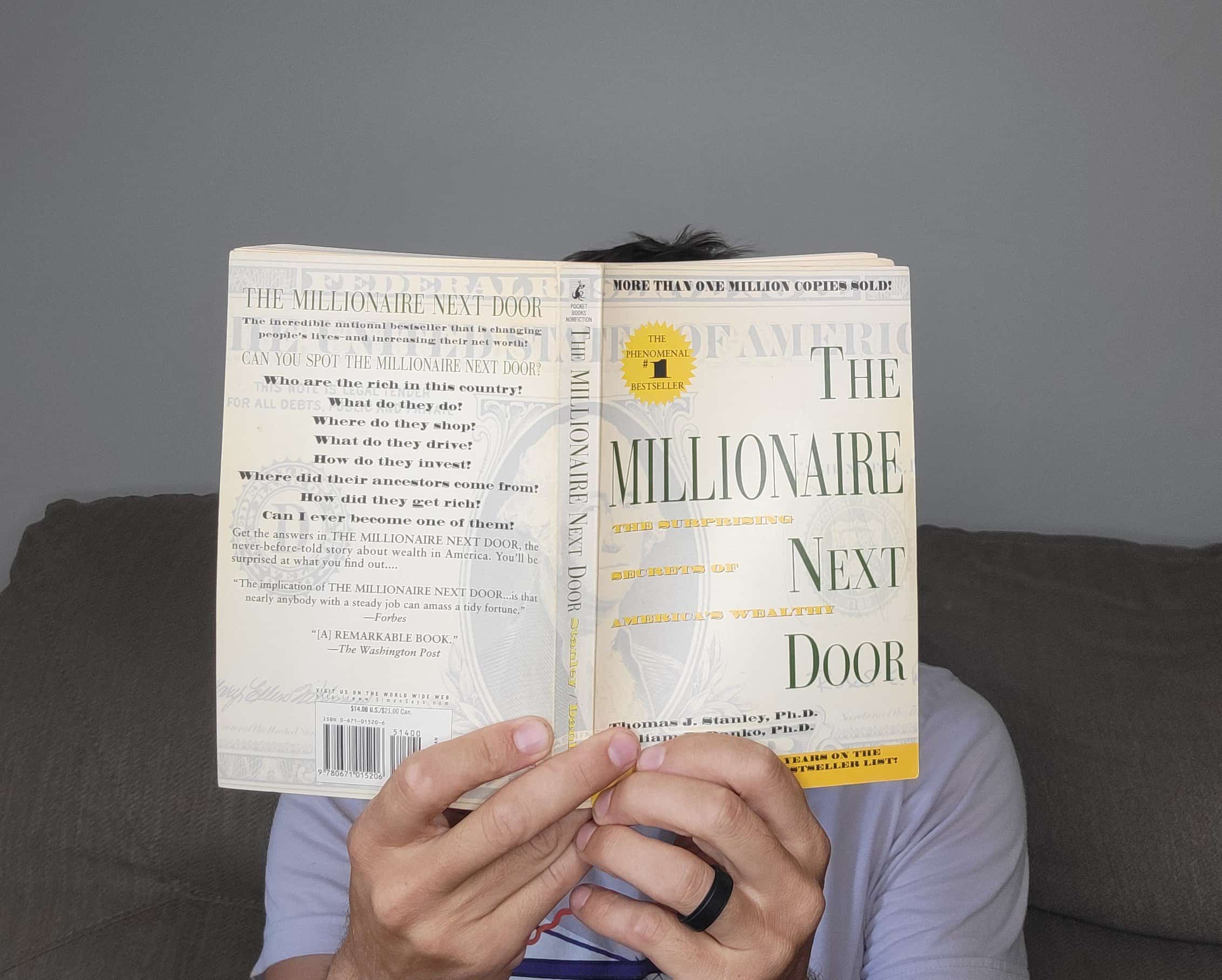
Related: The Most Common Jobs of Millionaires, According to The Millionaire Next Door
Why I Wanted the Axe
For me, it was the opposite. I didn’t dread the lists. I wanted to be on one.
I had my rental houses. I had years of side hustle savings. I had “FU money.” I wasn’t clinging to the paycheck the way most people were. A severance package would have been the perfect exit ramp, a cushion on top of the freedom I had already built.
So while my coworkers feared HR emails, I half-hoped for one. I quietly told managers I’d be fine being picked.
Every time rumors spread, I thought: finally, this is it.
But wave after wave, they skipped me. I actually continued to get promoted and move up.
In a company that seemed addicted to constant layoffs, I couldn’t get laid off no matter how hard I tried.
🙋♂️If you like what you are reading so far, subscribe to the DadisFIRE newsletter and follow DadisFIRE on YouTube.💪
The Full Circle Return
Toward the end of my career, I accepted an offer to return to the company where I had spent my first 10 years.
The company I left was in the middle of massive layoffs. Thousands of people were leaving every week. Managers were agonizing over who to select, and if they were themselves in danger.
I went to my manager and said: “Pick me. Make me one of the names. You’ll look like a hero for making the tough call. ”
He was so surprised that I was leaving he reacted quickly and said, no and to clean out my office. Since I was going to a competitor two weeks notice doesn’t apply. Instead it’s immediate escorting out the building.
I paused and said “You don’t even have to give me severance.” Still no!
I wasn’t asking for pity, I was offering him an easy win. I was leaving anyway, and he could have labeled it a layoff. But his feelings were too hurt to have been logical in the moment.
Related Video: If I Listened To “Good Advice,” I Would Not Have Retired At 42
Why I Wanted Layoffs More Than Promotions
Looking back, it probably seems strange. Who spends two decades at two of the biggest financial firms in the country, raises their hand during layoffs, and walks away disappointed when they don’t get cut?
But here’s the truth: I never wanted the job more than I wanted freedom.
I bought rental houses in my early 20s because I knew I didn’t want to rely on a paycheck forever. That “FU money” gave me a mindset most of my coworkers didn’t have.
While they stayed up at night worrying about job security, I stayed up wondering how to free up more time.
Related: Retired at 42. The Plan, Execution, and Mindset Of An Early Retiree
Severence As A Gift
To me, severance wasn’t a punishment, it was a gift. A lump sum plus my rental income meant I could step out of the system for good. Every wave of layoffs felt like a lottery drawing, and I wanted my number called.
Promotions, on the other hand, never excited me. Sure, they came with better paychecks and fancier titles, but they also came with more meetings, more politics, and more golden handcuffs.
They pushed me further away from what I really wanted: freedom.
Most people chase careers like a ladder. I treated mine more like a waiting room…but I was constantly pulled up the ladder because of the value I brought.
I was just hoping someone would eventually open the door and say, “You can go now.”
When they never did, I made the choice myself. At 42, I walked away. No severance, no package, no HR meeting. Just my own decision, on my own terms.
And that’s the deeper truth: a layoff was never the real goal. Freedom was.
The irony is that the system never gave me the exit I wanted. I had to walk away on my own.
Related: I Became A Millionaire In my 30s: Here Are 25 Things I Know, That Most Never Figure Out
What I Learned from Wanting to Be Laid Off
- Severance is negotiable. Most employees are stunned when layoffs come. They accept whatever HR hands them. That first layoff out of college taught me: if you ask, you can often get more.
- FU money changes everything. Even modest alternative income gives you confidence and leverage. It turns fear into optionality.
- Companies don’t reward self-selection. As much as I volunteered, no one ever picked me. The lesson? Don’t wait for the system to grant you freedom. Plan to take it yourself.
- Promotions aren’t freedom. I was promoted during a financial crisis when I wanted out. Titles and raises can be golden handcuffs. Know if they’re trapping you instead of helping you.
- Retirement isn’t about age, it’s about choice. By the time I retired at 42, it wasn’t because someone finally laid me off. It was because I chose my own terms.
The Bigger Point
For 22 years, I worked in financial services. Two of the biggest firms. Countless reorganizations. Waves of layoffs. And every single time, I hoped I’d be on the list.
Not because I hated work. But because I loved freedom more.
Most people think of layoffs as the worst-case scenario. For me, they would have been the best-case, because I had already set myself up with FU money and a plan B.
In the end, I had to walk away without the severance packages I dreamed about. But the principle held: when you build freedom into your finances early, you stop fearing the pink slip. You start welcoming it.
🙋♂️ If you like what you just read, subscribe to the DadisFIRE newsletter and follow DadisFIRE on YouTube. 💪