20 Jobs Least Likely to Be Replaced by AI (Based on Microsoft Research)

AI is good at a lot. But there are still jobs it can’t touch, roles that require hands-on skill, real-world judgment, or a human presence no algorithm can fake.
This gallery breaks down the jobs least likely to be replaced by AI. You’ll see which careers scored lowest on AI risk, what they pay, and why these jobs aren’t at risk.
👉 Click or Scroll to see 20 jobs with the lowest risk of being replaced by AI.
Table of Contents
How AI Risk Was Measured for These Jobs

This list comes from Microsoft’s research of how AI tools are used in real workplaces. Each job was scored based on how often AI can do the work, how well it performs, and how much of the job is actually affected.
The result is the AI Applicability Score, and a score of 0.00 means AI isn’t touching that job at all.
👉 Keep reading to see which careers ranked lowest on AI risk and why they’re still human work.
Dredge Operators: Career Safe from AI with Rising Demand

Operating dredging equipment in murky waterways isn’t just physical, it’s unpredictable. That’s why this role scored a perfect 0.00 AI Applicability Score in Microsoft’s study. Out of 940 employed dredge operators, none are using AI to do the heavy lifting.
The job pays between $38,000 and $64,000 a year, and demand is projected to grow 7% through 2028.
Bridge and Lock Tenders: Job with No AI Replacement Threat

This old-school but essential role involves manually operating bridges and locks, often in outdoor or weather-sensitive environments. It’s not a desk job, and AI doesn’t stand a chance.
With an AI Applicability Score of 0.00, and 3,460 currently employed, this role remains entirely human. Pay typically falls between $35,000 and $61,000, depending on region and experience.
Water Treatment Plant Operators: Safe Career with Human-Only Tasks

Despite the tech in water plants, the job still depends on human oversight, hands-on maintenance, and real-time decision-making. That’s why it landed an AI Applicability Score of 0.00 in the Microsoft research.
With 120,710 people currently employed and average pay ranging from $47,000 to $84,000, it’s a stable job that AI hasn’t figured out how to touch.
If you enjoy galleries like this, consider following DadisFIRE on Medium to see more.
Foundry Mold and Coremakers: Hands-On Job AI Can’t Automate

Working with molten metal molds is risky, physical, and not something you leave to code. That’s why this job has an AI Applicability Score of 0.00, with 11,780 people still working these foundries nationwide.
It pays roughly $38,000 to $65,000, and none of the tasks in Microsoft’s data showed even partial overlap with Copilot’s capabilities.
Skilled Jobs That Pay Well but Few People Are Training For
Rail Track Equipment Operators: AI Risk Is Practically Zero

These operators use heavy-duty machines to install and maintain railroad tracks in ever-changing outdoor conditions. Microsoft’s AI couldn’t do any part of this role, giving it a 0.00 AI Applicability Score.
The job employs around 18,770 workers, and pay ranges from $45,000 to $75,000, depending on region and union status.
Pile Driver Operators: Construction Job Still 100% Human

Driving piles deep into the ground on construction sites takes precision, awareness, and field coordination, none of which AI can replicate. With an AI Applicability Score of 0.00, and only 3,010 workers nationwide, this is a rare skill set.
The job pays between $46,000 and $79,000, and Microsoft’s research found no evidence that AI is being used to handle any core tasks.
Floor Sanders and Finishers: Physical Job That AI Can’t Handle
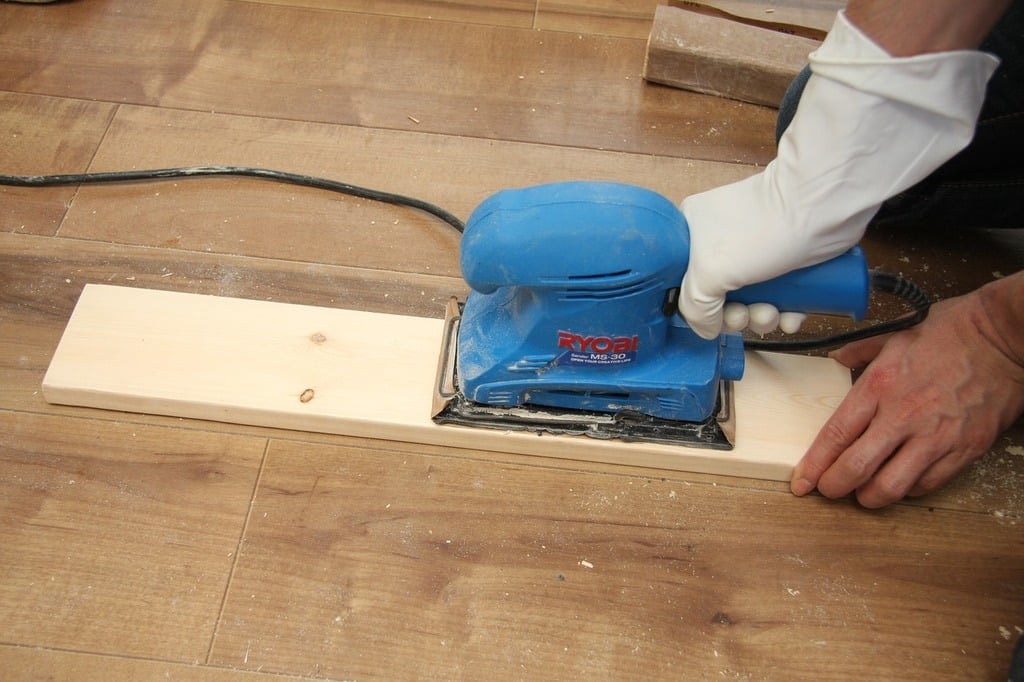
This job demands hands, knees, and eyeballs. Sanding wood floors to a smooth finish takes judgment, balance, and adaptability, skills no algorithm can fake.
Microsoft gave it an AI Applicability Score of 0.00, and with only 5,070 workers nationwide, it’s a highly specialized role. Salaries run from $37,000 to $65,000, and earlier this year, Stacker ranked it #15 on the list of America’s Most Physical Jobs.
Orderlies: Patient-Centered Job with Zero AI Risk

Hospitals rely on orderlies for moving patients, handling urgent needs, and staying calm under pressure. You can’t automate human touch. Microsoft’s research confirms this, assigning an AI Applicability Score of 0.00.
There are around 48,710 employed orderlies, earning between $30,000 and $46,000, and AI isn’t even in the room.
Motorboat Operators: Career Out of Reach for AI Tools

This isn’t your weekend lake cruise. These operators manage vessels in complex water systems where currents, cargo, and coordination matter more than code.
With an AI Applicability Score of 0.00 and only 2,710 workers in this role, it remains niche and untouched. Annual pay typically falls between $34,000 and $62,000, and the job still runs on human instinct.
Logging Equipment Operators: Manual Job AI Won’t Replace

You can’t train a chatbot to safely fell trees on uneven terrain. Logging equipment operators handle dangerous, real-time tasks that still require human muscle and quick decisions.
Microsoft’s research backs that up with an AI Applicability Score of 0.01. About 23,720 people do this work, and they earn roughly $41,000 to $63,000 a year, no algorithm included.
Paving Equipment Operators: Field Job with Low AI Applicability

These workers operate massive paving machines in unpredictable job site conditions. Asphalt doesn’t wait for reboot times. AI scored just 0.01 on Microsoft’s scale, confirming how little overlap there is.
Around 43,080 workers currently hold these roles, and the pay typically ranges from $43,000 to $68,000.
Housekeeping Jobs: Growing Career with Minimal AI Threat

Despite all the buzz around robot vacuums, cleaning jobs still require speed, judgment, and hands-on efficiency, especially in commercial or healthcare settings.
Microsoft’s AI study gave this job a low AI Applicability Score of 0.01, and it employs a massive 836,230 people. Salaries range from $28,000 to $40,000, and Recruiter.com projects 675,110 new housekeeping jobs by 2029, showing that demand is rising, not shrinking.
Oil and Gas Roustabouts: Rugged Job AI Can’t Touch

Roustabouts work in oil fields, often in harsh, high-risk environments where machinery, weather, and judgment all collide. There’s no safe way to automate that. Microsoft’s study backs it up with an AI Applicability Score of 0.01.
The role pays between $39,000 and $67,000, and 43,830 workers still do this kind of work the old-fashioned way: with grit and gloves, not code.
Roofers: Skilled Labor Career Safe from AI Disruption

Fixing and replacing roofs isn’t just physical, it’s dangerous, weather-sensitive, and full of variables AI can’t predict. That’s why Microsoft gave this job an AI Applicability Score of 0.01, indicating almost no overlap with AI tools like Copilot.
With 135,140 people working in roofing and pay ranging from $40,000 to $66,000, it’s one of the largest “safe” skilled trades in the country.
Gas Compressor Station Operators: Technical Role, Low AI Risk

Operating high-pressure gas systems isn’t something you outsource to AI. These roles involve monitoring gauges, responding to emergencies, and managing mechanical infrastructure in real time.
Microsoft’s study reflects that with an AI Applicability Score of 0.01. Only 4,400 people hold these jobs nationwide, earning between $56,000 and $89,000, proof that not all low-risk jobs are low-paying.
Roofer Helpers: Support Job Not at Risk of AI Automation

Helping roofers means hauling materials, setting up ladders, and adjusting tools on the fly. AI can’t strap on a harness or decide when the weather’s too risky to finish a job.
With an AI Applicability Score of 0.01 and just 4,540 workers in the field, this job stays fully human. The pay runs between $32,000 and $45,000, with job stability built into its hands-on nature.
Tire Builders: Manufacturing Role with Human Oversight

Building tires still involves a mix of automation and manual precision. Human workers oversee quality, adjust for defects, and coordinate the flow, all things AI isn’t ready to take over.
Microsoft’s research gave it an AI Applicability Score of 0.01. The job employs about 20,660 people, with salaries ranging from $39,000 to $65,000.
Surgical Assistants: Operating Room Job Still Requires Humans

In the OR, assistants are responsible for anticipating surgeon needs, handling instruments, and reacting instantly to complex situations. AI can’t replicate the human element or the sterile coordination this job requires.
Microsoft scored it just 0.01, reflecting minimal AI involvement. There are 18,780 surgical assistants in the U.S., earning between $50,000 and $90,000.
Massage Therapists: Healing Career That AI Can’t Mimic

There’s no AI replacement for intuition, touch, and physical feedback, especially when it comes to pain relief and healing. That’s why Microsoft’s study gave massage therapy a low AI Applicability Score of 0.01.
With 92,650 therapists currently working and salaries between $42,000 and $80,000, this is one human-centered job that’s not going away.
Ophthalmic Medical Technicians: Healthcare Job AI Can’t Replace

These technicians assist eye doctors by prepping patients, handling delicate instruments, and capturing diagnostic images, tasks that require focus, training, and a steady hand.
According to Microsoft, the AI Applicability Score is just 0.01, confirming that AI tools haven’t found a role here yet. The field employs about 73,390 people, and pay typically ranges from $37,000 to $60,000.
Jobs with the Lowest AI Replacement Risk

These jobs aren’t just safe, they’re proof that some work still belongs in human hands. If AI can’t do it, automate it, or even assist with it, the role isn’t going anywhere.
That’s the thread across every career on this list. They’re physical, reactive, judgment-heavy, and completely incompatible with a chatbot.
If you’re aiming for long-term job security, this is the kind of work that still pays to learn.
🙋♂️If you like what you just read, subscribe to the DadisFIRE newsletter and be sure to follow DadisFIRE on Medium.