Skilled Jobs That Pay Well but Few People Are Training For

Older generations knew how to fix things: electrical, plumbing, engines, you name it. Now, most people under 50 can’t patch a pipe or wire a light. Things break more often, and the few who still know how to fix them are retiring fast.
In this gallery, we’ll walk through high-paying jobs no one is training for, roles facing massive shortages of skilled workers, even though they pay well above average.
👉 Click or Scroll to see the jobs that still pay, still matter, and desperately need someone to show up.
Table of Contents
Skilled Trade Shortages Are Creating High-Paying Gaps

The jobs are out there. In the AGC workforce survey, 94% of construction employers said they’re struggling to hire. The real issue is that fewer people are learning the skills, even as demand keeps rising.
Every job in this gallery pays well above the U.S. median wage of $48,000, according to the Bureau of Labor Statistics.
Many exceed $100,000 with experience, overtime, or business ownership. In high-cost areas, wages are even higher to stay competitive.
You don’t need a degree to earn good money. You just practical skills, hands-on training, and a willingness to do work others avoid.
👉 Keep reading to see the high-paying careers almost no one is training for.
Basic Electrical Jobs Still Pay, If You Know How to Do Them

Replacing ceiling fans, wiring light fixtures, or swapping outlets used to be basic homeowner skills. Now, most people won’t touch anything electrical, and that’s where the opportunity is.
Electricians doing residential work typically start around $60,000, while seasoned pros can earn $90,000 or more. Those who go solo or run a crew can easily pass the six-figure mark, especially with steady client demand.
We also made this related Video: 17 Skills Dads Used to Teach That Now Cost Young Adults Real Money
HVAC Tech Shortage Means High Pay and Job Security
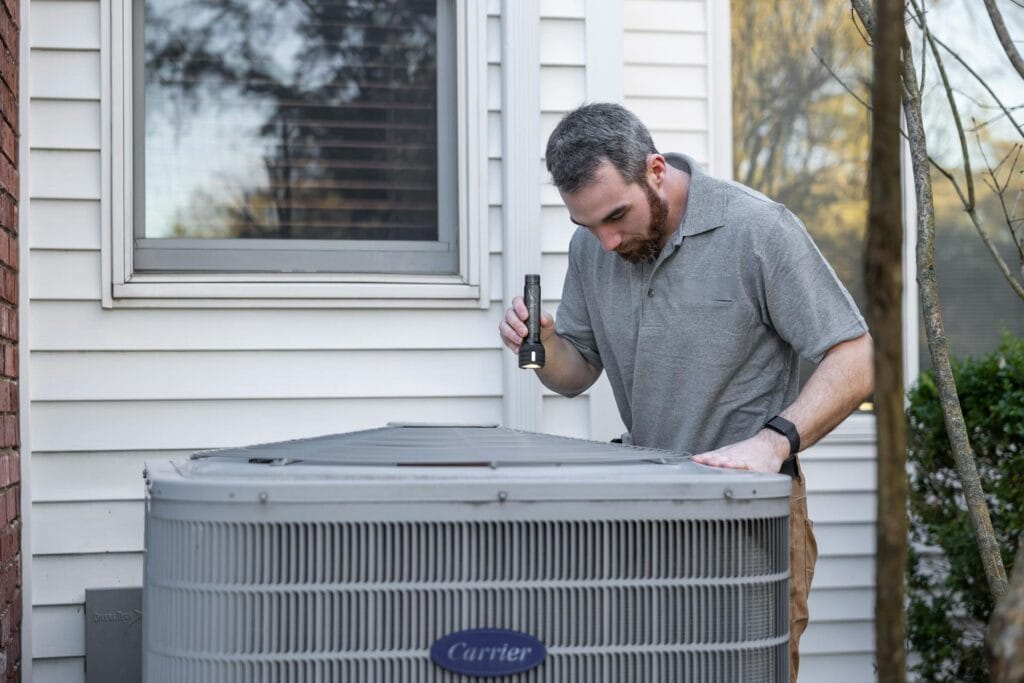
Heating, ventilation, and air conditioning systems need constant servicing, especially in extreme weather. But HVAC techs are leaving the industry faster than they’re being replaced, and training programs aren’t filling the gap.
The U.S. is currently short more than 110,000 HVAC technicians, with roughly 25,000 leaving their company every year, according to a recent report.
New techs usually start around $60,000, but experienced HVAC pros can bring in over $120,000 annually, and well beyond that for those who own service companies.
Wind Turbine Techs Are in High Demand, But Few Are Trained

Wind energy is booming, but the industry is struggling to scale because there aren’t enough people to install and maintain the turbines. Wind techs work in remote areas, climb hundreds of feet, and troubleshoot systems under real pressure.
McKinsey & Company says the global renewables industry will need 1.1 million more blue-collar workers by 2030 to meet net-zero goals. New wind techs typically earn around $60,000, while experienced ones can make $100,000 or more, and significantly higher if they run their own crew or contract company.
Elevator Repair Jobs Pay Over $100K and Need New Talent
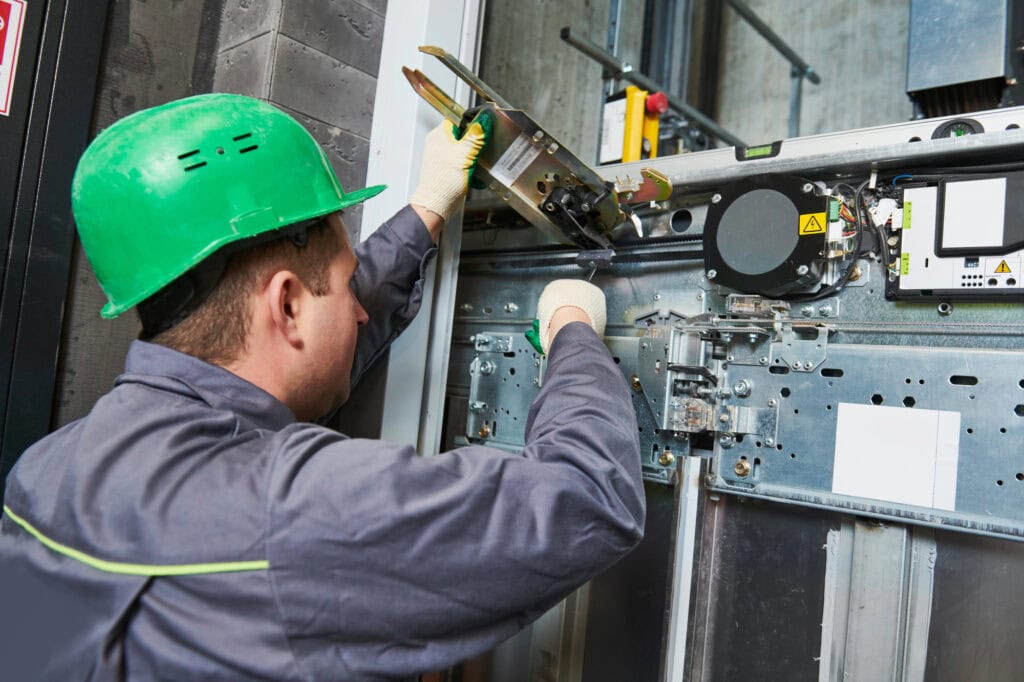
Elevator installers and repairers are aging out. As more cities build up and vertical real estate increases, these roles have become essential, and dangerously understaffed.
New elevator techs usually start at $80,000, while union-backed veterans earn $130,000 or more. Emergency call specialists and independent contractors often bring in even higher totals.
20 High Paying Jobs ($100K+) That Don’t Require a Degree. They’re Hiring Now
Appliance Repair Jobs Are Growing And Pay Better Than You Think

Modern appliances are sleek and complicated, but that also means they break more often. And when they do, there aren’t enough trained techs to fix them. Replacing a refrigerator compressor or repairing a smart washer isn’t DIY work anymore.
According to the Association of Home Appliance Manufacturers, more than 52,000 new appliance technicians could be needed in the next five years. Starting techs earn about $55,000, while top earners easily hit $90,000 or more, especially those who go independent or own a local repair service.
Lineworkers Keep the Grid Alive, And They’re in Short Supply
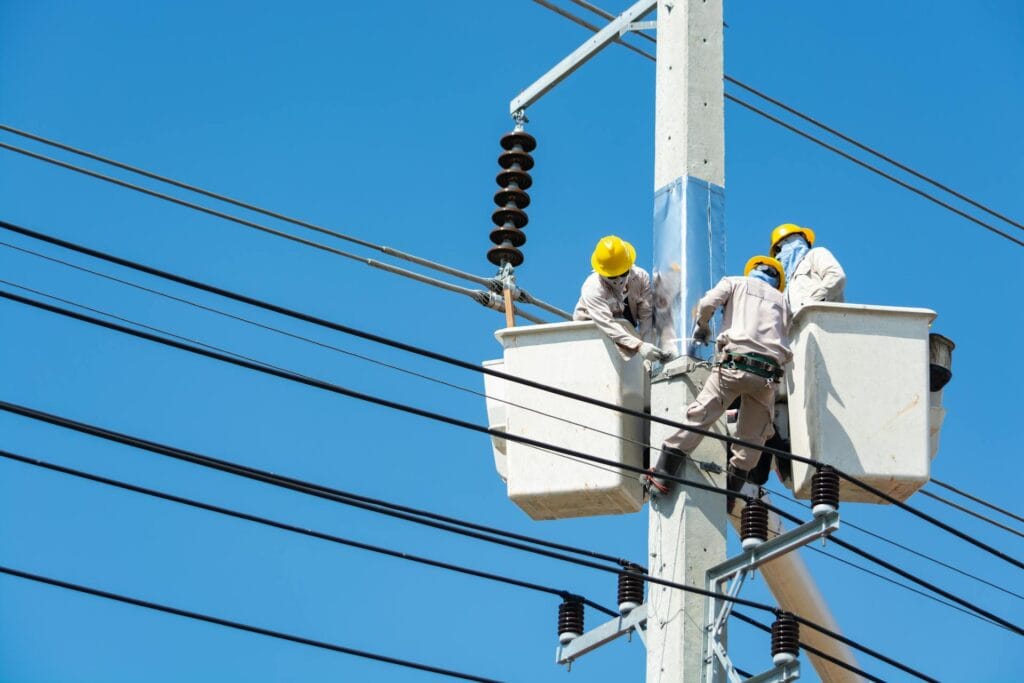
America’s electric grid is aging. So are the workers who climb poles after storms, troubleshoot faults, and make sure power actually reaches your house. Lineworkers do dangerous, high-skill work, but the talent pool is thinning fast.
Utilities across the country report staffing issues, and retirements are picking up speed. Entry-level lineworkers start around $80,000, while veterans often earn over $120,000 with overtime. Some union contracts push total compensation well past that, and contract crews can clear even more.
16 Dangerous Jobs That Pay $100K or More
Machinists Are Critical to Manufacturing, And Hard to Replace
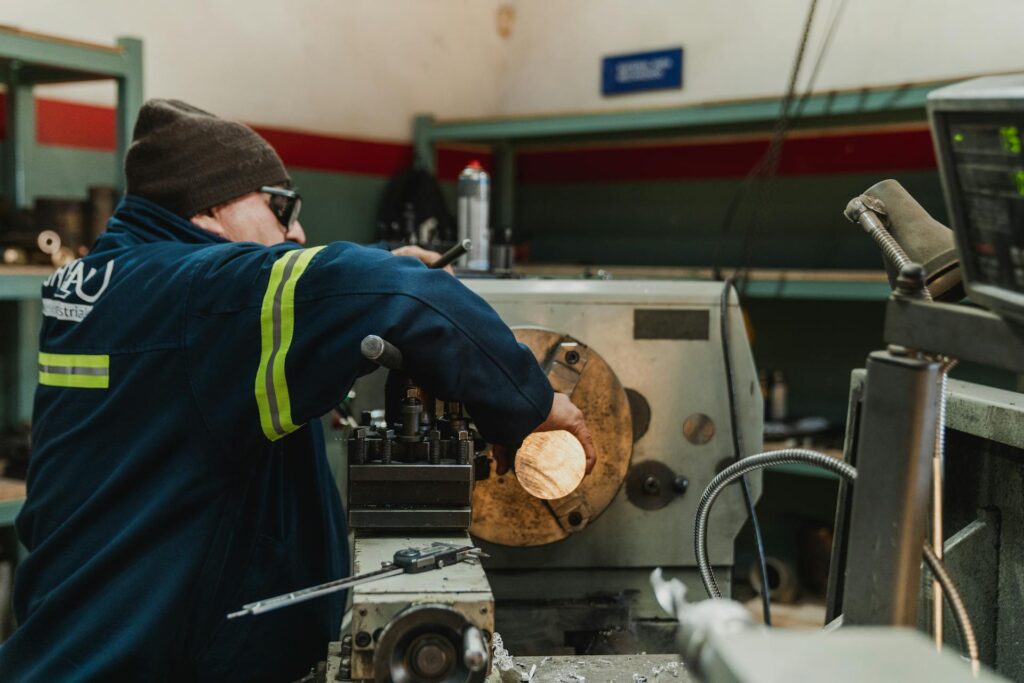
Precision machinists build the parts that keep everything running, engines, planes, tools, and robotics. It’s a hands-on skill that blends metalwork and digital programming, but few younger workers are entering the field.
The pipeline of trained machinists is drying up fast, especially as older workers retire. Starting pay is around $55,000, while master-level machinists can make $100,000 or more. Own a shop or take on aerospace clients, and the numbers go even higher.
🙋♂️If you like what you are reading so far, subscribe to the DadisFIRE newsletter and follow DadisFIRE on YouTube.💪
Industrial Electricians Are Aging Out, Wages Are Climbing
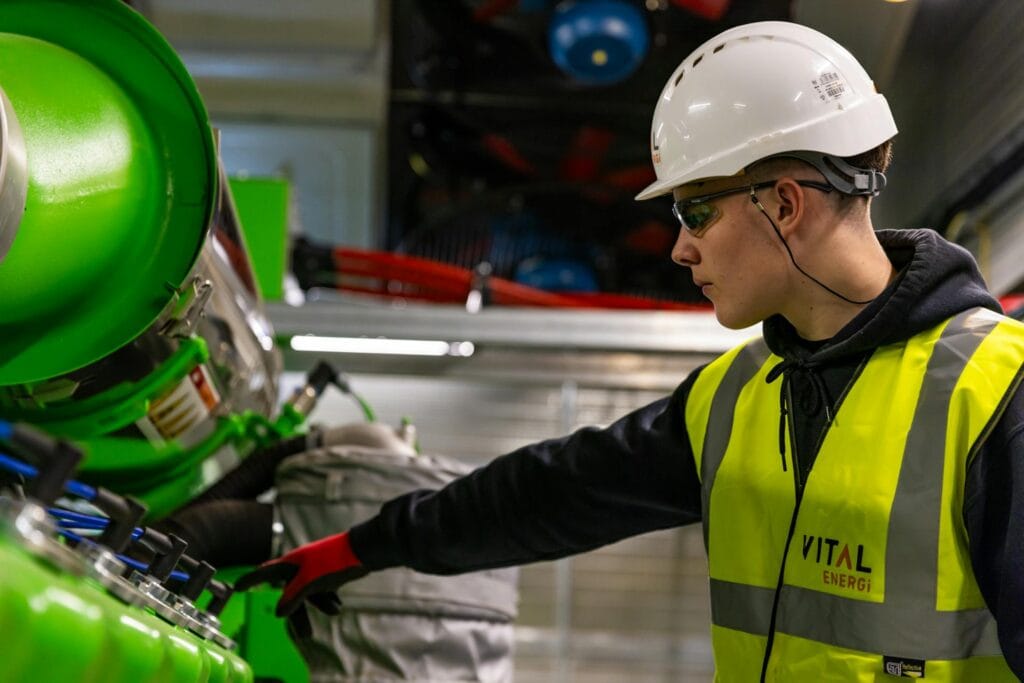
Automation, robotics, and modern manufacturing all run on electrical systems. But the industrial electricians who keep factories running are retiring, and new talent isn’t stepping in fast enough. Fewer young workers are entering apprenticeships, and most people don’t realize how much these jobs pay.
Forbes reports over 1 million trade jobs are sitting unfilled, 500,000 of them in manufacturing alone. Entry-level pay sits around $65,000, with experienced electricians bringing in over $100,000.
Business owners and those with specialized licenses often make well beyond that.
Building Automation Jobs Are Growing, But Few Are Trained
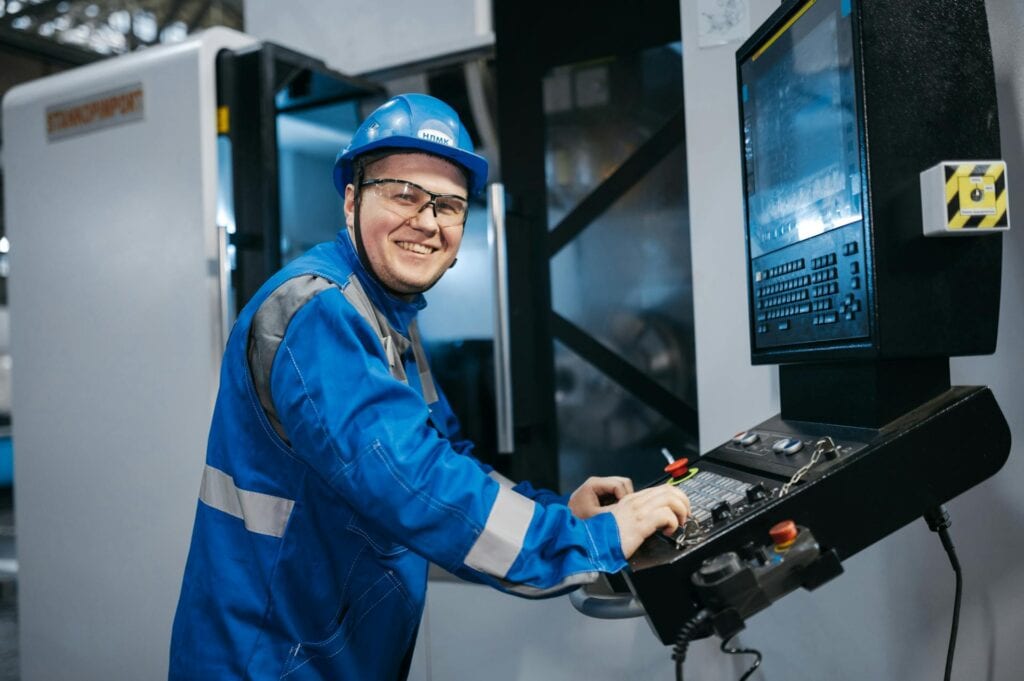
Modern buildings are controlled by complex systems, lighting, climate, energy, all managed by automation. But these systems still need humans to program, maintain, and troubleshoot.
Building automation specialists start around $75,000, but senior techs with experience in HVAC integration or advanced systems can make $110,000 or more. As green buildings become the standard, these skills will only become more valuable, and more profitable.
19 Ways to Make Money in Real Estate Without Owning Property
Mining Jobs Are Vanishing as America’s Workforce Retires
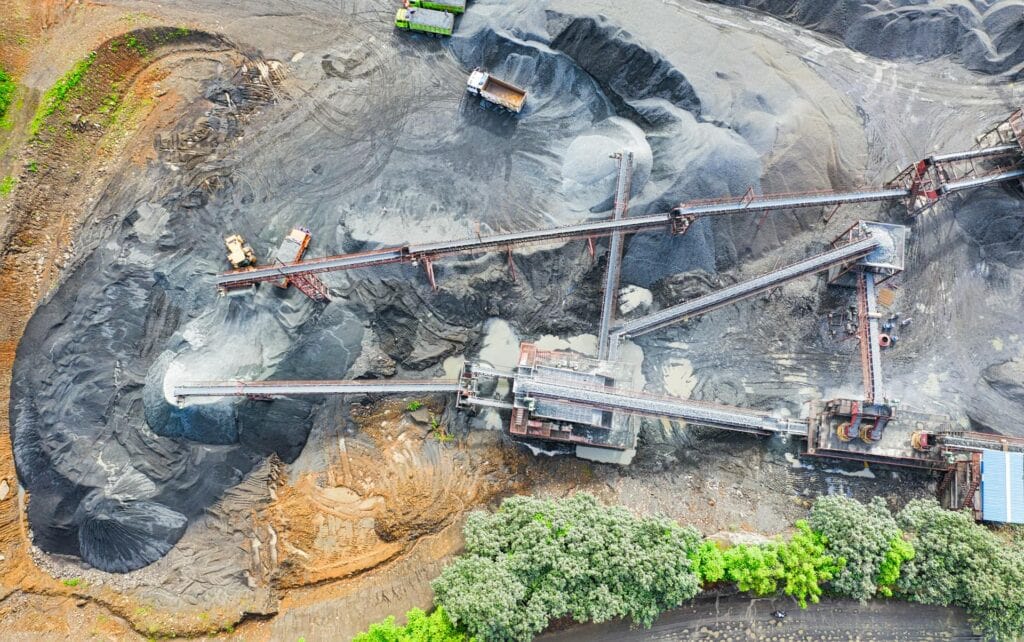
Mining may not be glamorous, but it’s still the foundation of everything, construction to electric vehicles. The trouble is, no one’s stepping in to replace the miners who are retiring in droves.
The Society for Mining, Metallurgy & Exploration reports that more than half of the nation’s mining workforce, about 221,000 workers, is expected to retire by 2029. New miners typically earn around $75,000, while experienced drillers and crew leaders can make over $110,000. Those who run small operations in high-demand mineral zones? Sky’s the limit.
Plumbing Jobs Are in Demand But Few Are Training for Them
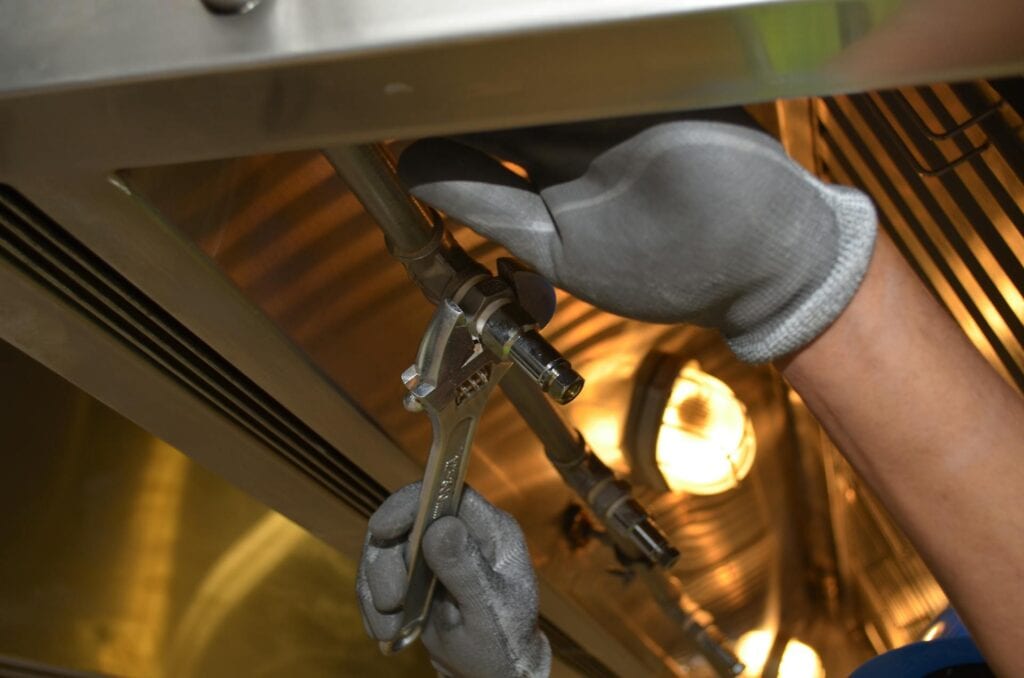
Plumbing isn’t glamorous, but it’s always essential. Pipes crack, drains clog, water heaters fail, and someone has to fix it. Most younger workers avoid the trade, which is exactly why the people who do it are making serious money.
New plumbers usually start around $60,000, while top earners can reach $100,000 or more. Master plumbers and those who run their own businesses often bring in significantly more.
Young Adults Are Searching for Life Skills They Were Never Taught
Geothermal Jobs Are Growing, But Training Is Lacking
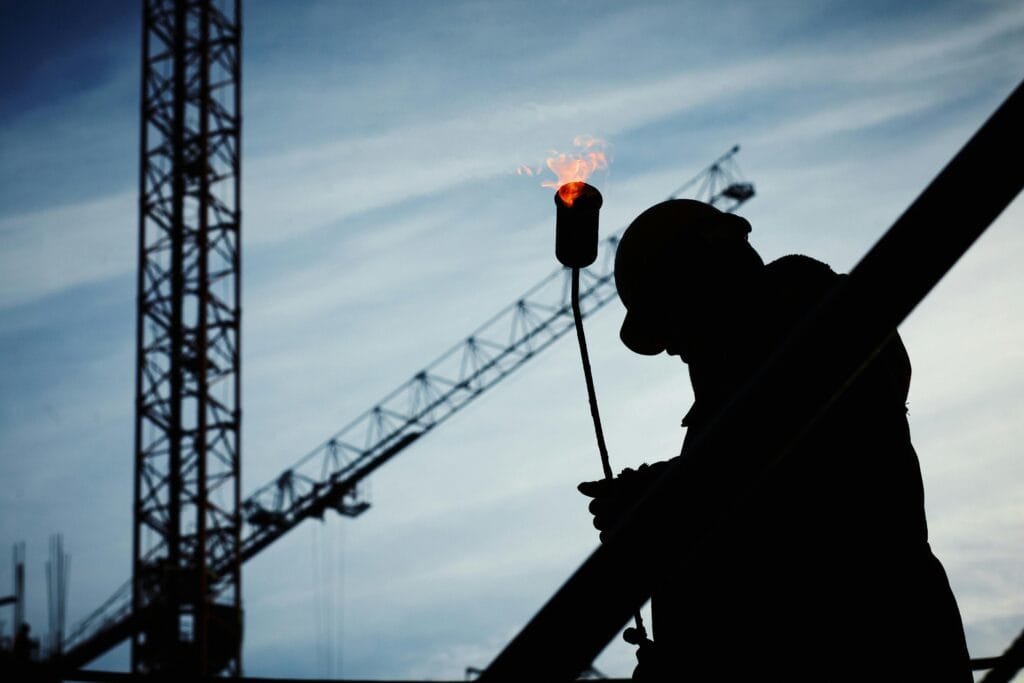
Geothermal energy is one of the most stable and sustainable power sources, but it’s almost invisible to the general public. That invisibility extends to job training, too.
Entry-level geothermal techs earn about $55,000, while those with experience in design, drilling, or installation can pull in over $85,000. Own a contracting company in the space, and you’re looking at a whole different tier of income.
Clean Water Requires Skilled Operators, Especially in Rural Areas

Water treatment plants don’t run themselves. Operators monitor chemical levels, inspect equipment, and ensure safety standards are met. But retirements are accelerating, especially in smaller towns.
New operators usually start around $55,000. Veterans or those with multiple certifications can earn up to $85,000, and supervisors or regional consultants often make more.
19 Licenses and Certifications You Can Get Without a Degree
Heavy Equipment Techs Needed, Thousands of Roles Going Unfilled
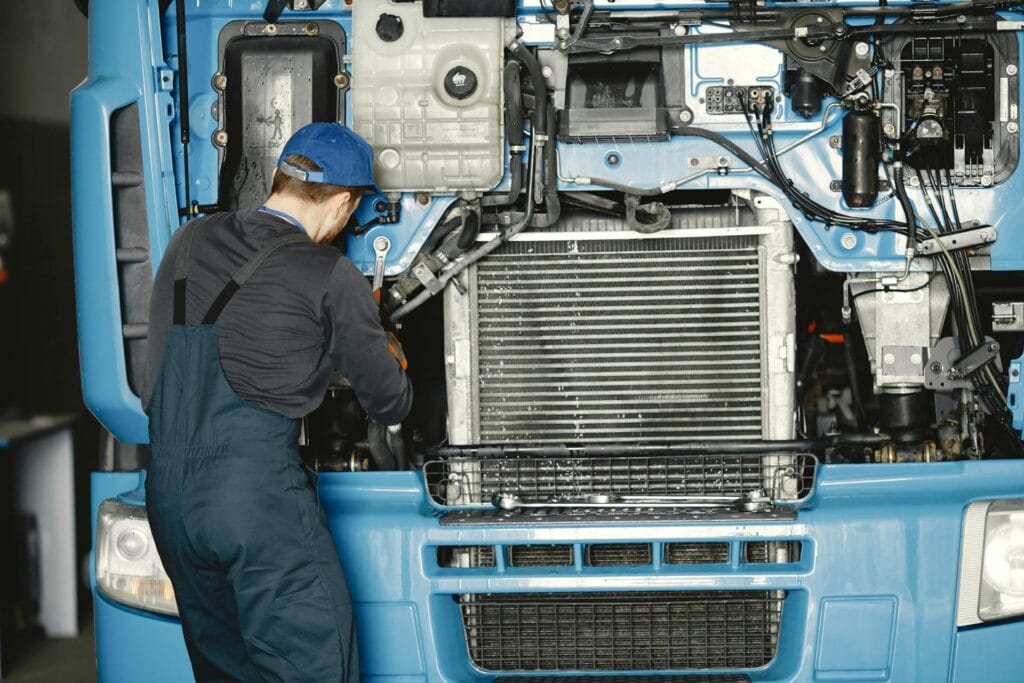
Bulldozers, forklifts, and other heavy machines all need regular care, and skilled techs who know how to keep them running. Most schools no longer teach basic engine work, and fewer people grow up learning how to fix machinery. That’s created a huge workforce gap.
According to the AED Foundation, the U.S. will need around 73,500 heavy equipment technicians in the next five years. Starting pay is typically $60,000, but seasoned techs can pull in $95,000 or more, especially those who work in mining, oil, or remote field service. If you own the repair operation, the ceiling’s even higher.
Solar System Designer Jobs Pay Well and Lack Workers
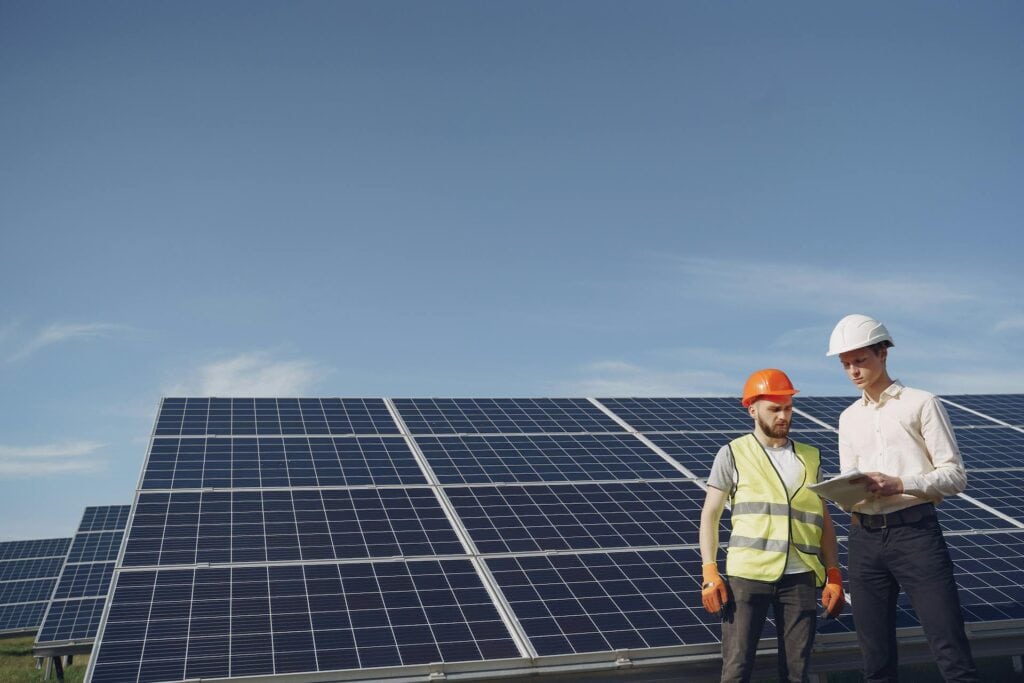
Installing panels is physical work. Designing the system, sizing it correctly, and handling permits? That takes real technical skill. But most of the focus has been on the installer side.
Solar PV designers typically start around $70,000, but with experience and specialization, earnings can climb past $110,000. Start your own design and install shop, and you’re writing your own paycheck.
15 Typical Jobs of Millionaires Without Degrees
SCADA Technician Roles Are Undervalued and In High Demand
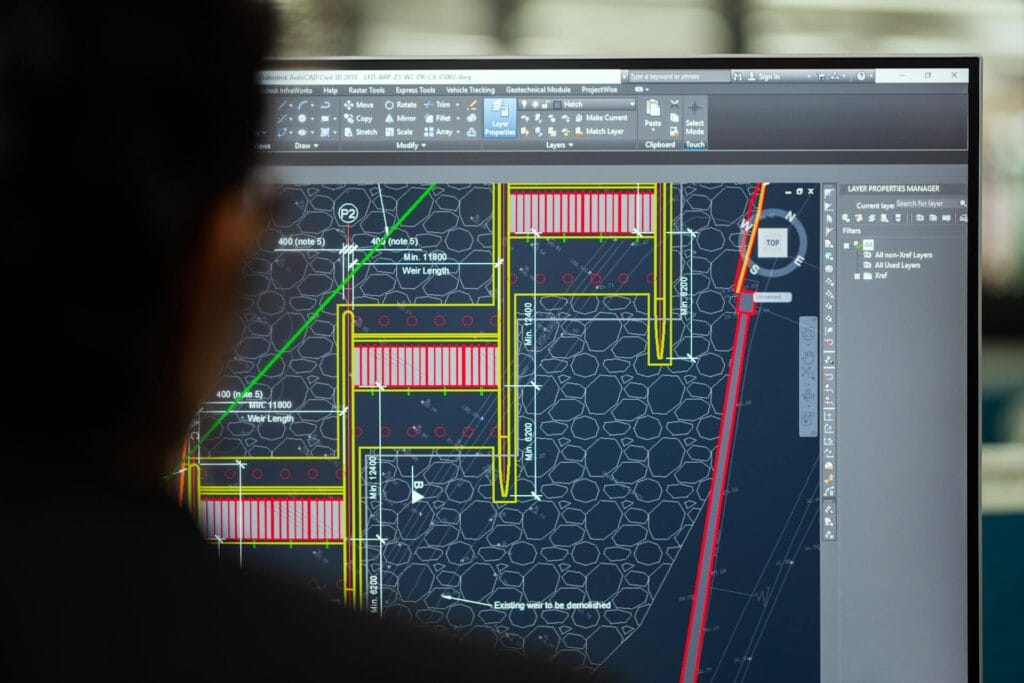
SCADA (Supervisory Control and Data Acquisition) systems are used in water, energy, and manufacturing. They control everything behind the scenes, but they don’t run on autopilot.
Most SCADA techs begin around $75,000, but top-tier roles can pay $115,000 or more, especially in utilities or high-risk industries. Those who consult across facilities or own automation service firms can earn well above that.
High-Paying Jobs You Can Train For, But Few Do

Everyone wants remote work or startup equity, but there’s still real money in doing work that actually matters. These high-paying jobs don’t need a fancy degree, just skills most people never bothered to learn.
The pipeline is drying up, the pay keeps going up, and the work isn’t going anywhere. If you’re willing to train for what others avoid, you’ll have more security than any office gig can promise.
Skip the hype, these jobs still pay, and they always will.
🙋♂️If you like what you just read, subscribe to the DadisFIRE newsletter and follow DadisFIRE on YouTube. 💪 Also be sure to follow DadisFIRE on Medium💰