Places We’re Now Pressured to Leave a Tip, But It’s Optional
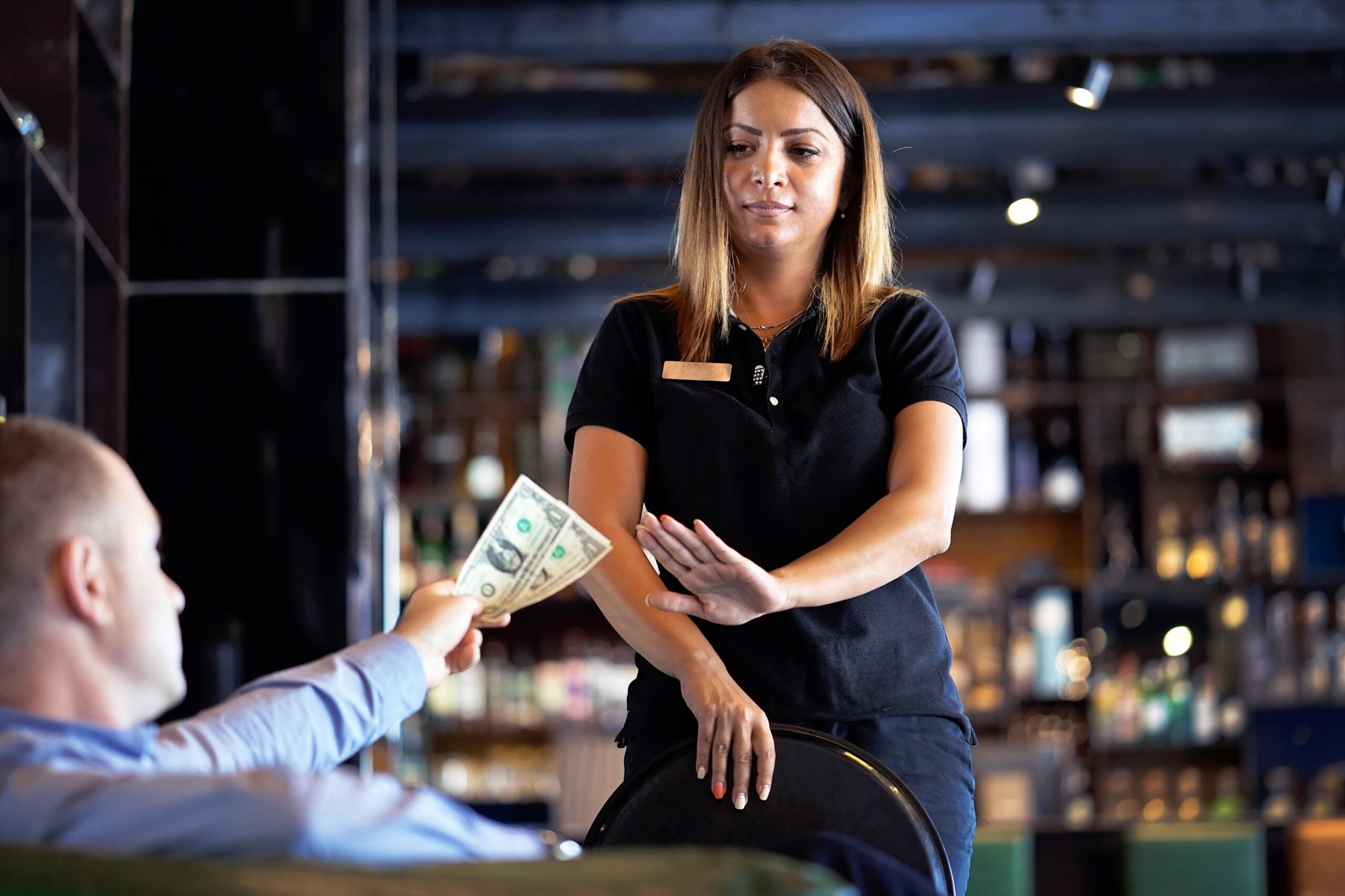
Tipping was once a simple way to show appreciation for exceptional service at restaurants or hotels. Now, prompts to add 20%, 25%, or more are showing up almost everywhere. Even in self-checkout kiosks.
A recent USA Today survey found that 63% of respondents believe tipping requests have become too common, and nearly half say they’re tired of it. What began as a gesture of gratitude has, in many places, turned into an expectation.
👉 Click or scroll through to see where tipping has become common, even though it’s still optional in most situations.
Table of Contents
Fast Food Restaurants
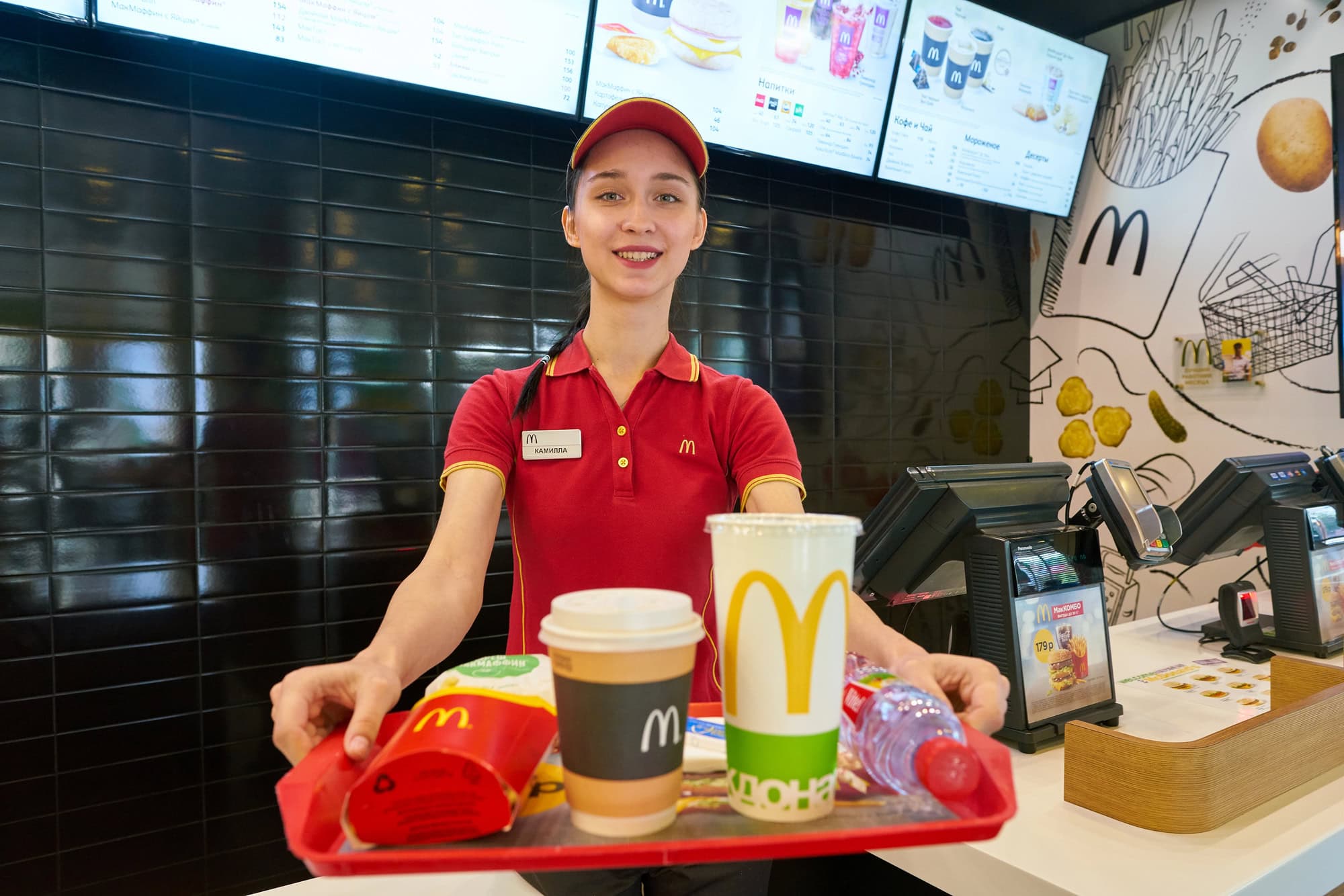
Fast food was once about speed. Customers would place an order, pay, and be on their way. Now, tip jars and payment screens with preset percentages are appearing at more counters, nudging customers toward leaving extra.
The National Restaurant Association reports digital tipping prompts have risen sharply since 2021, even in quick-service locations.
Self-Checkout Machines

Now even self-checkout kiosks are asking for tips. Customers do all the work, yet a gratuity prompt appears at the end.
If there’s no employee directly assisting with the transaction, what exactly is the tip for? The expectation to pay extra on a fully automated process makes little sense.
It turns a convenient option into another moment of hesitation at the register.
Coffee Shops
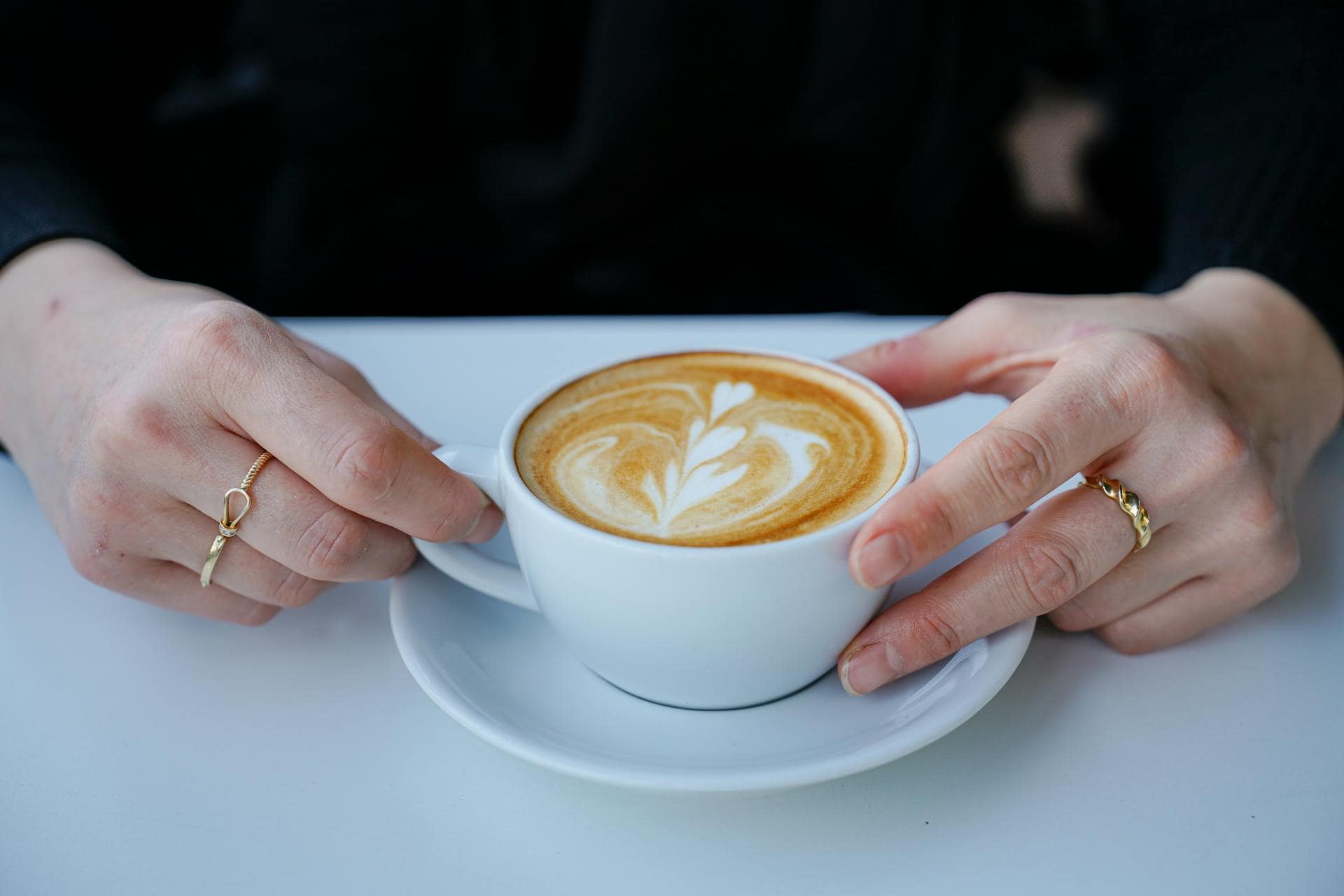
Ordering coffee has turned into a split-second decision about gratuity. Whether you’re grabbing a latte to go or staying for hours, many cafés now prompt for 15%, 20%, or more before you even take a sip.
Square, the payment processor, reported coffee shop tips climbed by nearly 17%. It has even climbed for orders with no table service.
Food Trucks
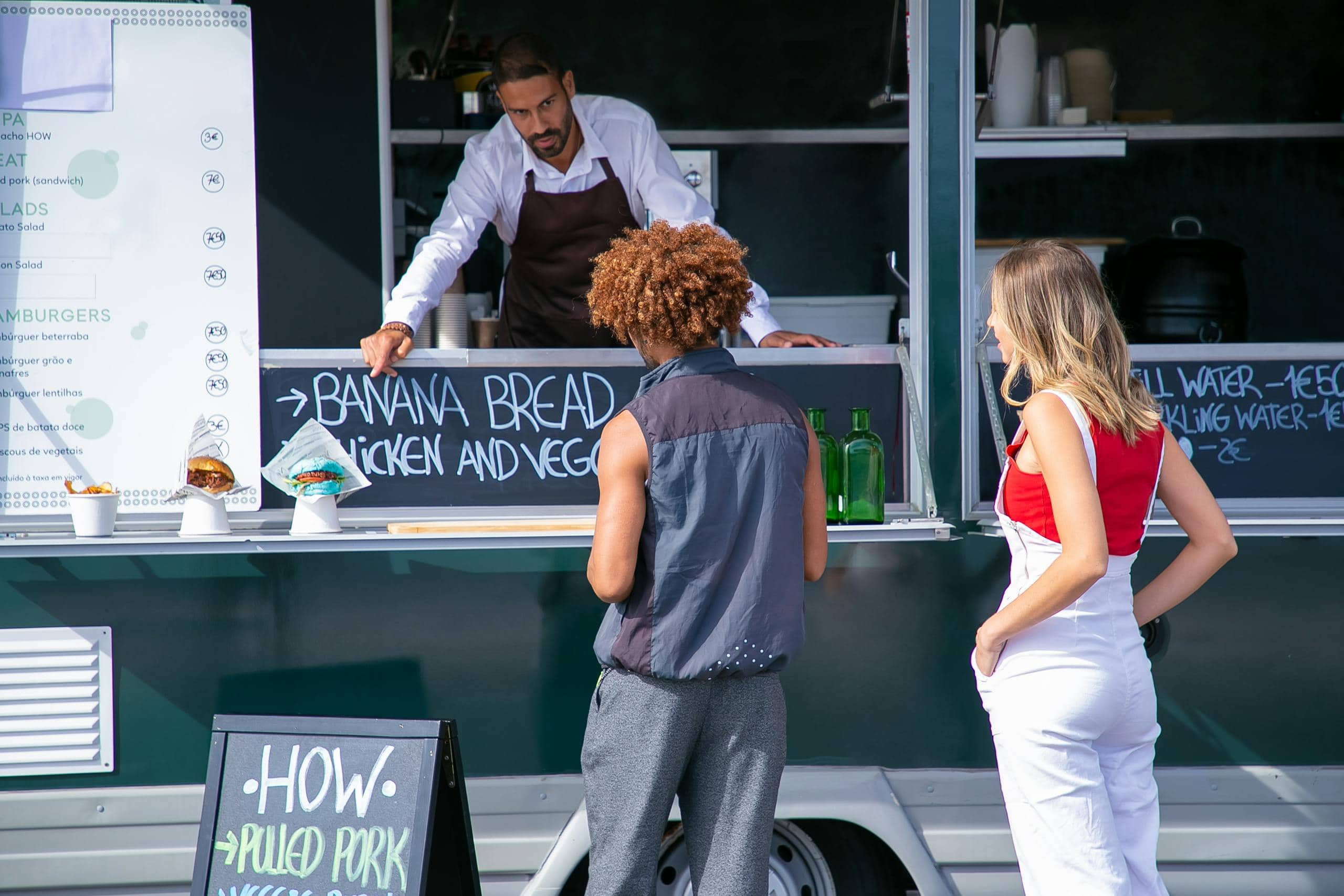
Food trucks began as a casual, affordable alternative to restaurants. The customer would walk up, order, and enjoy their meal on the go. But now, nearly every truck’s card reader offers preset tip suggestions, sometimes as high as 25%.
For many customers, the quick exchange for a burger or taco now comes with the same tipping prompts as a full-service meal
Ice Cream Shops
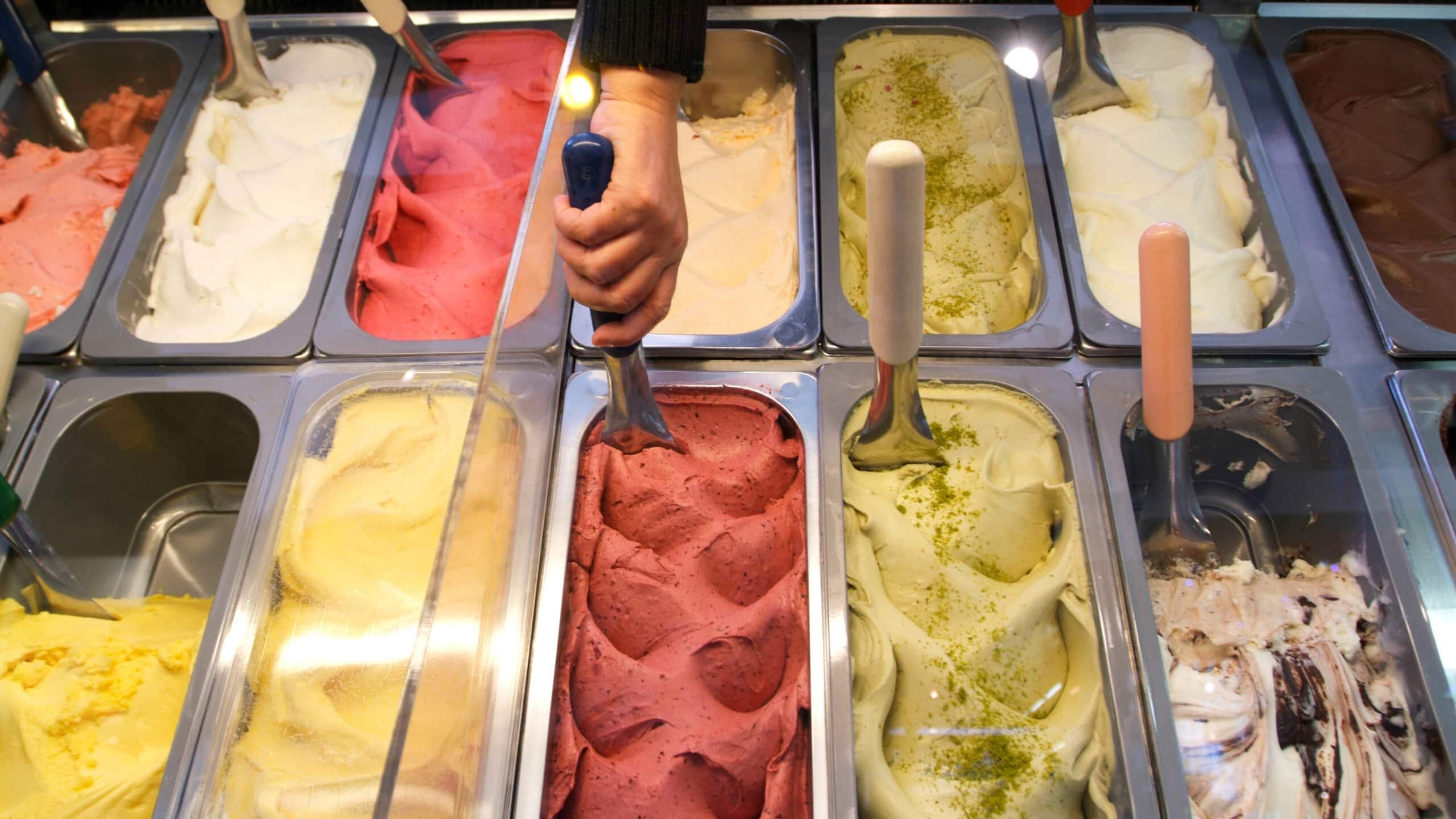
A simple ice cream stop now often includes a decision about tipping. Some shops still use the traditional jar on the counter, while others use touchscreens that ask for a percentage before you can pay.
In some cases, customers even serve themselves, yet still face a request for gratuity at checkout. It’s a small moment that can make a cone feel pricier than the menu suggests.
🙋♂️If this is interesting, follow DadisFIRE on Medium, then hit like to see more articles on financial freedom, personal finance, and smart money moves.💪
Takeout Restaurant Orders
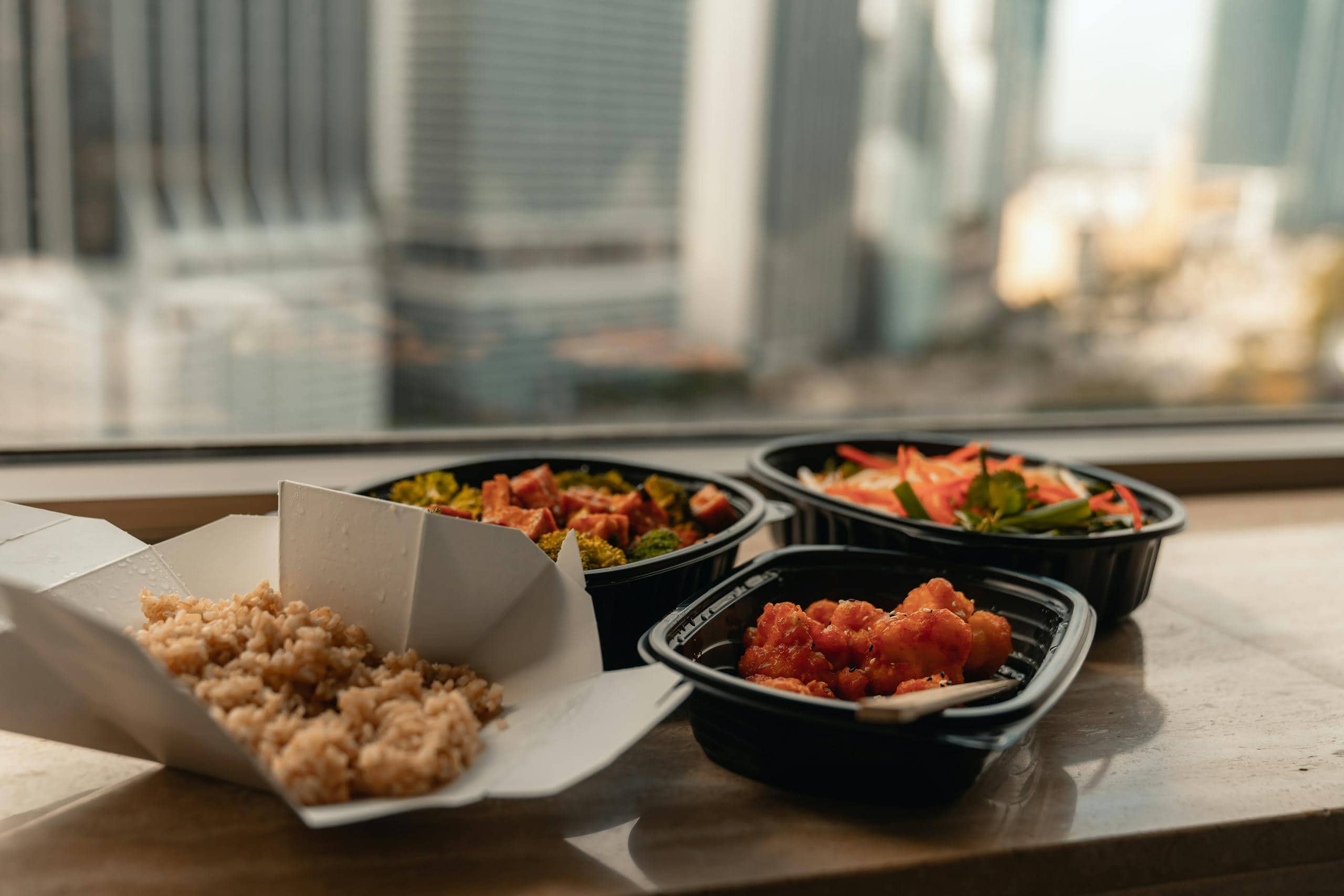
Picking up takeout used to be a quick, no-contact errand. We would place the order, pay, and head home.
Now, payment screens often prompt for a tip before you even grab the bag. This trend began during the pandemic and has stayed in place, even as dining returned to normal.
Rising food prices make the extra cost noticeable, leading some people to rethink how often they order carryout.
Related: Unexpected Ways Inflation Impacts Your Life: What You Should Know
Hotel Housekeeping

Tipping hotel housekeeping staff has long been common courtesy, but in recent years it’s shifted toward expectation.
Some properties now leave printed envelopes or digital reminders in the room.
While longer stays may warrant a gratuity for consistent service, many travelers question the extra charge on short visits, especially when nightly rates already include cleaning.
Pharmacies

Pharmacies are places where people go for essentials, prescriptions, over-the-counter medicine, maybe a quick chat with the pharmacist. Lately, though, some have started putting tip jars at the register, making an already expensive errand feel even heavier.
Pharmacists and cashiers are professionals who are already compensated for their expertise. Unlike in restaurants or salons, tipping here feels completely out of place.
The last thing anyone wants when picking up antibiotics or allergy meds is to feel guilty about not leaving extra change at checkout.
Valet Parking
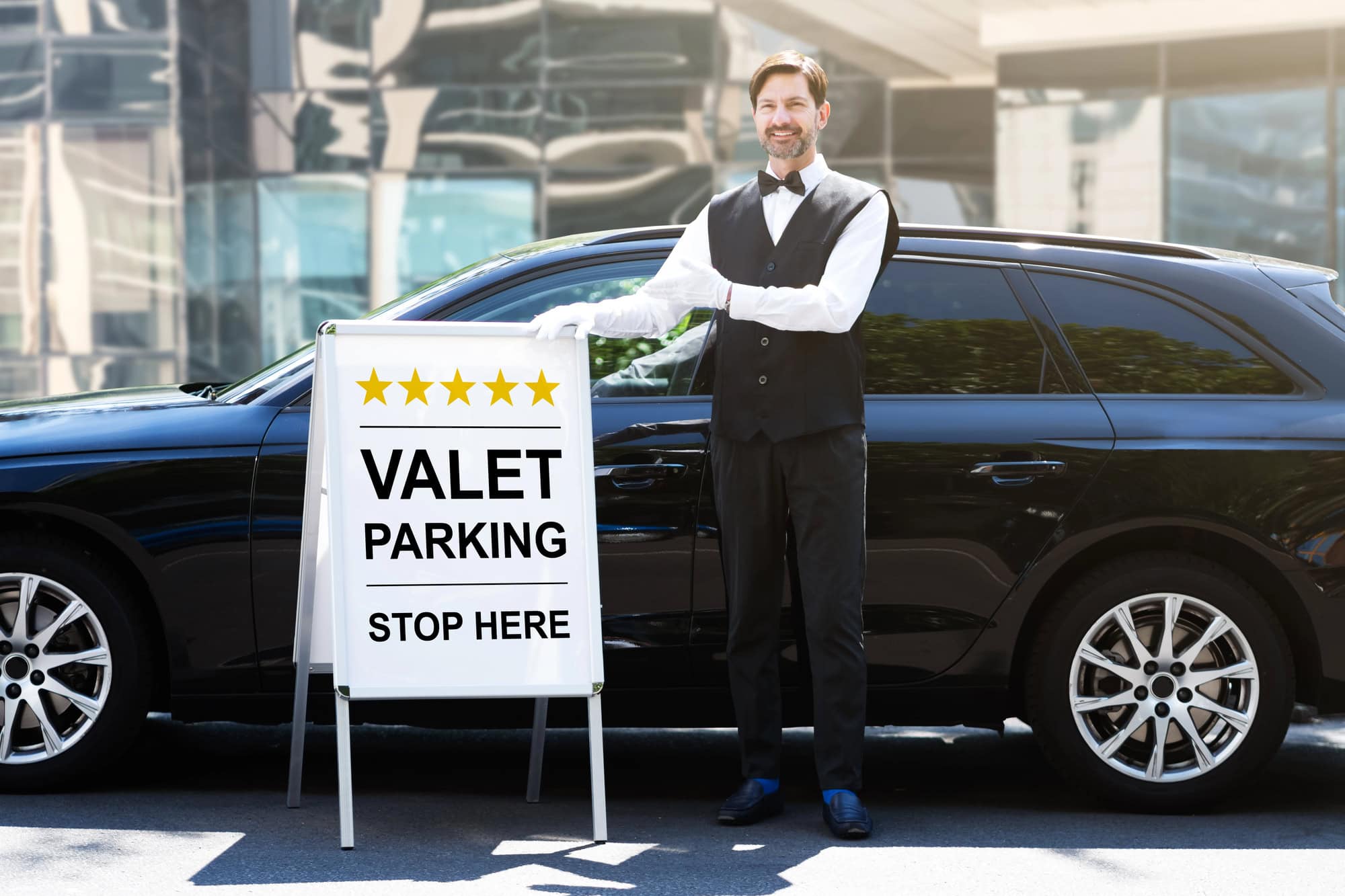
Valet service usually carries its own fee, yet a tip is still almost always expected at drop-off or pickup.
For many drivers, this double payment raises the question of why staff wages aren’t fully covered by the service charge.
The extra cost has even led some customers to skip valet altogether in favor of finding their own parking.
Related: The Tax Perks of Aging: 17 Tax Breaks You Can Claim After 50
Buffet Restaurants
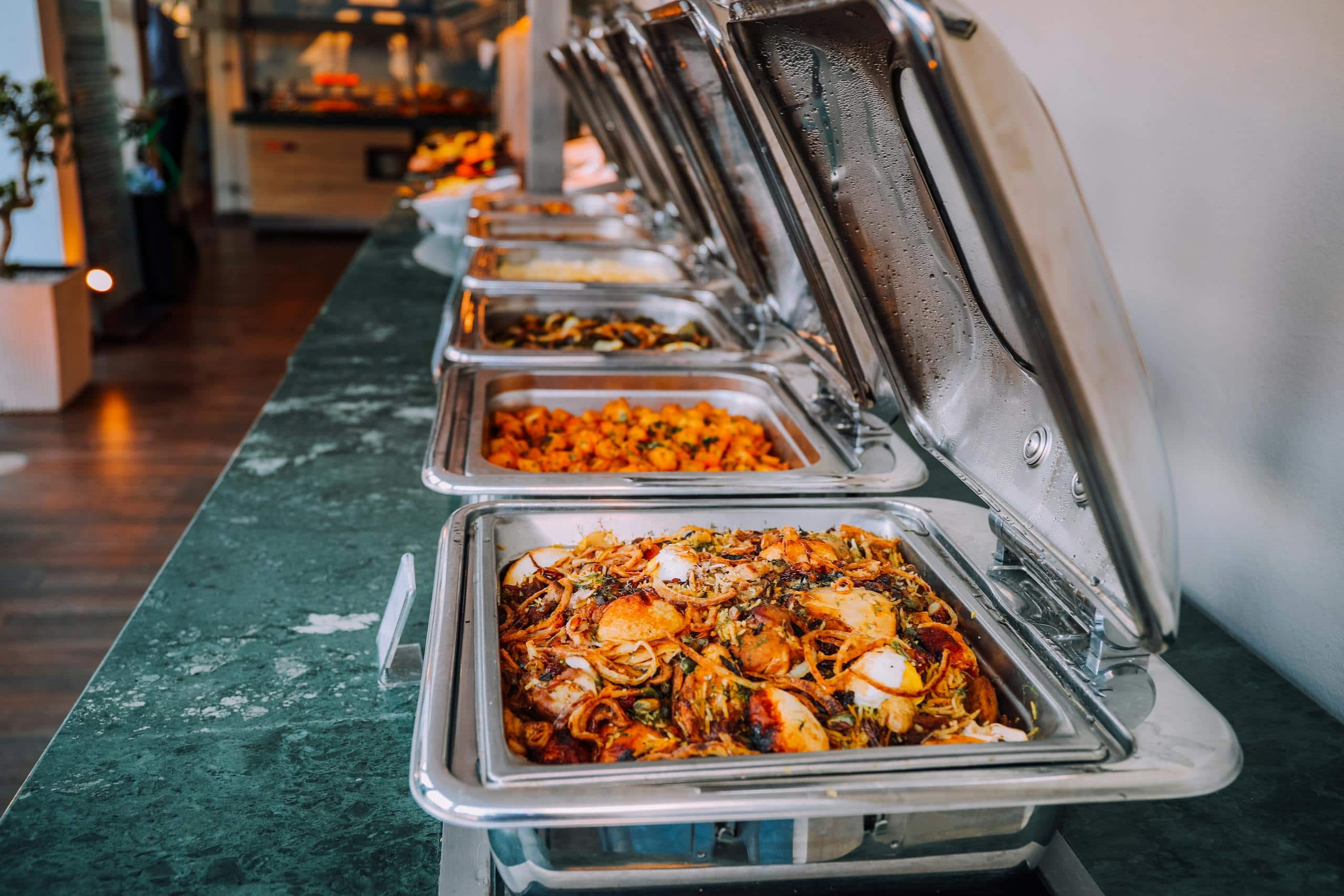
Buffets are a self-serve experience. You fill your own plate, get your own refills at soda stations, and only interact with staff when they clear your plates. Yet, the expectation to tip remains, sometimes at the same percentage as full-service restaurants.
It’s not that buffet workers don’t deserve fair pay, it’s just that the entire setup doesn’t match traditional tipping rules.
When most of the dining experience is self-directed, it’s fair to wonder if tipping should be treated the same as in a place where a server takes care of everything.
Delivery Services (Non-Food)
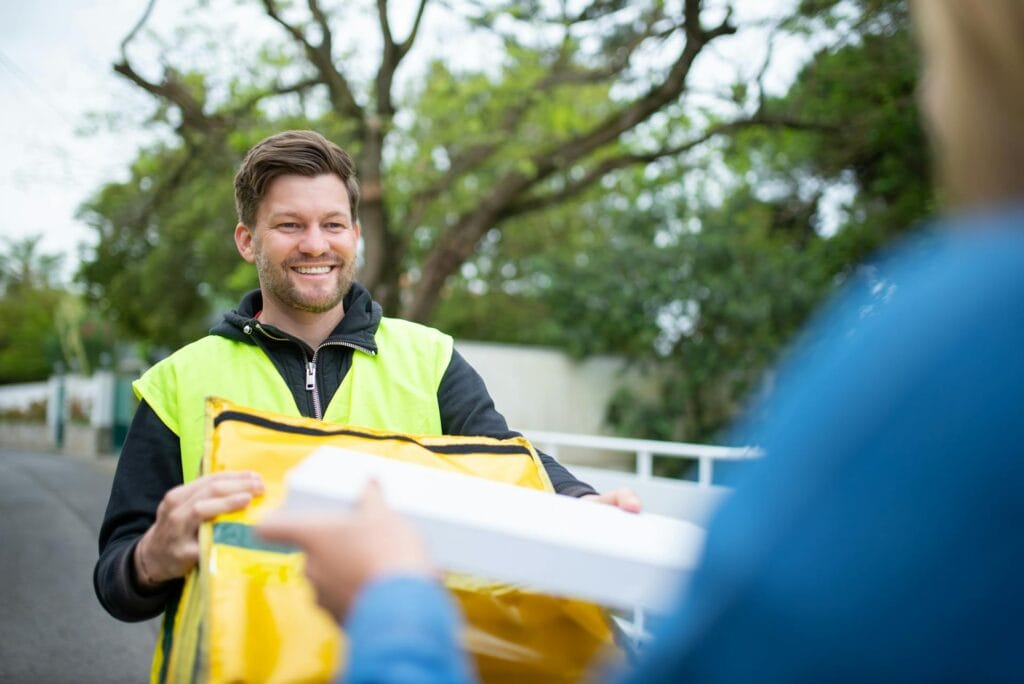
Ordering groceries, packages, or even furniture online often comes with a delivery fee. Yet, when the driver drops off your order, you’re prompted to tip.
These apps and services charge extra fees already, so where does that money go if the worker still needs tips to make a fair wage?
The rise of gig work has blurred the lines between standard wages and tip-based pay, leaving customers wondering if they’re covering the worker’s income or just adding to corporate profits.
Pet Shops
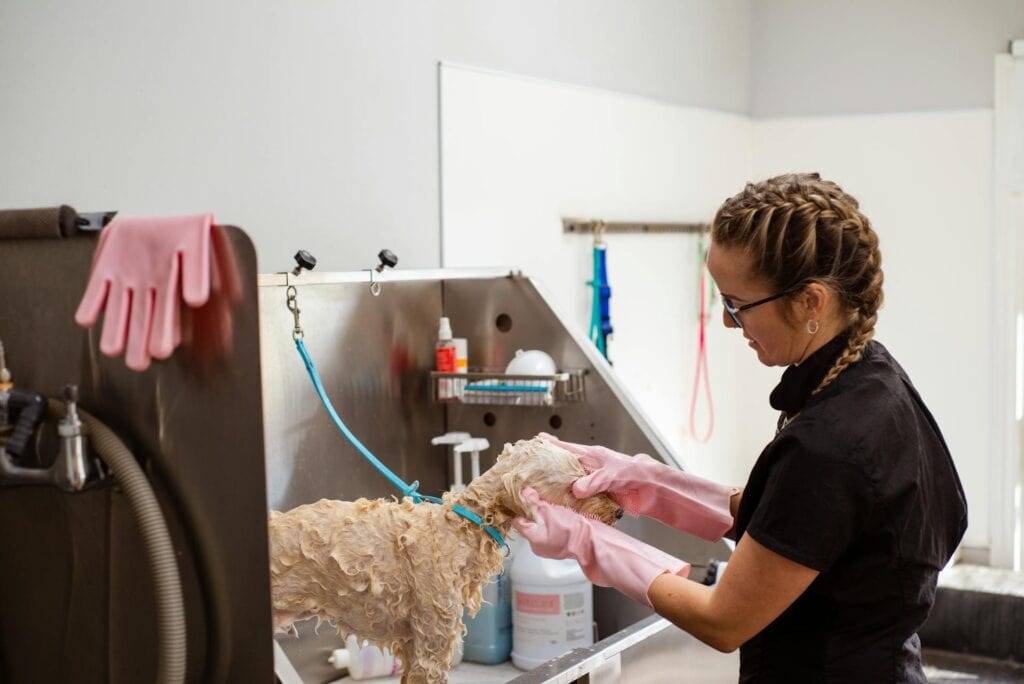
Pet grooming and specialty care already come with premium pricing, but many shops now add a tip request at checkout.
For pet owners who schedule regular grooming, the cost can add up quickly. While some gladly tip to recognize good care, others see it as an unnecessary addition to an already high bill.
Convenience Stores

Grabbing a drink or snack was once a simple, two-minute stop. Now, a growing number of convenience stores place tip jars on the counter, making customers decide whether to add to a purchase that never involved gratuity before.
For many, the change feels out of place in a purely self-serve transaction.
Gas Station Attendants

In states where attendants are required by law to pump gas, tipping has started to become expected. Since the service is mandatory, customers sometimes question why extra payment is necessary.
For travelers unfamiliar with the rule, it can be an awkward surprise when filling up.
🙋♂️If this is interesting, follow DadisFIRE on Medium.
Freelance Service Providers

Hiring a photographer, musician, or other freelance professional usually means paying a price they set themselves. Since they control their rates, tipping hasn’t traditionally been expected.
Lately, though, some freelancers have started suggesting gratuity on invoices or payment screens. This shift makes people wonder if the quoted price is the full amount or just a starting point.
If a service provider sets their own pricing, should tipping even be part of the equation?
Related: 24 Jobs That Pay Decent, But Most People Think They Are Too Good For
Repair Services

Tradespeople such as plumbers or electricians typically charge high hourly rates or flat fees.
Even so, some now include a tip prompt on digital invoices. Customers may see it as unnecessary when the work already comes at a premium.
Hair Salons and Barbers
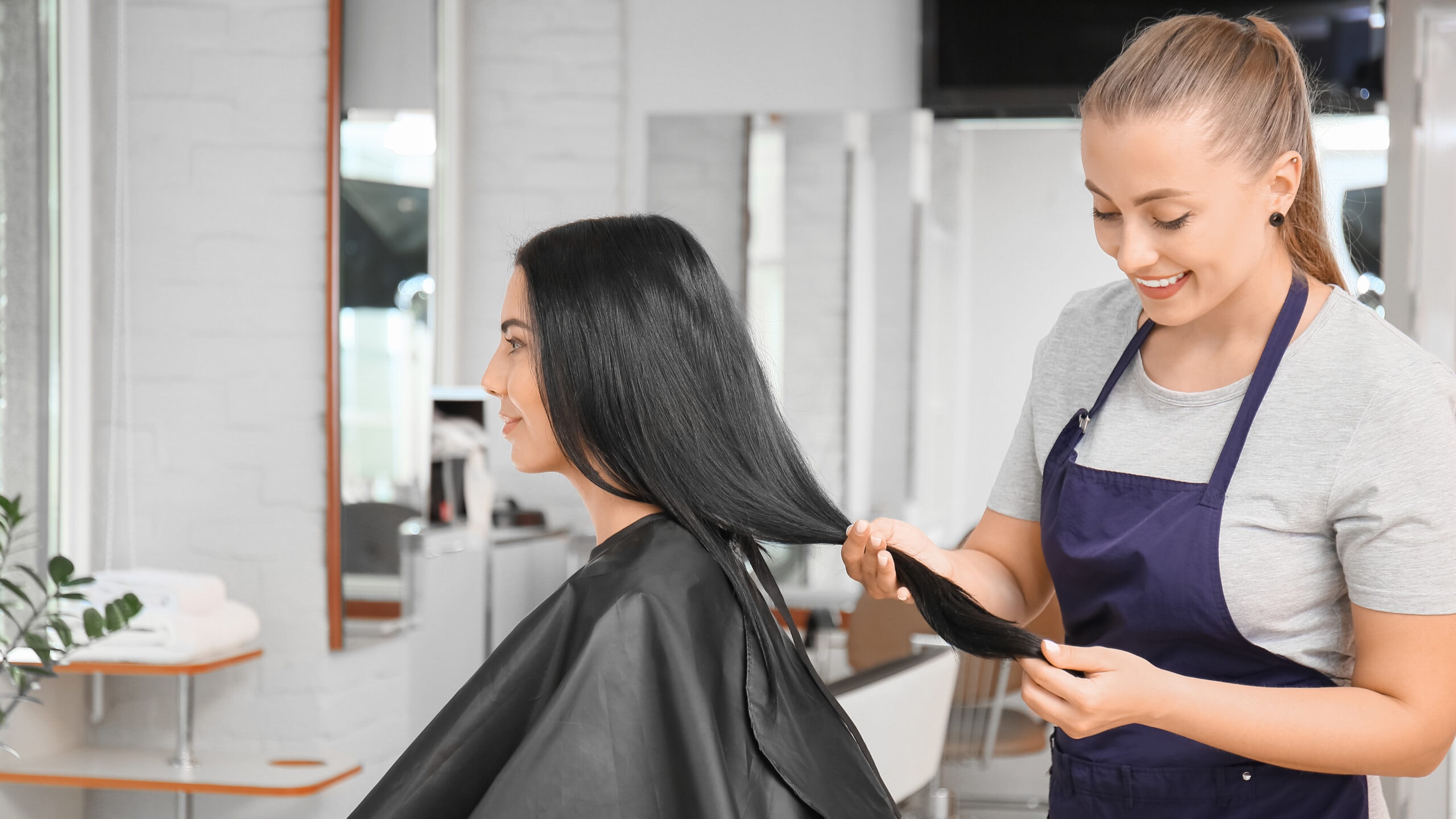
Getting a haircut already comes with a price tag that reflects the stylist’s skill and experience. Even so, tipping is treated as an unspoken rule. Many customers feel pressured to add a significant amount, especially at higher-end salons.
Some stylists rent their own space and set their own rates, so if pricing is in their control, should tipping still be expected?
The cost of grooming keeps rising, and with the push for bigger tips, many start to wonder if the listed prices should already account for fair pay.
Dry Cleaners

Dropping off clothes for dry cleaning is a straightforward transaction. The service has a set price, and there’s no direct, personalized interaction that would normally justify tipping.
Some locations have started placing tip jars on the counter, which adds an awkward moment when paying. If prices already cover the cleaning process, what exactly is the tip supposed to reward?
It turns a routine errand into another place where tipping suddenly feels expected.
Furniture Delivery

Even with hefty delivery fees, many furniture stores encourage tipping the crew. With large items already carrying premium delivery costs, the expectation of additional cash leaves some customers feeling overcharged.
Clear guidelines could help avoid the uncertainty.
Related: 13 Pieces of Really Bad Financial Advice That Many People Still Believe
Moving Services

Hiring movers is a costly service, but even after paying for their time and effort, tipping is often brought up as an expectation. The work is demanding, no doubt, but if the company is setting the rates, shouldn’t fair wages already be included?
Moving is already one of the most expensive services people pay for, so adding a hefty tip on top can make the final bill much higher than expected.
It creates another moment where customers are left second-guessing if they’re paying a fair price or just covering for a company that doesn’t want to pay enough.
Ride-Sharing Services

Ride-share apps now prompt for a tip after every trip, with suggested amounts built into the interface. This is despite fares already including service fees.
As prices fluctuate with demand, riders debate whether tipping is truly optional or simply built into the culture.
Tour Guides

Paying for a guided tour already includes the cost of the experience. Despite this, guides often expect a tip at the end, which can be an unexpected expense for travelers.
Many tourists assume the ticket price covers everything, only to find out later that tipping is encouraged. It makes budgeting for a trip more complicated and leaves visitors wondering if they should have planned for extra costs.
When the service is already paid for upfront, the tipping expectation can feel like a surprise charge.
Home Services

House cleaners, landscapers, and pool maintenance workers provide essential services that already have set rates. While tipping for occasional work has always been optional, recurring service providers are now starting to expect it.
Customers may not know if gratuity is included in the pricing or if they should add more to avoid seeming unappreciative. This uncertainty turns basic home upkeep into another situation where tipping feels required instead of optional.
Related: The Real Costs of Homeownership: 25 Expenses That Really Add Up
Grocery Stores
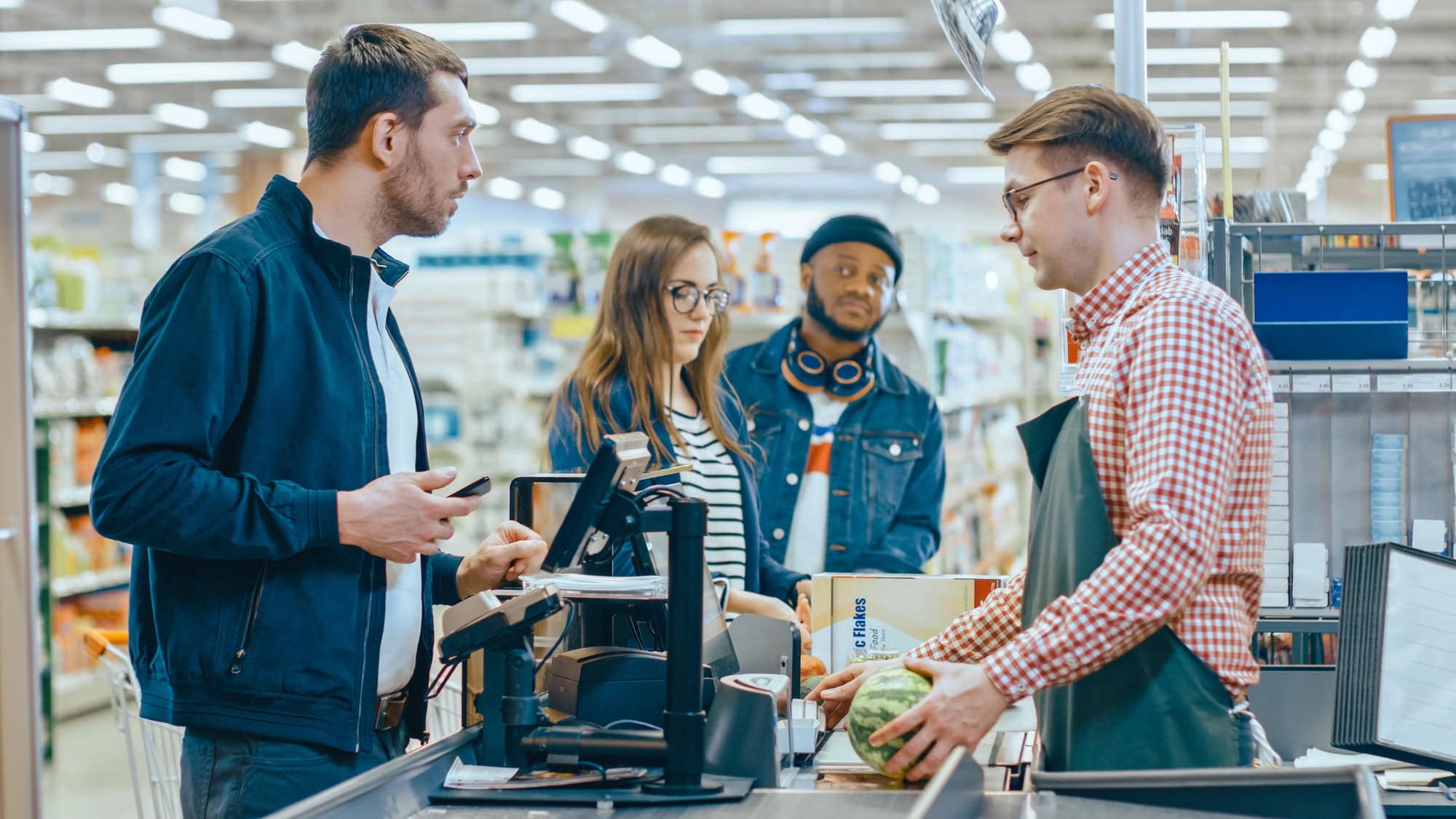
Checking out at a grocery store has always been a simple process, you load up your cart, pay for your items, and head out. Lately, some stores have started adding tip jars at registers, making customers rethink an errand that never involved tipping before.
Bagging groceries is part of the job, just like ringing up purchases. When digital screens suggest tipping for a cashier who simply scans items, it makes people wonder if tipping culture has gone too far.
Retail Stores
Some retail locations have introduced tipping for additional services, like gift wrapping or curbside pickup. Customers assume these conveniences are already part of the shopping experience, but now they’re being prompted to add gratuity.
Since store employees are hourly workers, tipping wasn’t something shoppers ever had to think about before. This change makes people question if basic customer service is being rebranded as an extra service that requires an extra fee.
Food Delivery Apps

Ordering takeout through an app means paying delivery fees, service fees, and sometimes even small order fees. Yet tipping is still pushed as a necessity, with apps defaulting to high tip amounts.
If all these fees are already in place, where does the money actually go? Customers end up feeling like they’re paying multiple charges for the same service, making food delivery more expensive than expected.
Without clear transparency on how drivers are paid, it’s hard to know if tipping is a bonus or a necessity.
Personal Services

Tattoo artists, nail technicians, and massage therapists often have their own pricing structures, yet tipping has become an unwritten rule in these industries. The services themselves aren’t cheap, and adding an extra percentage at the end makes them even pricier.
Many customers assume that if the rates are set by the professional, they should already account for fair pay. The line between tipping as appreciation and tipping as an expectation keeps getting blurrier.
Related: Stealth Wealth: The Key to Keeping Your Wealth and Your Freedom
Drive-Thru Windows

Fast-food drive-thrus were always about speed, order, pay, pick up, and go. But now, tipping requests have made their way into this quick exchange. Digital payment systems present suggested amounts, making drivers pause before completing their purchase.
There’s no table service, no personalized experience, just a transaction through a window. When tipping becomes expected at places designed for efficiency, it changes how people think about grabbing a meal on the go.
The Tipping Overload

Tipping used to be a way to reward great service, but now it feels like it’s everywhere. Simple transactions that never involved tipping before are turning into moments of pressure at the register.
Digital screens make saying no awkward, even when no extra service was provided. When businesses shift pay expectations onto customers, it raises the question, are we tipping out of appreciation or just because it’s expected?
Maybe it’s time to rethink where the line should be drawn.
🙋♂️If you like what you just read, subscribe to the DadisFIRE newsletter and follow DadisFIRE on YouTube. 💪 Also be sure to follow DadisFIRE on Medium💰