16 Frugal Habits That Actually Cost You More in the Long Run

Frugal habits can help you save money, but not all of them pay off. Some cost-cutting strategies backfire, leading to bigger expenses down the road.
So let’s talk about the frugal habits that hurt your finances instead of helping. These money-saving moves might seem smart, but they often cost you more.
Keep reading to see the frugal mistakes that actually cost you more in the long run.
Table of Contents
Why Buying in Bulk Isn’t Always Frugal

Buying in bulk sounds like a smart financial move, but it backfires fast if you’re not careful. The USDA reports the average American family of four throws out about $1,500 worth of uneaten food each year, often from overbuying and poor planning.
If you’re loading up on perishables just because they’re cheaper per unit, you’re probably wasting money, not saving it.
Related: 22 Purchases Frugal Millionaires Often Refuse to Buy
Cheap Purchases That Fall Apart Fast
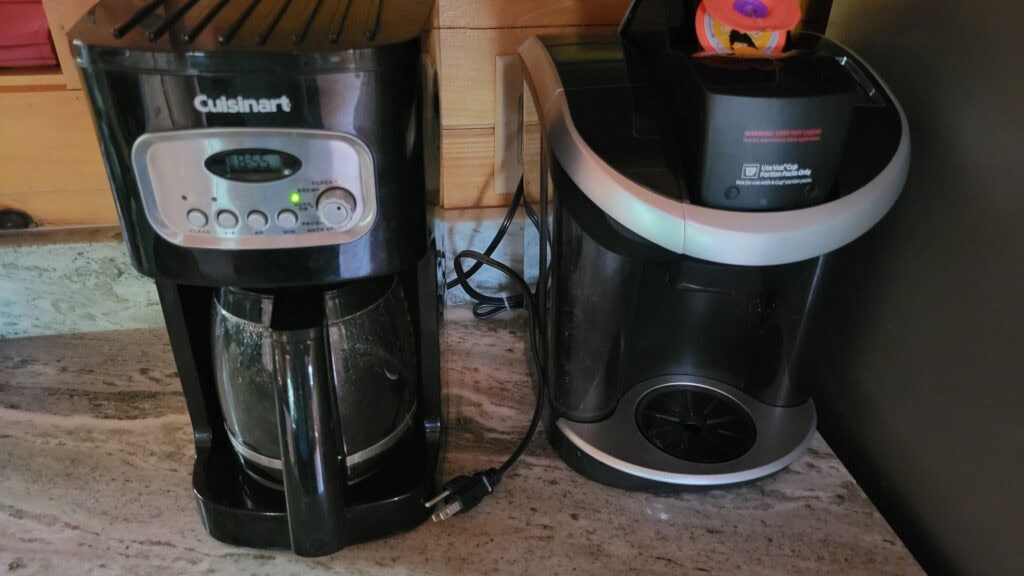
That budget coffee maker might look like a win, until it breaks two months later and you’re back at the store buying another one. Low-quality items might cost less upfront, but over time, replacements and repairs stack up.
In many cases, paying more once means paying less overall. Durability always wins the value game. Pay for quality and keep it longer.
Related: 15 Common Purchases That Often Lead to Regret
Frugal Mistake: Skipping Routine Maintenance

Postponing home or car maintenance feels like a money-saving win, until things break. The truth? Home upkeep costs around 1% to 4% of your home’s value each year, based on homeownership data.
Ignore that roof leak or brake check long enough, and you’re looking at massive repair bills or safety risks. Frugal doesn’t mean neglect. Protect your stuff or pay the price later.
Related: 15 Monthly Home Maintenance Tasks to Keep Your House Running Smooth
Driving for Deals Can Burn More Than Gas

Some people burn an hour and a half driving across town to save $0.30 per gallon on gas or chase grocery sales two zip codes away. By the time you factor in fuel, time, and wear-and-tear, the savings vanish.
It’s not just about the price tag, it’s about the total cost of the errand. If you’re spending more to “save,” you’re not being frugal. You’re just making it harder on yourself.
Related: Frugal Retirement Habits That May Be Costing Retirees More Than They Save
When DIY Projects Cost More Than Pros
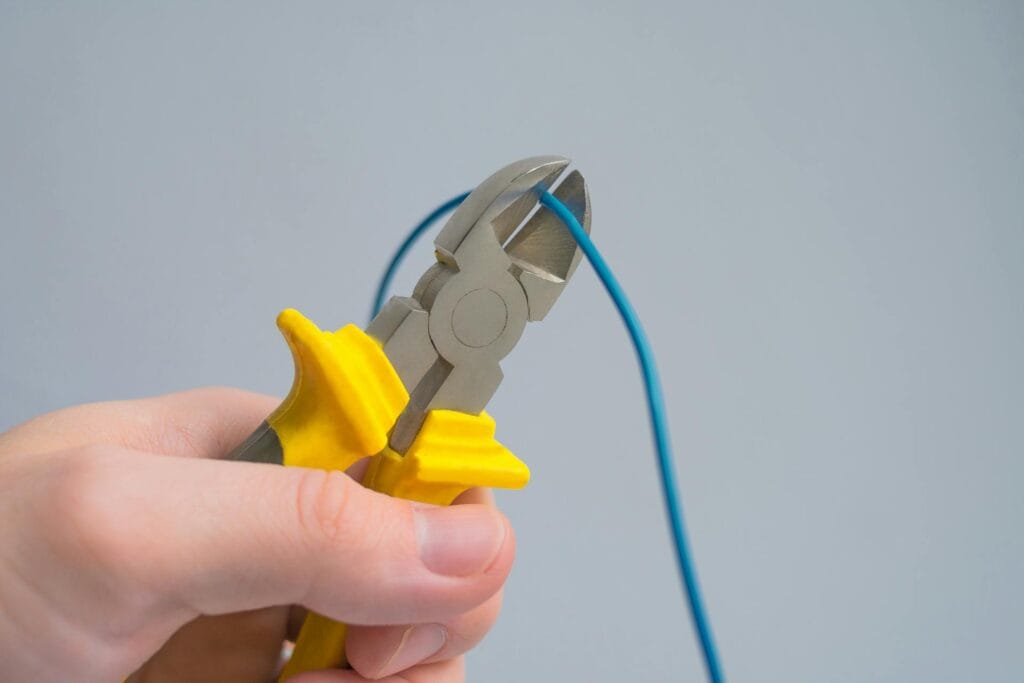
Trying to fix your own plumbing or rewire a room without real experience might look thrifty, but it often ends in disaster. One mistake can turn a $50 job into a $500 mess.
Pros cost more up front, but they save you money, time, and sanity in the long run. Be honest about your limits. Smart frugality knows when to hire help.
Related: 21 Small Changes That Help You Spend Less and Save More Money
Going Cheap on Insurance Is a Risky Move

Slashing your car, renters, or health insurance to the bare minimum can shave a few bucks off your monthly budget, but one accident, flood, or theft can wipe you out.
Underinsurance is one of the fastest ways to turn a small disaster into a financial crisis. Don’t skimp on protection just to feel frugal. Real security is worth the premium.
Related: Insurance Is Too Expensive: 20 Smart Ways You Can Easily Lower Premiums
Investing Cheap Can Cost You Big

Chasing the lowest-fee funds or trying to DIY an investment strategy without understanding the risks can backfire badly. Cheap funds with hidden fees or poor performance can bleed your returns over time.
Saving a few basis points isn’t worth it if you’re missing out on strong, consistent gains, or exposing yourself to more risk than you realize. Smart investing isn’t always the cheapest. It’s the most efficient, reliable, and goal-focused.
Related: Investments Warren Buffett Avoids and Why They Still Matter
Clearance Deals You’ll Regret Buying

Grabbing a clearance item just because it’s 80% off feels like a steal, until it sits untouched for months. Buying something you don’t need, don’t use, or don’t even like just wastes money and space.
That $12 sweater still costs $12 if you never wear it. Frugal spending means intentional spending, not hoarding markdowns like trophies.
🙋♂️If you like what you are reading so far, subscribe to the DadisFIRE newsletter and follow DadisFIRE on YouTube.💪
Frugal Fail: Not Saving for Retirement

Some people think keeping money in cash is safer than investing. Others assume they’ll “figure it out later.” Bad plan. According to Gallup News, 40% of Americans don’t have any retirement savings at all, which is a financial time bomb in the making.
Avoiding retirement contributions might feel smart in the short term, but it’s one of the most expensive decisions you can make long-term. Even small, consistent investing beats sitting on your hands. Start early and let time do the heavy lifting.
Related: 16 Retirement Myths Many People Still Believe
Cutting Health Costs Can Get Expensive

Skipping dentist visits or ignoring that minor medical issue might save money now, but untreated problems only get worse. Small cavities become root canals. Minor symptoms turn into major bills.
Preventive care almost always costs less than reactive care. Your health is not where you want to save pennies.
Related: 19 Proven Ways to Cut Healthcare Costs Without Sacrificing Care
Frugal Housing Moves That Go Too Far

Downsizing to save on rent or moving to a cheaper area might work on paper, but it can backfire in real life. Long commutes, unsafe neighborhoods, or a lack of services and amenities come with hidden costs, lost time, stress, and higher long-term spending.
The cheapest housing isn’t always the best value, especially if it chips away at your quality of life.
Related: 12 Signs Housing Is Still Affordable in Today’s Market
Doing Everything Yourself Isn’t Always Smart

There’s frugal and then there’s trying to be a one-person army. Mowing your own lawn, filing your own taxes, fixing your own appliances, some of that’s smart. But if it eats your weekends, causes mistakes, or costs you opportunities to earn more elsewhere, it’s a net loss.
Frugality shouldn’t cost you time, energy, and sanity. Sometimes outsourcing is the more efficient choice.
Related: Give Yourself A Gift In Tax Season Instead of Uncle Sam: 18 Top Tax Tips
Avoiding Tech Tools That Actually Save Money

Some people skip budgeting apps, smart thermostats, or automation tools because they “don’t want to pay for convenience.” But skipping tech that helps you stay organized, cut energy bills, or avoid late fees can be more expensive in the long run.
A $5–10/month app that keeps your finances on track is often worth 10x that in avoided mistakes.
Related: How AI Can Help Budget, Plan, and Improve Finances
Spending Time Instead of Money Can Backfire

Coupon clipping, bargain-hunting, and loyalty card games can eat up hours. If your time is worth even $20/hour, you might be spending more chasing $1 savings than you’re actually getting back.
Worse, it can lead to burnout, and poor decisions made under stress. Know your time’s value. Smart frugal habits save time, not just money.
We also made this related Video: 20 Things Frugal Millionaires Refuse To Buy (Despite Having Money)
Cheap Clothing That Costs You More

Fast fashion and ultra-discount stores offer clothes that look like a deal, but they wear out, fall apart, or shrink in the wash. Replacing cheap clothes every few months adds up fast.
A $10 shirt bought five times a year is $50, and still worse quality than one good $40 shirt that lasts for years. Fewer, better pieces always beat endless piles of disposable clothing.
Related: If You Always Want More, You Will Never Be Happy
Frugal Buys With No Warranty or Support

Grabbing the no-name brand appliance or budget electronics might save a few bucks, until it fails and you realize there’s no warranty, no repair service, and no refund. Then you’re stuck buying again.
Spending $30 on something you replace every year is more expensive than buying one $80 product that lasts five.
Related: 17 Money Lessons From America’s Wealthiest Entrepreneurs
Smart Frugal Habits That Actually Save You More

Frugality isn’t about spending the least, it’s about spending wisely. The real cost of “cheap” shows up in wasted time, broken stuff, and long-term regret.
Being smart with money means knowing when to cut and when to invest. Buy for value, not just price tags.
And remember: good financial decisions compound just like your savings should.
🙋♂️If you like what you just read, subscribe to the DadisFIRE newsletter and follow DadisFIRE on YouTube. 💪 Also be sure to follow DadisFIRE on Medium💰